Gastroenterology and GIM HST Interview Question Bank – Medibuddy Ireland
Gastroenterology and GIM HST • 2027 Interview

The 2027 Gastroenterology and GIM HST Interview Revision Platform: Question Bank, Live Practice and Mocks with Other Candidates

The Medibuddy Gastroenterology and GIM HST Question Bank includes 58 scenarios and over 190 model-answered questions that closely mirror the real interview, each written and edited by high-scoring candidates who sat the Gastroenterology and GIM HST interview in 2026.

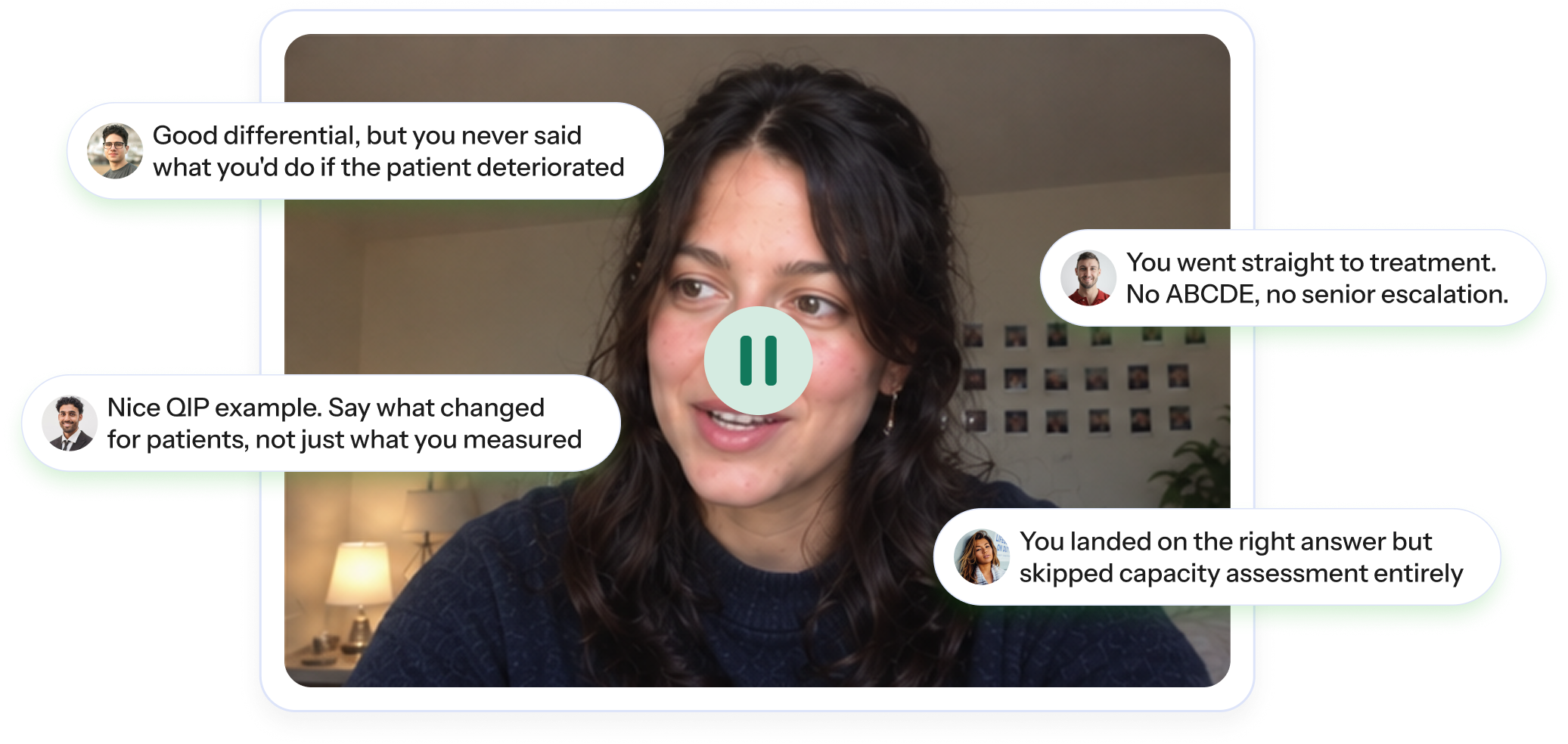
However, knowing a strong answer isn't the same as delivering it well under pressure, which is why we provide:

10 years' experience preparing doctors for interviews

Users of the Medibuddy Gastroenterology and GIM HST Revision Platform have secured some of the most competitive training posts in recent rounds. Ask around, there's a good chance the trainees in the year above you used us too.

Always up to date

Did you know the interviews change every year? That's why we review and update every Question Bank on the platform twice a year, so you know you're always practising with scenarios based on the latest interview structure.

Network and practise real interview scenarios with other candidates

Question Bank

See every scenario, and how to answer it well

58 scenarios across all six scored categories, which tell you exactly how to respond to each question.
Study Groups

Connect with candidates across the country
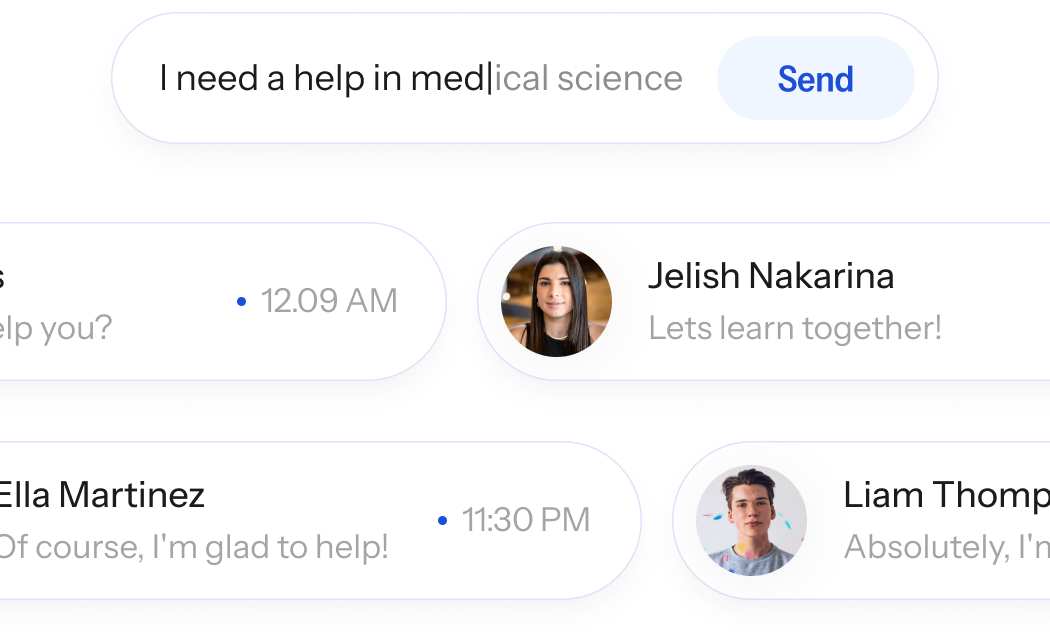
Most people only ever practise with one or two friends. Study Groups connect you with candidates right across the country sitting the same Gastroenterology and GIM HST interview.
Live MocksBeta

Practise interview technique with different candidates
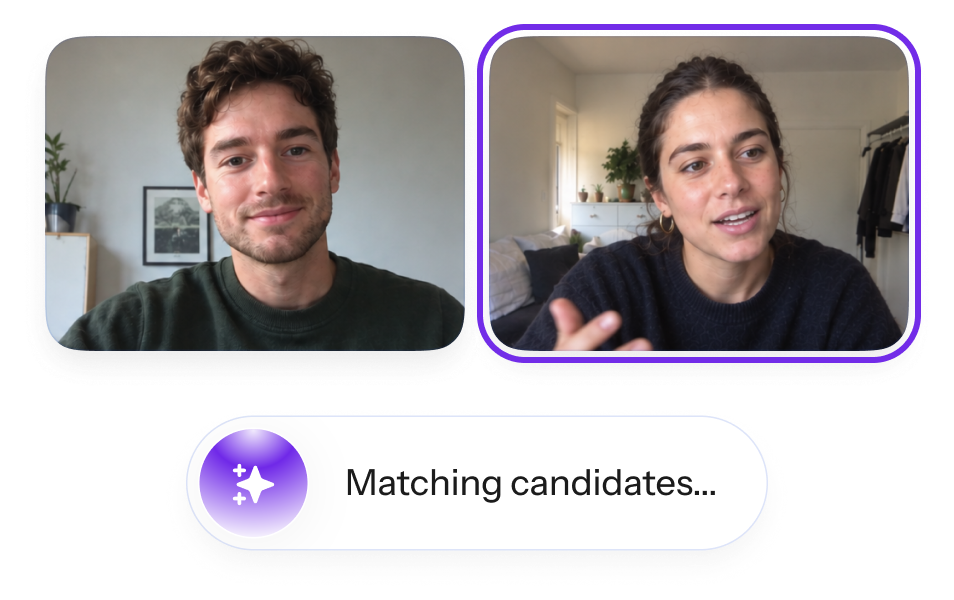
Arrange or get matched on demand with other candidates and run real scenarios out loud under interview conditions. Those who practise with the widest range of people tend to score the highest.
Peer FeedbackBeta

Reviewed by candidates across the platform
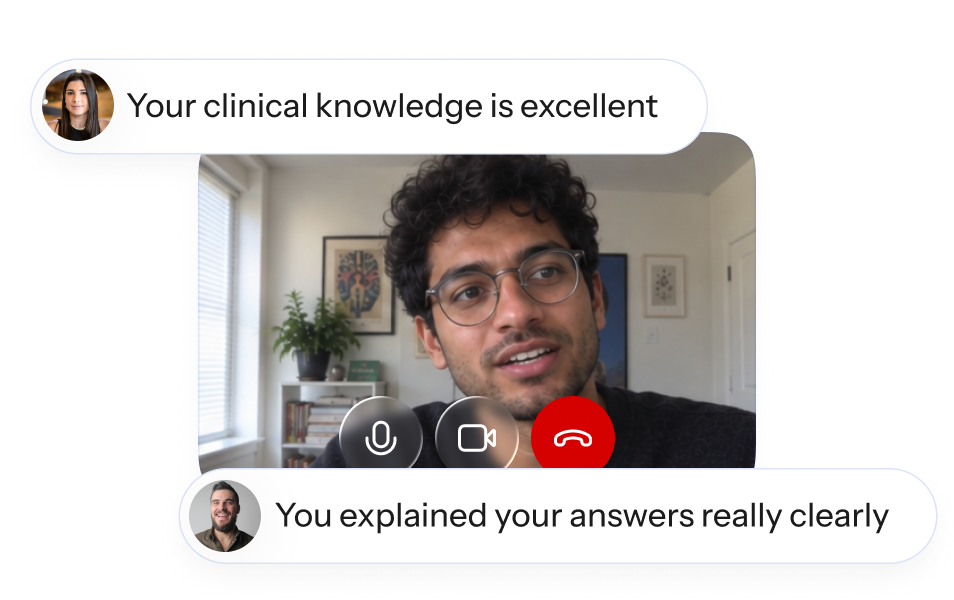
Submit your recorded mocks to candidates across the platform and get honest, varied feedback. Reviewing other people's mocks teaches you just as much.

The question bank, and other candidates to practise with, all in one platform.

Gastroenterology and GIM HST Revision Platform • €170

Gain access to 58 scenarios across all six scored categories, and collaborate with other candidates through Study Groups, Live Mocks and Peer Feedback.
Get instant access
What candidates say

Scored well, secured their post

A few of the candidates who prepared with us for the Gastroenterology and GIM HST interview.

Verified candidateInterviewed 2026
"Being ready across the CV, research and management questions as well as the clinical GIM scenarios meant nothing caught me off guard on the day."
Secured HST post
Verified candidateInterviewed 2026
"Practising the suitability and teaching questions out loud with other candidates was the single most useful thing I did before the day."
Ranked highly
Part 1 • See the questions

The Medibuddy 2027 Gastroenterology and GIM HST Question Bank

This is a dual Gastroenterology and GIM selection scored across six categories, and each part is tightly timed, so you have a limited window to deliver the high-scoring answers you need to do well. That means every point has to land, and knowing how to structure each answer is essential. That's why each of our 58 scenarios comes with a model answer, written by candidates who scored highly in the 2026 Gastroenterology and GIM HST interview, so you know exactly how to approach every question the panel puts to you.
What's inside

What's included in the Gastroenterology and GIM HST Question Bank

There's nothing worse than getting to the interview and being handed a question you've never prepared for. The panel scores six categories, spanning your portfolio and your clinical GIM judgement, so the safest approach is to revise across all of them. We provide scenarios for every category, including the common themes and the more unusual ones that have come up before, so you don't get caught out.

CV

Questions on your training, achievements and career narrative, with model answers that show how to present your CV clearly and link it to what the panel is looking for.

Research & Audit

Research, audit and quality-improvement questions, with worked answers that show how to evidence your academic contribution and its impact.

Teaching

Your teaching experience, roles and philosophy, with model answers that show how to demonstrate real educational impact.

Management Skills

Leadership, management and service-improvement scenarios, with structured answers so you can show sound judgement under pressure.

General Internal Medicine

Acute GIM scenarios where you play the registrar: assess, resuscitate and manage safely, each with a worked answer.

Overall Suitability to GI

Your motivation for gastroenterology and why you're suited to the specialty, with example questions and model answers.
Built around the six scored categories
Every scenario is anchored to Irish practice, guidelines and law, with model answers structured against the RCPI selection criteria.
Try it

Try an example Gastroenterology and GIM HST question

You are the gastroenterology and general internal medicine SpR on call at a model 4 hospital. You are bleeped to the Emergency Department resuscitation bay where a 54-year-old man has been brought in by ambulance with a witnessed haematemesis. He has a history of alcohol excess. On arrival: GCS 14, HR 118 bpm, BP 84/52 mmHg, RR 22, SpO2 94% on air. He is pale and diaphoretic, and the triage nurse tells you he vomited around 600 ml of bright red blood in the ambulance.

Walk me through your immediate assessment and resuscitation.

Question
Walk me through your immediate assessment and resuscitation of this patient.
Example answer
This is a haemodynamically unstable upper GI bleed, so resuscitation takes priority over diagnosis. I would work through ABCDE.
  • Airway: assess patency (high aspiration risk with active haematemesis), sit him semi-recumbent with suction to hand, and alert anaesthetics early if the airway is threatened or GCS falls.
  • Breathing: high-flow oxygen via a non-rebreather targeting SpO2 over 94%, and listen for aspiration.
  • Circulation: two large-bore cannulae; urgent FBC, U and E, LFTs, coagulation, group and crossmatch six units, lactate and glucose; activate the major haemorrhage protocol if instability persists; cautious crystalloid to a systolic over 90, avoiding over-transfusion which worsens portal pressure; transfuse red cells to a restrictive haemoglobin target of 70 g/L; and correct coagulopathy with vitamin K, FFP and platelets, as synthetic function is likely impaired.
  • Disability and exposure: serial GCS, a urinary catheter for hourly balance, and a 12-lead ECG.
  • Escalation: contact the on-call consultant and endoscopist immediately, as he will need an urgent OGD.
Question
You suspect variceal bleeding. What pharmacological treatments should be started, and why?
Example answer
Given the alcohol history I would suspect variceal bleeding, where early drug treatment improves outcomes.
  • Vasoactive therapy: start IV terlipressin as soon as variceal bleeding is suspected to reduce splanchnic flow and portal pressure, after checking contraindications such as ischaemic heart disease and peripheral vascular disease, continued for up to five days; somatostatin or octreotide are alternatives.
  • Antibiotic prophylaxis: IV ceftriaxone immediately, as infection is common in cirrhosis with variceal bleeding and prophylaxis reduces mortality and re-bleeding, per EASL and BSG guidance.
  • PPI: not primary therapy for varices, but reasonable until a peptic cause is excluded at endoscopy.
  • Lactulose: consider early to reduce encephalopathy from the nitrogen load of blood in the gut.
Question
How do you determine the timing and urgency of endoscopy, and who do you involve?
Example answer
Timing of the OGD balances stabilisation against ongoing bleeding.
  • In suspected variceal bleeding, OGD should be within 12 hours of presentation after adequate resuscitation; this patient must first be stabilised to a systolic over 90 and heart rate under 100.
  • If he cannot be stabilised or bleeding is torrential, earlier emergency endoscopy may be needed, which is a consultant decision; do not delay resuscitation to scope prematurely.
  • IV erythromycin 30 to 90 minutes beforehand improves gastric views, and coagulopathy should be partly corrected first.
  • Who to involve: the on-call consultant (the decision to scope is theirs), anaesthetics for airway cover, HDU or ICU for post-procedure monitoring, and the endoscopy nursing team. At my stage I would prepare and escalate, not perform therapeutic variceal endoscopy without direct consultant supervision.
Question
OGD confirms oesophageal varices, banded, but he re-bleeds in HDU two hours later. How do you manage this?
Example answer
Re-bleeding after band ligation is a life-threatening emergency needing immediate escalation and rescue options.
  • Attend at once, repeat ABCDE, confirm IV access and an active crossmatch, re-activate the major haemorrhage protocol, and ensure terlipressin and antibiotics are continuing.
  • Contact the consultant immediately: this needs senior decision-making now.
  • Rescue endoscopy: a second OGD for further banding or sclerotherapy, which I would prepare for but not perform independently.
  • Balloon tamponade: a Sengstaken-Blakemore tube as a temporising bridge if endoscopy fails or is unavailable, under senior supervision.
  • TIPS: consider early for endoscopy failure, via transfer to a centre with interventional radiology and hepatology.
  • Escalate to full ICU care, as multi-organ dysfunction is a real risk in decompensated cirrhosis.
Question
Once he is stabilised, what secondary prevention and follow-up are required before discharge?
Example answer
Secondary prevention matters because the re-bleeding risk is high without treatment.
  • Non-selective beta-blocker: start once haemostasis is confirmed and he is stable; carvedilol is preferred in current EASL guidance, titrated to a resting heart rate of 55 to 60.
  • Repeat band ligation: a programme of banding every two to four weeks until the varices are eradicated, through outpatient endoscopy.
  • Underlying cause: alcohol cessation with alcohol liaison and addiction services, assessment for alcohol-related hepatitis or cirrhosis, and HCC surveillance with six-monthly ultrasound and AFP if cirrhosis is confirmed.
  • Follow-up: urgent hepatology review within two to four weeks, dietitian input, and consideration of the national liver transplant programme after a period of abstinence if criteria are met.
Question
His family approaches you in the corridor, distressed, asking what happened. How do you handle this?
Example answer
This needs honesty and compassion, and follows the principles of open disclosure in Irish law and guidance.
  • Move to a private space rather than the corridor, introduce myself and role, confirm who is present, and check the patient's capacity and consent to share information under the HSE National Consent Policy and the Assisted Decision-Making (Capacity) Act 2015.
  • Open disclosure: if there has been an unexpected complication, this is an ethical duty under the Medical Council guidance and a legal one under the Patient Safety (Notifiable Incidents and Open Disclosure) Act 2023. Explain in plain language what happened: the bleed, the emergency response, the endoscopy and the re-bleed.
  • Show genuine empathy, avoid speculating about errors before a formal review, give a named point of contact, and arrange for the consultant to speak with them.
  • Inform the consultant that the family wants a senior conversation, and document everything contemporaneously.

That's one scenario. There are 57 more.

Gastroenterology and GIM HST Revision Platform • €170

Includes every scenario in the Question Bank, and access to Study Groups, Live Mocks with other candidates and Peer Feedback.
Get instant access
Actively maintained

How we keep our Question Banks up to date

The Gastroenterology and GIM HST interview changes from year to year, and the biggest fear for any candidate is getting to interview day and realising you've revised with a question bank that's totally outdated.

That's why we review and update every Question Bank twice a year, so you know you're revising with scenarios that are likely to come up. We do this in April after the previous year's interviews, and again in the autumn when the new recruitment guidance is published.

For 2027, this process kept the Question Bank aligned with the current six-category format, across CV, research and audit, teaching, management, GIM and suitability, so you always practise with the format the panel is using now.
Updated for 2027 Interviews
Part 2 • Practise them live

The only interview resource where you can practise live with other candidates from across the country

Our Gastroenterology and GIM HST Question Bank tells you exactly how to answer real interview scenarios. But how you practise with them will determine how many marks you score. Simply reading answers off a screen won't prepare you for the intense scrutiny you'll face in the interview, and only practising with the same few colleagues limits the feedback you'll get. Medibuddy gives you unique access to Gastroenterology and GIM HST candidates across the country, so you can learn from a variety of perspectives and hear a far wider range of feedback than your own circle could ever give you.
Study Groups
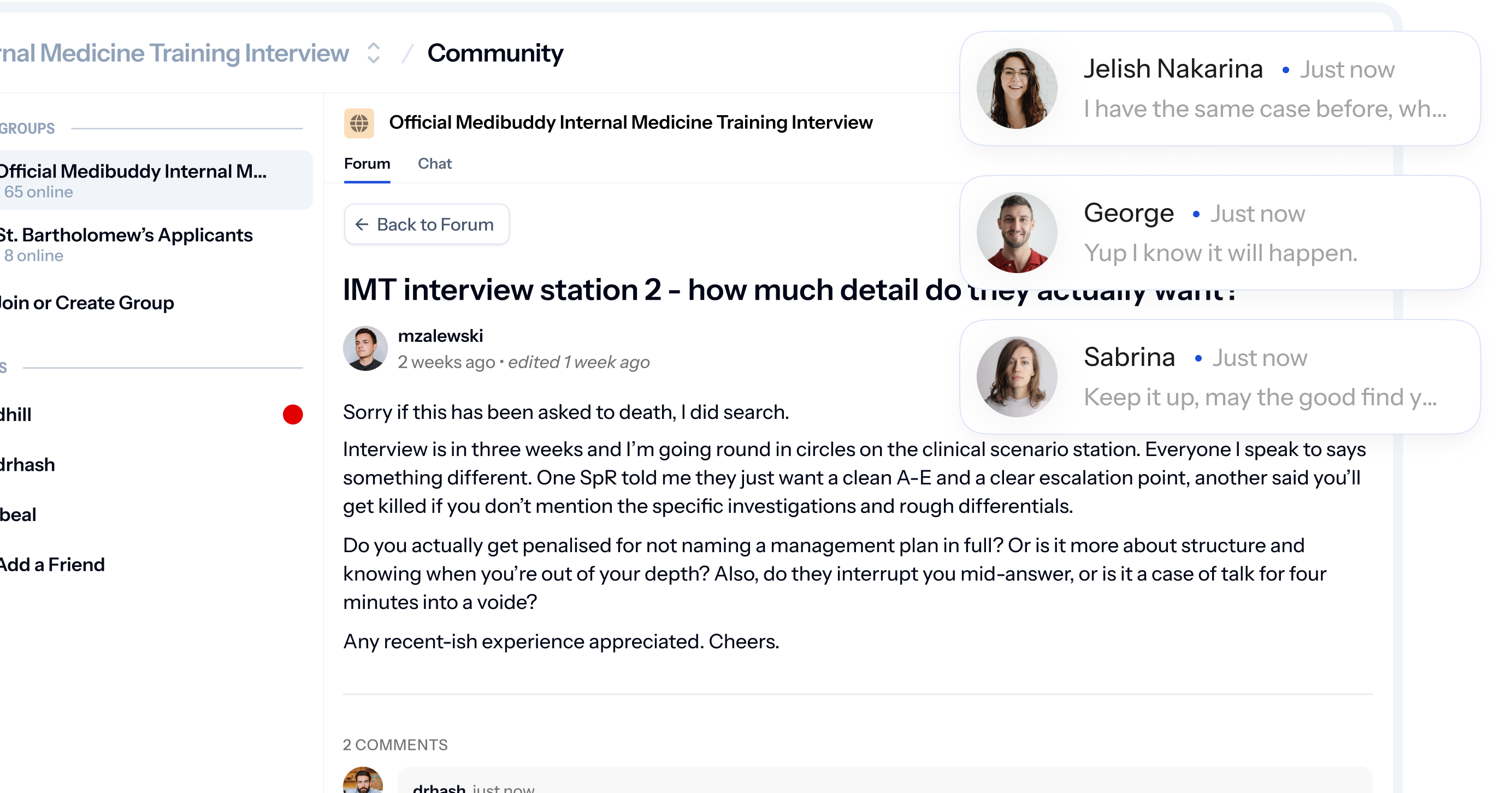
When you prepare in isolation, you're relying on your own interpretation of the interview process, which is one of the quickest ways to get found out on the day. Study Groups connect you with other doctors across the country who are also applying to Gastroenterology and GIM HST, so you can engage and network with people preparing for the same interview as you. Everyone brings different experience from different units, meaning you won't miss out on the key bits of information that could swing the interview in your favour.
Live MocksBeta
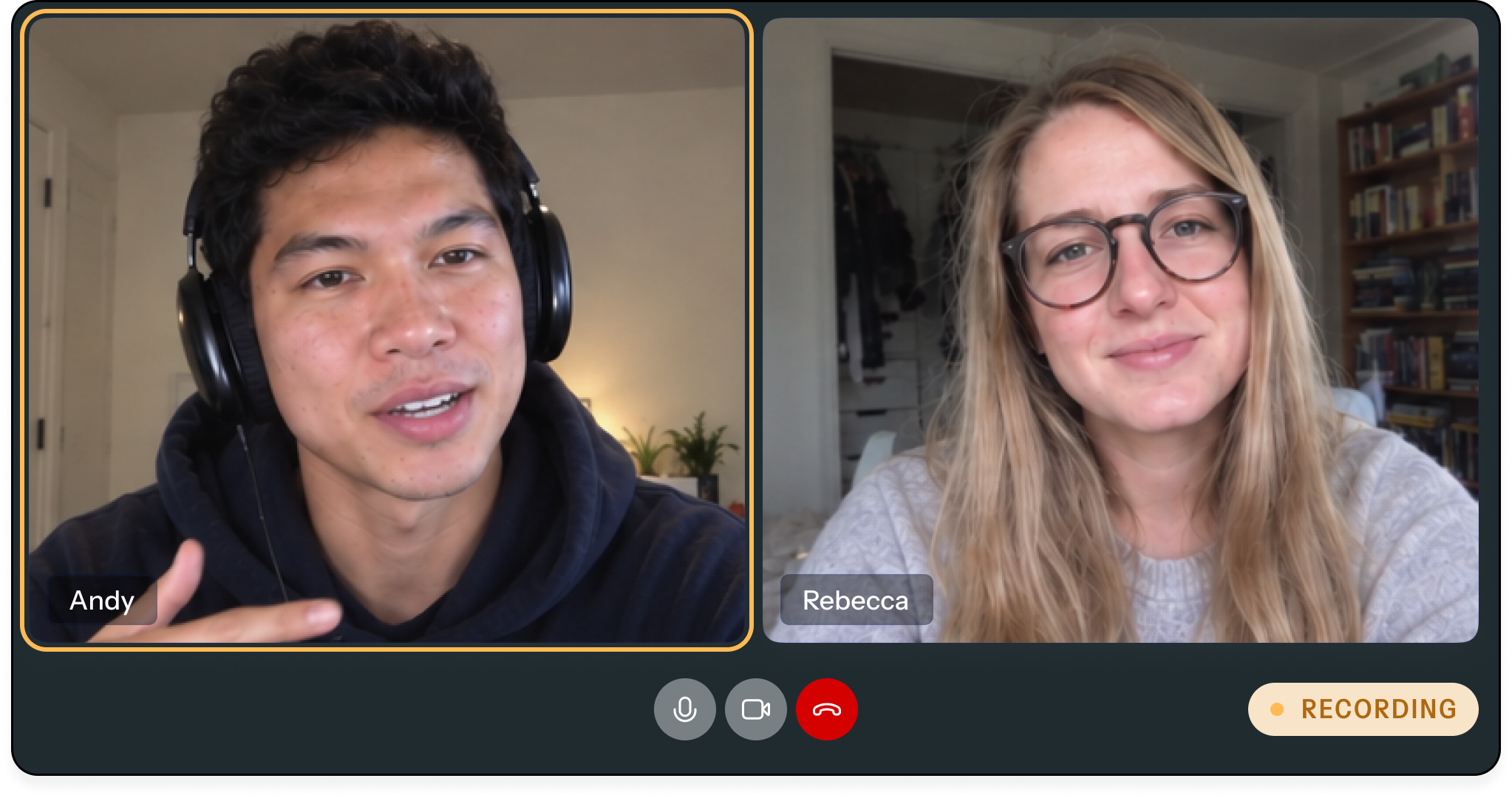
Candidates who don't take part in mocks often struggle to adapt to the pressure of the interview. Your knowledge might be correct, but without convincing delivery the interviewers will score you poorly. The best way to improve your delivery is to take part in as many live mocks as possible, which is why we haven't put a cap on how many you can do. All you have to do is join the waiting room and we'll match you with a different Gastroenterology and GIM HST candidate each time. Take turns as both the interviewer and candidate on real Question Bank scenarios, so you can see exactly how other candidates perform in real time while refining your own technique.
Peer FeedbackBeta
Preparing alone means you won't know how you're coming across during the interview, and preparing with the same few candidates means you'll miss opportunities to improve, which is why it's so important to get as many opinions as possible on your performance. With Medibuddy, you can record a mock and submit it for feedback from other candidates on the platform, so you receive a wider range of feedback and refine your answers with each person you practise with. Reviewing other people's mocks is just as valuable, as it shows you how strong candidates handle the same scenarios.
The interview

What to expect from the Gastroenterology and GIM HST interview

Higher Specialist Training in Gastroenterology and GIM is a dual programme run by the Royal College of Physicians of Ireland, and strong applicants are often separated by narrow margins at interview.

The interview is scored across six categories: your CV, research and audit, teaching, management skills, general internal medicine, and your overall suitability to gastroenterology.

Category

CV

Your training, achievements and career narrative, and how you present them clearly and link them to what the panel is looking for.
Category

Research and Audit

Your research, audit and quality-improvement work, and how you evidence your academic contribution and its impact.
Category

Teaching

Your teaching experience, roles and philosophy, and how you demonstrate real educational impact.
Category

Management Skills

Leadership, management and service improvement, and how you show sound judgement under pressure.
Category

General Internal Medicine

Acute GIM judgement, where you assess, resuscitate and manage safely as the registrar.
Category

Overall Suitability to GI

Your motivation for gastroenterology and why you're suited to the specialty, shown through your experience.

How the interview is scored

Each category is marked against the Royal College of Physicians of Ireland Gastroenterology and GIM HST selection criteria. Our model answers are structured against those criteria, so you know exactly what a strong, well-organised answer looks like in each category.
Get ready

How to prepare for the Gastroenterology and GIM HST interview

Start with the Question Bank

Work through 58 scenarios across all six categories, each with a worked answer from a candidate who scored well in the 2026 interview. Start by reading how a strong answer is formed, then think about how you'd deliver it.

Talk the hard ones through in Study Groups

Study Groups are your biggest opportunity to network and connect with other candidates sitting the same interview as you. Everyone on the platform is in the same boat, so don't be scared to get involved and ask questions. Someone in your study group might just help you work through a scenario you've been struggling with.

Rehearse out loud in Live Mocks

Live mocks are where you begin to put everything you've learned into practice, and we know from experience that those who practise with a wide range of candidates usually do the best. Organise mocks with people from one of your study groups, or get matched with a random Gastroenterology and GIM HST candidate, then take turns as interviewer and candidate using real scenarios until answering out loud under pressure feels normal.

Get reviewed with Peer Feedback before the day

Once you've recorded a mock, you can have other community members review it. This lets you see how you come across to other people, and gives you time to refine your delivery as you revise, rather than being caught out on the day. Reviewing other people's mocks is just as crucial, as you see how other candidates navigate the same scenarios.
Questions

Frequently asked questions

What does the Gastroenterology and GIM HST interview involve?
It is a dual programme run by the Royal College of Physicians of Ireland, scored across six categories: CV, Research and Audit, Teaching, Management Skills, General Internal Medicine, and Overall Suitability to Gastroenterology.
How competitive is the Gastroenterology and GIM HST interview?
Gastroenterology and GIM is a competitive dual HST pathway, and strong candidates are frequently separated by small margins at interview, which is why a structured, well-rehearsed approach matters.
Who writes the model answers?
High-scoring candidates who sat the Gastroenterology and GIM HST interview in 2026, so the answers reflect what came up and what scored this year.
Can I practise with other candidates?
Yes. Every Revision Platform purchase gives you the opportunity to connect with other candidates through Study Groups, Live Mocks and Peer Feedback.
How do the Live Mocks work?
All you have to do is join the waiting room, and we match you with another Gastroenterology and GIM HST candidate. You then take turns as interviewer and candidate on real Question Bank scenarios, so you gain experience answering out loud to a real person before you ever sit in front of the panel.
What are Study Groups and how do they help?
Study Groups are community forums for doctors across the country preparing for the same Gastroenterology and GIM HST interview. You can ask questions, share what you're struggling with, and compare how you'd approach a scenario.
Can I get feedback on my interview performance?
Yes. After you've recorded a mock, you can ask other members to review it, so you can see which part of your answer needs fine-tuning.
How do you keep the Gastroenterology and GIM HST Question Bank up to date?
We review and update it twice a year: in April after that year's interviews, and again in the autumn when the new recruitment guidance is published, so you always practise with the current six-category format.
How long do I get access for?
Access runs for 12 months from the purchase date.

Start preparing for the Gastroenterology and GIM HST interview

The Revision Platform gives you 58 scenarios to practise and refine with other candidates through Study Groups, Live Mocks and Peer Feedback. Ten years preparing doctors for interviews, with the questions, this year's model answers and live practice, all in one place.

Gastroenterology and GIM HST Revision Platform • €170

Buy Now