Haematology HST • Ireland

The 2027 Haematology HST Interview Revision Platform: Question Bank, Live Practice and Mocks with Other Candidates

The Medibuddy Haematology HST Question Bank includes 70 scenarios and over 300 questions built around the real interview, across all six scored categories, each with a model answer written to the RCPI selection criteria and Irish practice.

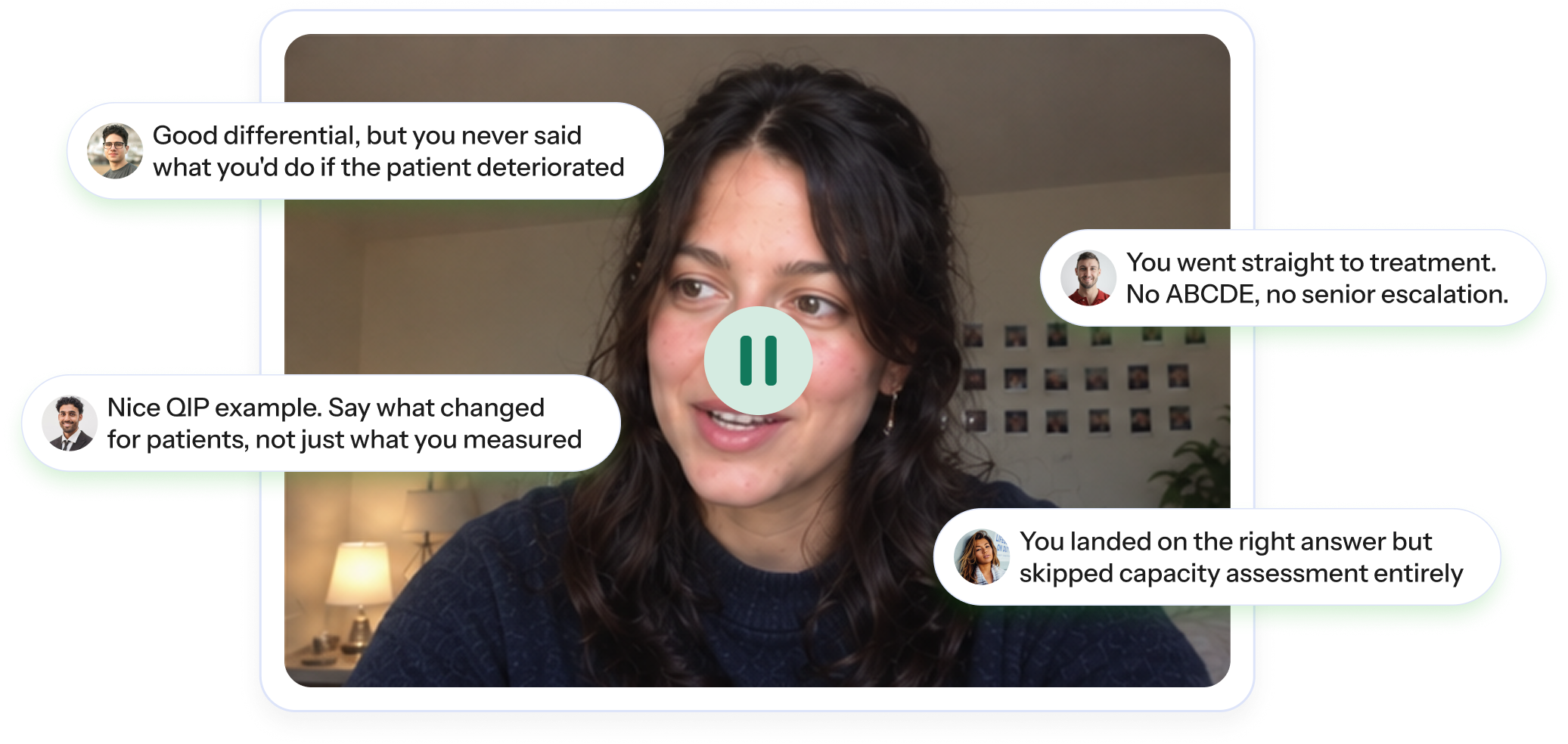
However, knowing a strong answer isn't the same as delivering it well under pressure, which is why we provide:

Preparing doctors for interviews for 10 years

Medibuddy has spent 10 years helping doctors prepare for competitive specialty interviews. The Haematology HST Question Bank brings that experience to the RCPI Higher Specialist Training interview in Haematology (Clinical and Laboratory).

Built for the current interview

Did you know the interviews change from year to year? RCPI publishes the 2027 Haematology interview criteria: six categories worth 10 marks each, including two clinical questions and haematology service development. This bank is new for the 2027 interviews and built around those published criteria.

Network and practise real interview scenarios with other candidates

Question Bank

See every scenario, and how to answer it well

70 scenarios across all six scored categories, each with a model answer that tells you exactly how to respond to every question.
Study Groups

Connect with candidates across the country
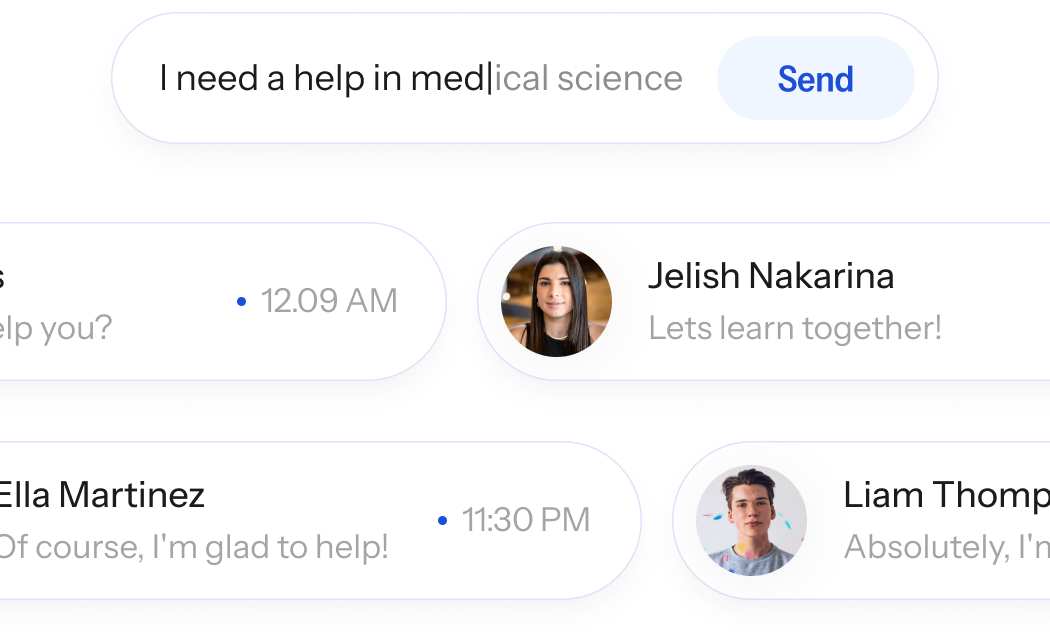
Most people only ever practise with one or two friends. Study Groups connect you with candidates right across the country sitting the same Haematology HST interview.
Live MocksBeta

Practise interview technique with different candidates

Arrange or get matched on demand with other candidates and run real scenarios out loud under interview conditions. Those who practise with the widest range of people tend to score the highest.
Peer FeedbackBeta

Reviewed by candidates across the platform

Submit your recorded mocks to candidates across the platform and get honest, varied feedback. Reviewing other people's mocks teaches you just as much.

The question bank, and other candidates to practise with, all in one platform.

Haematology HST Revision Platform • €170

Gain access to 70 scenarios and over 300 model-answered questions across all six scored categories, and collaborate with other candidates through Study Groups, Live Mocks and Peer Feedback.
Get instant access
Part 1 • See the questions

The Medibuddy Haematology HST Question Bank

The interview is marked across six published categories, each worth the same 10 marks, so every point has to land, and knowing how to structure each answer is essential. That's why each of our 70 scenarios comes with a model answer, written to the RCPI selection criteria and Irish practice, so you know exactly how to approach every question the panel throws your way.
What's inside

What's included in the Haematology HST Question Bank

There's nothing worse than getting to the interview and being handed a question you've never seen before. The panel scores you across six categories, from your CV and career plan to two clinical questions and service development, so the safest approach is to revise across all of them. We provide scenarios for every category, covering clinical and laboratory haematology, so you don't get caught out.

CV and interest in Haematology

10 scenarios and 30 questions. Why haematology, what has influenced you and the steps you have taken, built around the questions on the RCPI Structured CV, with model answers that show you understand haematology as a joint clinical and laboratory specialty within the Faculty of Pathology.

Research and Audit

10 scenarios and 30 questions. Your own audit, quality improvement and research, with Irish anchors such as transfusion practice and haemovigilance, VTE risk assessment under Eve's Protocol, laboratory quality and ISO 15189 accreditation, and haematology trials networks.

Career plan and understanding of the scheme

10 scenarios and 30 questions. Your short and long-term goals and the consultant role in the HSE, alongside the training scheme itself: five years, FRCPath, the IBTS transfusion post, required experience in stem cell transplant, coagulation and paediatric haematology, and the ePortfolio.

Clinical Question 1

13 scenarios and 88 questions. Malignant and acute haematology as the on-call Specialist Registrar: neutropenic sepsis, tumour lysis, DIC, hyperviscosity, acute leukaemia including APL, lymphoma, myeloma, MPNs, marrow failure, and transplant and CAR-T complications, with blood film and laboratory interpretation folded into the cases.

Clinical Question 2

15 scenarios and 90 questions. Haemostasis, thrombosis, transfusion and red cell haematology: bleeding disorders, anticoagulant reversal, HIT, TTP, ITP, cancer-associated thrombosis, obstetric haematology, transfusion reactions and the transfusion laboratory, sickle cell crisis and haemolysis.

Haematology Service Development

12 scenarios and 42 questions. Running and improving the service: day care, outpatient and inpatient services, laboratory management and accreditation, transfusion and haemovigilance, CAR-T and transplant capacity, the adult haemoglobinopathy service, VTE prevention, and patient safety and open disclosure as governance of the service.
Reflecting how Haematology HST is really assessed
Our scenarios and model answers are written to the current RCPI interview structure, across all six scored categories.
Try it

Try an example Haematology HST question

You are the first-year haematology Specialist Registrar on call. The Emergency Department phones about a 32-year-old woman with a three-week history of bruising and bleeding gums. Her FBC shows a haemoglobin of 78 g/L, white cell count 2.1 x10⁹/L and platelets 22 x10⁹/L. Her INR is 2.4, APTT 48 seconds and fibrinogen 0.9 g/L. She is haemodynamically stable but has scattered ecchymoses and oozing from a peripheral cannula site.

How would you approach this?

Question
The Emergency Department nurse asks whether the blood film can wait until morning. What is your immediate response, and what features on the film are you looking for?
Example answer
This presentation is APL until proven otherwise: a blood film is urgently needed now, not in the morning, because APL carries a risk of fatal haemorrhage that increases every hour treatment is delayed.
  • Film urgency: request an urgent blood film reviewed by yourself or the on-call consultant tonight; never defer to a routine morning run.
  • A hypogranular or agranular variant blast may be the predominant cell, and these are easily missed.
  • Film features of APL: hypergranular blasts stuffed with azurophilic granules, often reniform or bilobed nuclei.
  • Faggot cells: bundles of Auer rods in a single blast, pathognomonic of APL.
  • Hypogranular variant (M3v): bilobed 'butterfly' nuclei with sparse or very fine granules and few Auer rods, usually with a high white count; it can mimic monocytic leukaemia.
  • Thrombocytopenia, with a low or normal WBC in classical APL.
  • Immediate action: phone your consultant haematologist now; do not wait for the film result before escalating.
  • If the film supports APL, start ATRA tonight on suspicion, without waiting for genetic confirmation, and start coagulopathy support in parallel.
Question
The blood film shows hypergranular blasts with Faggot cells. What is the coagulopathy of APL and how do you interpret her clotting results?
Example answer
APL causes a complex, life-threatening coagulopathy driven by multiple simultaneous mechanisms.
  • Disseminated intravascular coagulation (DIC): tissue factor and cancer procoagulants released from granules trigger systemic thrombin generation, consuming clotting factors and fibrinogen and generating fibrin.
  • Hyperfibrinolysis: leukaemic blasts release annexin II, tissue plasminogen activator and urokinase, causing accelerated plasminogen activation and fibrin degradation; fibrinogen is consumed disproportionately.
  • Primary fibrinogenolysis contributes directly.
  • Platelet destruction from DIC and impaired production.
  • Interpreting her results: fibrinogen 0.9 g/L is critically low and is the most important single predictor of haemorrhagic death in APL; target is at least 1.5 g/L.
  • Prolonged INR (2.4) and APTT (48 seconds) reflect factor consumption.
  • Platelets 22 x10⁹/L: target in APL coagulopathy is at least 30-50 x10⁹/L, higher than standard DIC targets.
  • Raised D-dimer and low fibrinogen together confirm a hyperfibrinolytic DIC pattern.
Question
How do you correct her coagulopathy, and what are your specific transfusion targets?
Example answer
Correct the coagulopathy aggressively and in parallel with starting ATRA; do not wait for ATRA to work before transfusing.
  • Fibrinogen replacement: cryoprecipitate is the first-line fibrinogen source, so give two adult pools (or equivalent) immediately and repeat every 6-8 hours or more frequently if needed.
  • Target fibrinogen at least 1.5 g/L; check fibrinogen every 6-12 hours or after each dose.
  • Platelets: transfuse to maintain platelets at least 30-50 x10⁹/L; aim for 50 x10⁹/L while she is actively bleeding.
  • Daily platelet count, with transfusion available immediately.
  • Fresh frozen plasma: give FFP 12-15 mL/kg for prolonged INR and APTT, guided by repeat coagulation screens every 6-12 hours.
  • Red cells: transfuse to keep haemoglobin at least 80 g/L given active bleeding.
  • Tranexamic acid: avoid routine use in APL, as it may cause thrombosis by blocking fibrinolysis without addressing the underlying DIC.
  • Procedures: avoid central line insertion, lumbar puncture and other invasive procedures until the coagulopathy is controlled.
  • Monitoring: repeat FBC and full coagulation screen including fibrinogen every 6-12 hours until stable.
Question
When and how do you start all-trans retinoic acid (ATRA), and what is its mechanism in APL?
Example answer
Start ATRA immediately upon clinical and morphological suspicion of APL, before genetic confirmation; it is the single most important step and delays increase mortality.
  • Mechanism: APL is defined by the PML-RARA fusion gene, usually from the t(15;17)(q24;q21) translocation.
  • The PML-RARA oncoprotein blocks myeloid differentiation at the promyelocyte stage by aberrant transcriptional repression.
  • ATRA binds the RARA moiety and relieves repression, inducing terminal differentiation of leukaemic promyelocytes to mature granulocytes, and simultaneously causes degradation of the PML-RARA fusion protein.
  • ATRA reduces coagulopathy within 48-72 hours of starting by inducing blast differentiation and reducing release of procoagulant granule contents.
  • Dosing: ATRA 45 mg/m² daily in two divided oral doses, with food to improve absorption.
  • Calculate body surface area carefully; document the dose and start time clearly.
  • Timing: do not wait for FISH, RT-PCR or cytogenetics; clinical suspicion on morphology is sufficient to start.
  • Confirm the diagnosis later and continue if PML-RARA is confirmed; stop and reassess if the molecular result is negative.
  • Escalate: inform your consultant, but do not let the call delay the first dose.
Question
You start ATRA. What other investigations do you request urgently, and why does the molecular result matter beyond confirming the diagnosis?
Example answer
Investigations serve three purposes: confirming the APL subtype, staging organ reserve for treatment and monitoring response.
  • Molecular and cytogenetic: urgent FISH for PML-RARA on peripheral blood or bone marrow, available within 24-48 hours and confirms the diagnosis faster than conventional cytogenetics.
  • RT-PCR for PML-RARA: quantitative (RQ-PCR) at diagnosis establishes the baseline transcript level; the isoform (bcr1, bcr2 or bcr3) determines the assay used for MRD monitoring throughout treatment and follow-up.
  • Conventional karyotype of bone marrow to detect additional cytogenetic abnormalities.
  • FLT3-ITD by PCR (associated with hyperleucocytosis and the hypogranular variant).
  • Bone marrow aspirate for morphology, immunophenotyping (CD33 strong, CD34 negative, HLA-DR negative in typical APL) and material for all molecular studies.
  • Organ and risk assessment: FBC, coagulation, fibrinogen, LFTs, urea and electrolytes, urate and LDH (baseline and to detect differentiation syndrome or tumour lysis).
  • ECG: QTc before starting arsenic trioxide later.
  • Echocardiogram if there is any cardiac history or if anthracycline is anticipated.
  • Group and screen, with blood products available in the blood bank now.
  • Risk stratification: the Sanz score at diagnosis (WBC and platelets) determines treatment intensity, low/intermediate risk (WBC at most 10 x10⁹/L) versus high risk (WBC more than 10 x10⁹/L), which guides whether to add ATO or chemotherapy.
Question
On day 5 she develops worsening dyspnoea, peripheral oedema and her white cell count has risen to 18 x10⁹/L. What complication do you suspect and how do you manage it?
Example answer
This is differentiation syndrome (previously called ATRA or retinoic acid syndrome), a potentially fatal complication that requires immediate treatment without stopping ATRA unless it is severe.
  • Diagnosis: differentiation syndrome occurs when maturing promyelocytes cause endothelial damage, cytokine release and capillary leak.
  • Features: fever, dyspnoea, weight gain, peripheral oedema, pulmonary infiltrates on chest X-ray, pleural or pericardial effusions, hypotension and renal impairment; rising WBC is a risk factor.
  • At least two of these features in the context of ATRA therapy is the clinical diagnosis.
  • Immediate management: start dexamethasone 10 mg IV twice daily immediately and continue for at least 3 days or until resolution; this is the cornerstone of treatment.
  • Do not stop ATRA unless she develops severe respiratory failure or multi-organ dysfunction; interrupting ATRA risks coagulopathy rebound.
  • Give furosemide for fluid overload; restrict fluid intake.
  • Administer supplemental oxygen; escalate to ICU early if she deteriorates.
  • Continue close monitoring of fluid balance, chest X-ray and observations.
  • Escalate: inform your consultant immediately; an ICU review is warranted given the degree of respiratory compromise.
  • If the WBC continues to rise above 10 x10⁹/L, your consultant may add hydroxyurea or low-dose cytarabine to control leucocyte proliferation.
Question
She recovers and the PML-RARA FISH and RT-PCR are confirmed positive. How do you plan her definitive treatment, and what is the role of arsenic trioxide?
Example answer
Standard frontline treatment for low/intermediate-risk APL is ATRA combined with arsenic trioxide (ATO), the ATRA-ATO regimen, which achieves high rates of molecular remission without anthracycline chemotherapy.
  • Induction (ATRA-ATO regimen, low/intermediate risk): ATRA 45 mg/m² daily plus ATO 0.15 mg/kg IV daily, continued until morphological complete remission (typically 5-8 weeks).
  • Consolidation: ATO for four courses and ATRA for seven courses (the APL0406 schedule).
  • No routine maintenance if molecular complete remission is confirmed.
  • Mechanism of ATO: arsenic trioxide causes proteasomal degradation of the PML-RARA oncoprotein, complementary to ATRA's mechanism; the combination is synergistic and prevents resistance.
  • High-risk disease: if WBC is more than 10 x10⁹/L at presentation, an anthracycline (idarubicin or daunorubicin) is typically added during induction.
  • MRD monitoring: quantitative RQ-PCR for PML-RARA after induction and after each consolidation cycle; undetectable transcript (molecular complete remission) is the goal.
  • A rising or persistently detectable MRD level after consolidation triggers reassessment and possible salvage with ATO or gemtuzumab ozogamicin.
  • This should be undertaken in the context of the NCCP designated cancer centre and discussed at the haematology MDT.

That's one scenario. There are 69 more.

Haematology HST Revision Platform • €170

Includes every scenario in the Question Bank, and access to Study Groups, Live Mocks with other candidates and Peer Feedback.
Get instant access
New for 2027

Built around the current interview structure

The Haematology HST interview changes from year to year, and the biggest fear for any candidate is getting to interview day and realising you've revised with a question bank that doesn't match the format.

That's why this Question Bank is new for the 2027 interviews, built from the start around the current published RCPI interview structure and anchored to Irish practice, guidelines and law.

Our scenarios and model answers are aligned with the current interview structure, across all six scored categories, so you practise with the format the panel is using now.
New for 2027 interviews
Part 2 • Practise them live

The only interview resource where you can practise live with other candidates from across the country

Our Haematology HST Question Bank tells you exactly how to answer real interview scenarios. But how you practise with them will determine how many marks you score. Simply reading answers off a screen won't prepare you for the intense scrutiny you'll face in the interview. And only practising with the same few colleagues or friends limits the amount of feedback you'll get. Medibuddy gives you unique access to Haematology HST candidates across the country, so you can learn from a variety of perspectives and hear a far wider range of feedback than your own circle could ever give you.
Study Groups
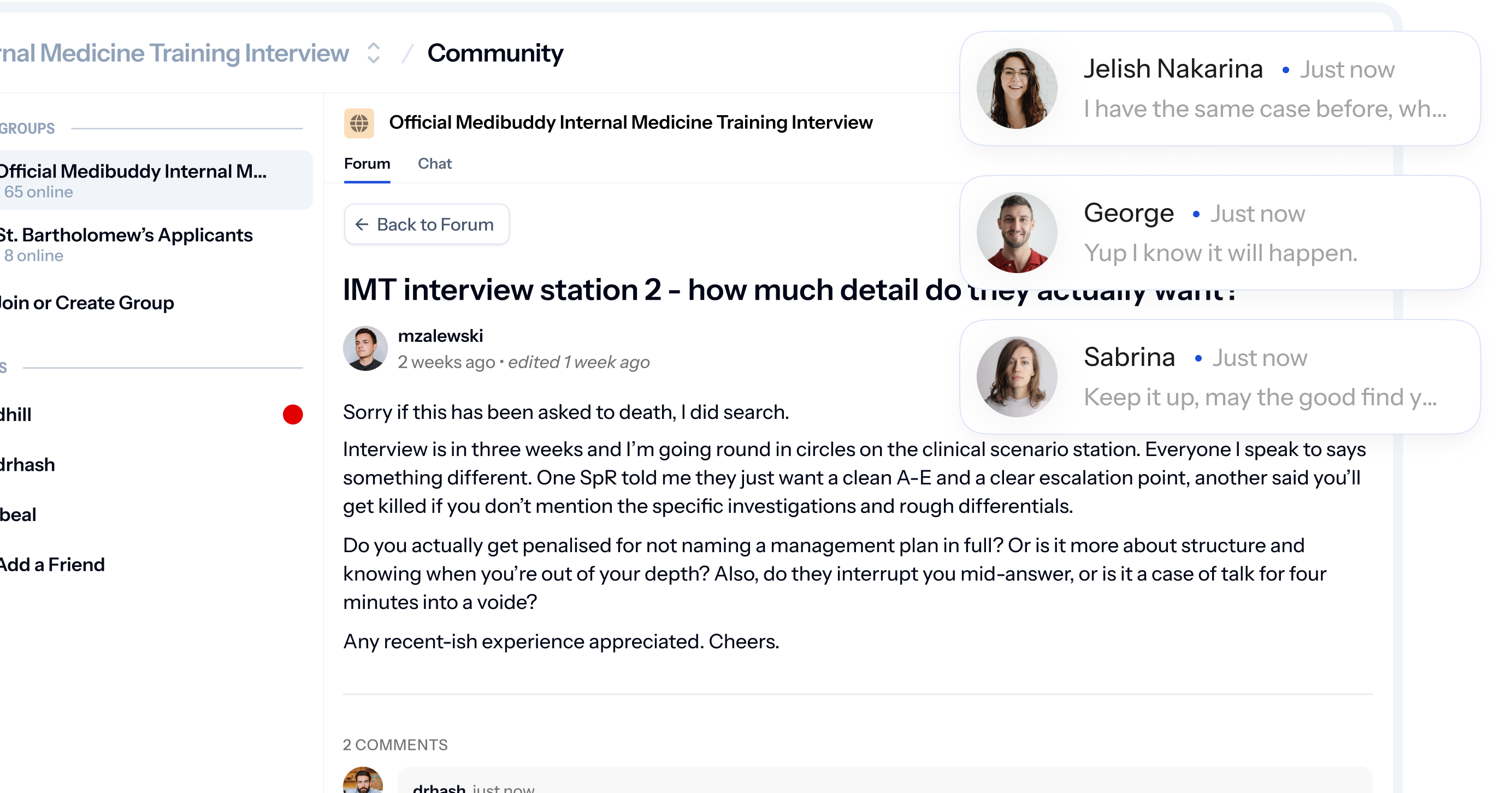
When you prepare in isolation, you're relying on your own interpretation of the interview process, which is one of the quickest ways to get found out on the day. Study Groups connect you with other doctors across the country who are also applying to Haematology HST, so you can engage and network with people preparing for the same interview as you. Everyone brings different experience from different hospitals, meaning you won't ever miss out on the key bits of information that could swing the interview in your favour.
Live MocksBeta
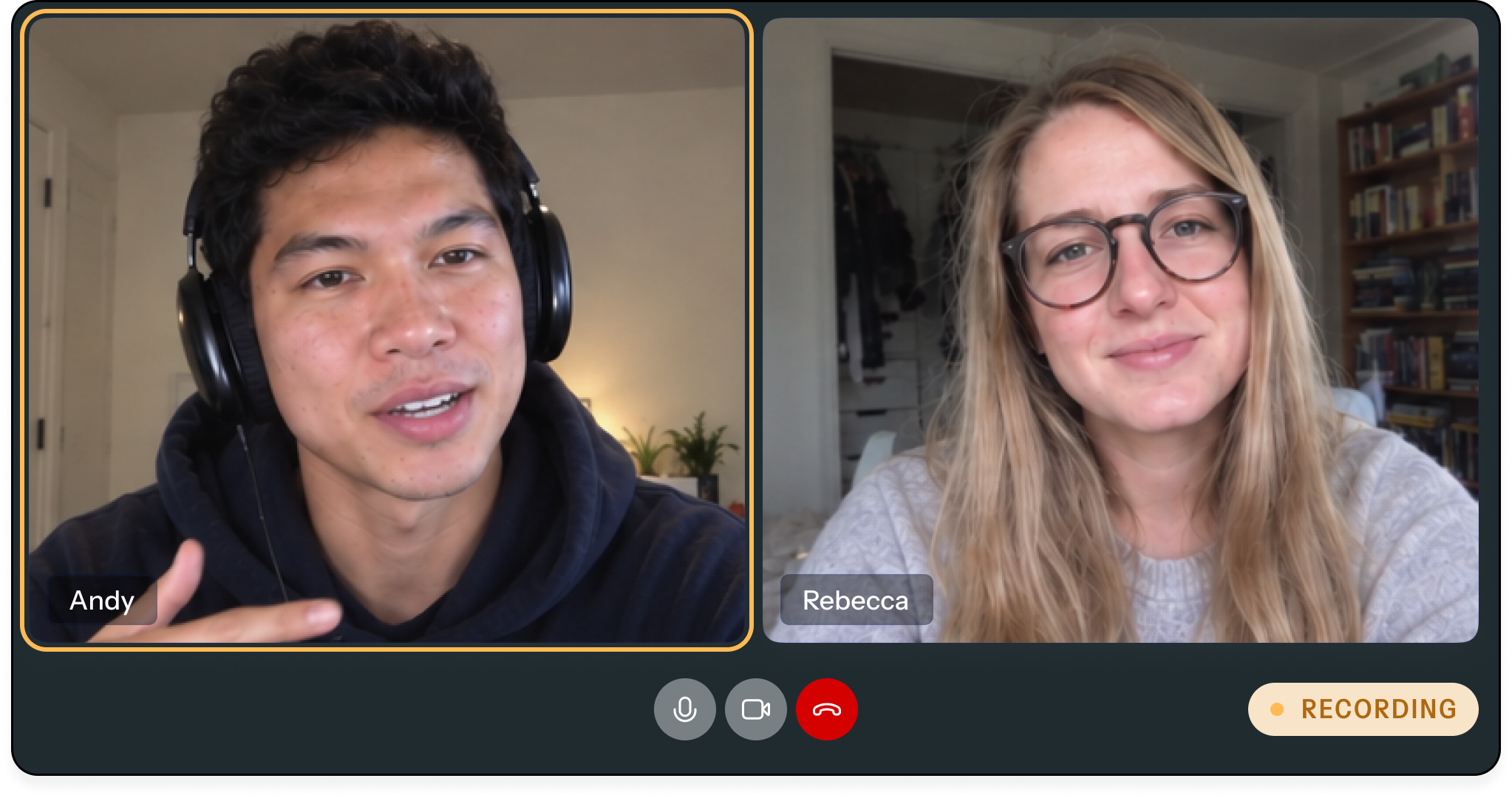
Candidates who don't take part in mocks often struggle to adapt to the pressure of the interview. Your knowledge might be correct, but without convincing delivery the interviewers will score you poorly. The best way to improve your delivery is to take part in as many live mocks as possible, which is why we haven't put a cap on how many you can do. We also know how difficult it can be to organise mocks with other people, so all you have to do is join the waiting room and we'll match you with a different Haematology HST candidate each time. Take turns as both the interviewer and candidate on real Question Bank scenarios, so you can see exactly how other candidates perform in real time, while refining your own interview technique.
Peer FeedbackBeta
Preparing alone means you won't know how you're coming across during the interview. And preparing with the same few candidates means you'll miss opportunities to improve, which is why it's so important to get as many opinions as possible on your performance. With Medibuddy, you can record a mock and submit it for feedback from other candidates on the platform, so you receive a wider range of feedback and refine your answers with each person you practise with. Reviewing other people's mocks is just as valuable, as it shows you how strong candidates handle the same scenarios, which is one of the fastest ways to improve.
The interview

What to expect from the Haematology HST interview

Higher Specialist Training in Haematology (Clinical and Laboratory) is run by RCPI through the Faculty of Pathology: a five-year programme with equally important clinical and laboratory commitments, entered after Basic Specialist Training. The 2027 HST Haematology interview is in person on 22 February 2027, and RCPI publishes its interview criteria: six categories worth 10 marks each.

Category

CV and interest in Haematology

Worth 10 marks. Your CV and why you have chosen haematology. RCPI says the Structured CV, with its personal statement and short answers on your motivation and goals, is used in preparation for the interview, so expect the panel to probe it.
Category

Research and Audit

Worth 10 marks. Your audit and research: what you did, what changed, and what you learned. Be ready to discuss methodology, governance and how your work relates to haematology practice in Ireland.
Category

Career plan and understanding of the scheme

Worth 10 marks. Your career plan, and your understanding of the training scheme you are applying to. RCPI does not define the scheme element, so we prepare you for both: your goals, and how the five-year programme, FRCPath and the required rotations fit together.
Category

Clinical Question 1

Worth 10 marks. RCPI does not publish what either clinical question covers. To make sure you are ready for both, our bank splits the clinical content in two, and this category carries malignant and acute haematology as the on-call Specialist Registrar.
Category

Clinical Question 2

Worth 10 marks. Our second clinical category carries haemostasis, thrombosis, transfusion and red cell haematology, including advice to other teams and the transfusion laboratory. Together, the two clinical categories cover the clinical goals of the RCPI curriculum.
Category

Haematology Service Development

Worth 10 marks. A dedicated category on developing the haematology service, which is unusual among RCPI interviews. Show that you understand how clinical, day care and laboratory services run in Ireland, and how you would improve them safely.

How the interview is scored

The interview is scored out of 60, with 10 marks for each of the six published categories. Shortlisting is scored separately, out of 20, on your qualifications, publications and audit, clinical practice, leadership and teaching. RCPI does not publish the number of stations, their duration or how the two scores combine. Our model answers are structured against the published categories, so you know what a strong, well-organised answer looks like in each one.
Get ready

How to prepare for the Haematology HST interview

Start with the Question Bank

Work through 70 scenarios across all six scored categories, each with a model answer. Start by reading how a strong answer is formed, then think about how you'd deliver it.

Talk the hard ones through in Study Groups

Study Groups are your biggest opportunity to network and connect with other candidates sitting the same interview as you. Everyone on the platform is in the same boat, so don't be scared to get involved and ask questions. Someone in your study group might just help you work through a scenario you've been struggling with.

Rehearse out loud in Live Mocks

Live mocks are where you begin to put everything you've learned into practice, and we know from experience that those who practise with a wide range of candidates usually do the best. Organise mocks with people from one of your study groups, or get matched with a random Haematology HST candidate, then take turns as interviewer and candidate using real scenarios until answering out loud under pressure feels normal.

Get reviewed with Peer Feedback before the day

Once you've recorded a mock, you can have other community members review it. This lets you see how you come across to other people, and gives you time to refine your delivery as you revise, rather than being caught out on the day. Reviewing other people's mocks is just as crucial, as you see how other candidates navigate the same scenarios.
Questions

Frequently asked questions

What does the Haematology HST interview involve?
An in-person interview, on 22 February 2027 for the 2027 intake, scored out of 60 across six categories worth 10 marks each: CV and interest in Haematology, Research and Audit, Career plan and understanding of the scheme, Clinical Question 1, Clinical Question 2 and Haematology Service Development. There is no separate professionalism, ethics or teaching category at interview. Our scenarios and model answers cover all six categories.
How competitive is the Haematology HST interview?
Competitive, with a small intake each year. RCPI does not publish the number of 2027 posts, but the most recent national workforce report counted 45 haematology HST trainees in 2025/26, just 7 of them in year 1, which is why a structured, well-rehearsed approach matters.
Who writes the model answers?
Written by our team of medical writers and reviewed against the current RCPI selection criteria and Irish guidance.
Can I practise with other candidates?
Yes. Every Revision Platform purchase gives you the opportunity to connect with other candidates through Study Groups, Live Mocks and Peer Feedback.
How do the Live Mocks work?
All you have to do is join the waiting room, and we match you with another Haematology HST candidate. You then take turns as interviewer and candidate on real Question Bank scenarios, so you gain experience answering out loud to a real person before you ever sit in front of the panel.
What are Study Groups and how do they help?
Study Groups are community forums for doctors across the country preparing for the same Haematology HST interview. You can ask questions, share what you're struggling with, and compare how you'd approach a scenario.
Can I get feedback on my interview performance?
Yes. After you've recorded a mock, you can ask other members to review it, so you can see which part of your answer needs fine-tuning.
How long do I get access for?
Access runs for 12 months from the purchase date.

Start preparing for the Haematology HST interview

The Revision Platform gives you 70 scenarios and over 300 model-answered questions to practise and refine with other candidates through Study Groups, Live Mocks and Peer Feedback.

Haematology HST Revision Platform • €170

Buy Now