Public Health Medicine HST • Ireland

The 2027 Public Health Medicine HST Interview Revision Platform: Question Bank, Live Practice and Mocks with Other Candidates

The Medibuddy Public Health Medicine HST Question Bank includes 72 scenarios and over 250 model-answered questions across all four scored categories, each with a model answer written to the RCPI Faculty of Public Health Medicine selection criteria and Irish practice.

However, knowing a strong answer isn't the same as delivering it well under pressure, which is why we provide:

Preparing doctors for interviews for 10 years

Medibuddy has been helping doctors prepare for competitive interviews for 10 years. The Public Health Medicine HST Question Bank is new for the 2027 interviews, built from the ground up around the four categories RCPI publishes for this interview.

Always up to date

Did you know the interviews change from year to year? For 2027, RCPI scores the Public Health Medicine interview across four published categories, with CV: Career to date and the public health landscape each carrying 30 marks. That's why every Question Bank on the platform is built around the latest published interview structure, so you know you're always practising with scenarios that reflect how the interview is scored now.

Network and practise real interview scenarios with other candidates

Question Bank

See every scenario, and how to answer it well

72 scenarios across all four scored categories, which tell you exactly how to respond to each question.
Study Groups

Connect with candidates across the country
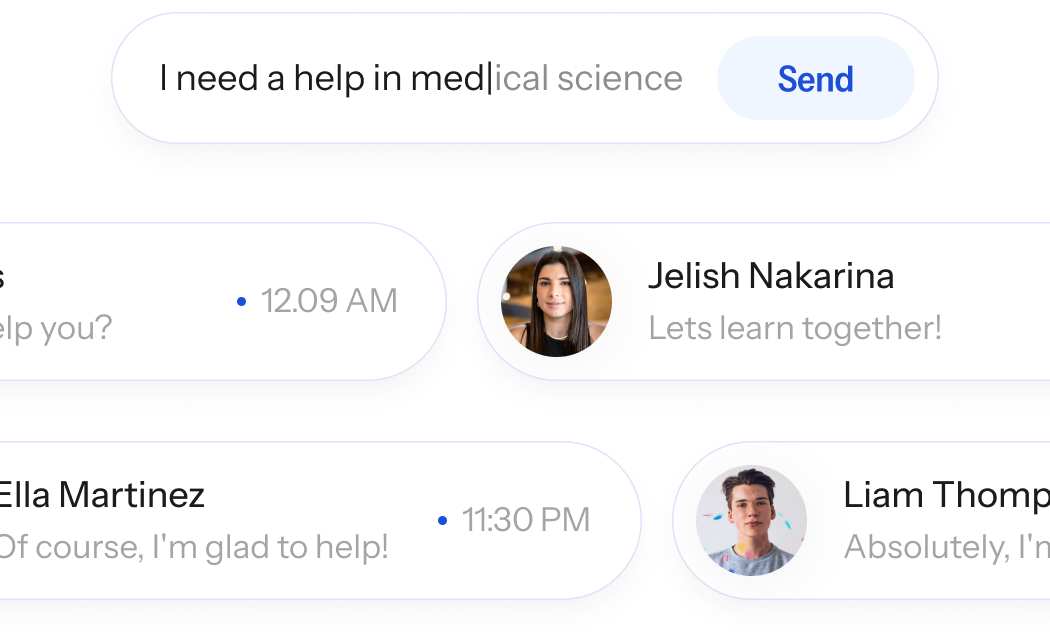
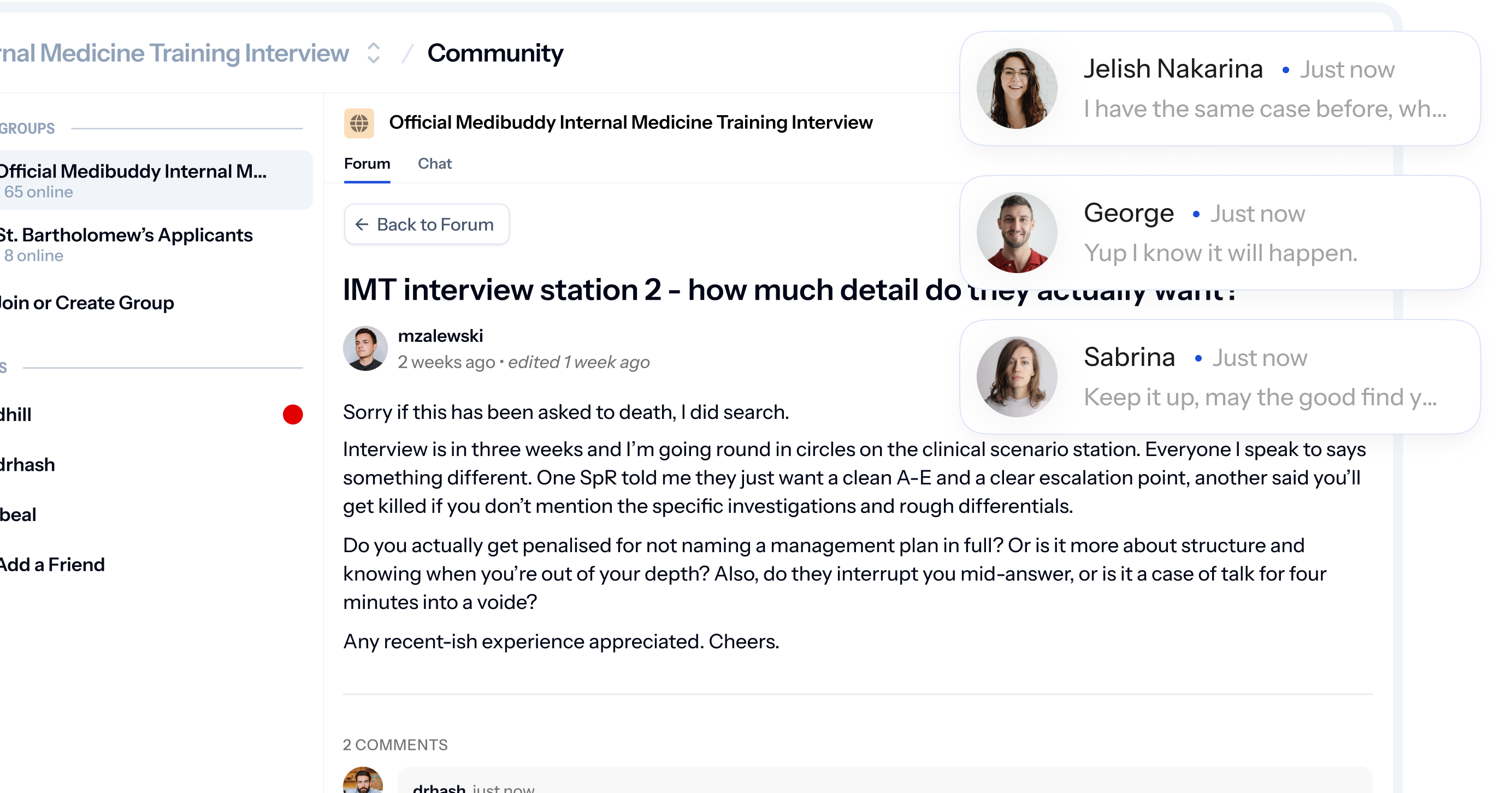
Most people only ever practise with one or two friends. Study Groups connect you with candidates right across the country sitting the same Public Health Medicine HST interview.
Live MocksBeta

Practise interview technique with different candidates
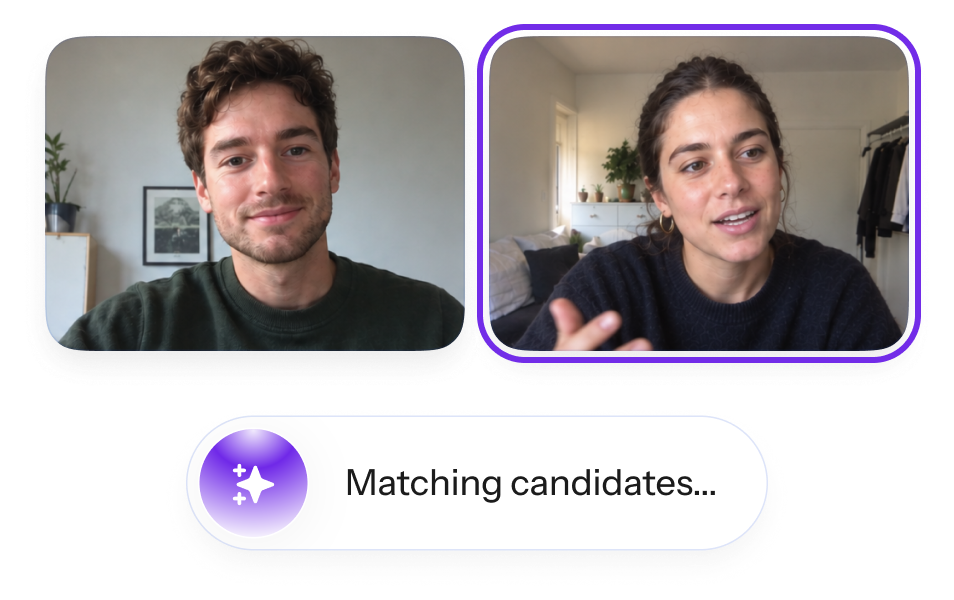
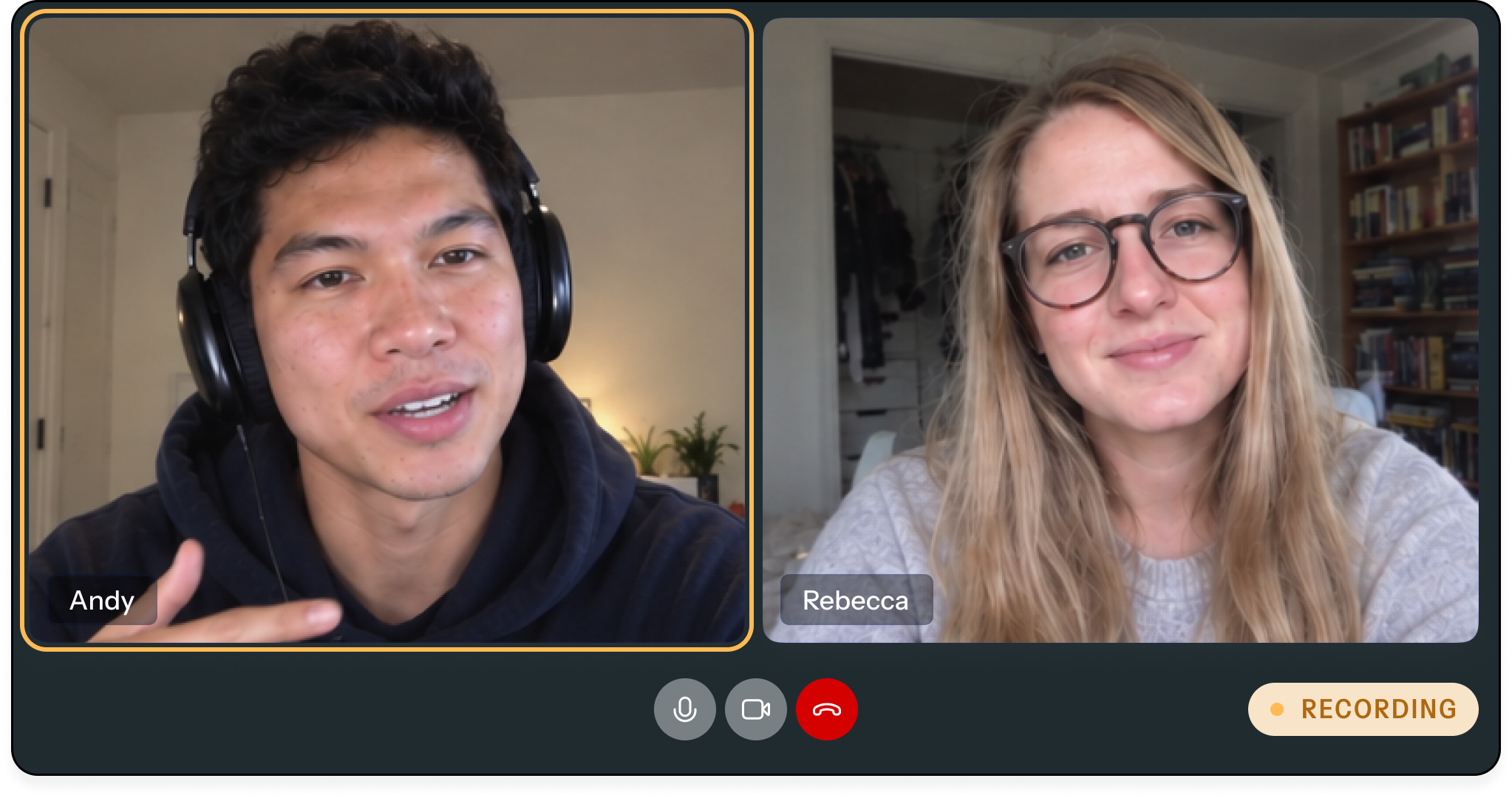
Arrange or get matched on demand with other candidates and run real scenarios out loud under interview conditions. Those who practise with the widest range of people tend to score the highest.
Peer FeedbackBeta

Reviewed by candidates across the platform
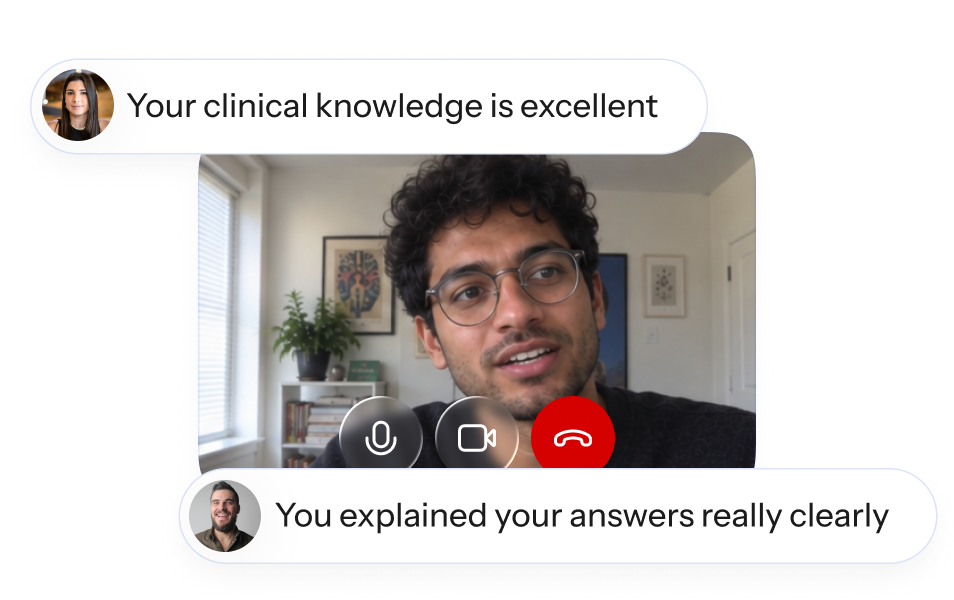
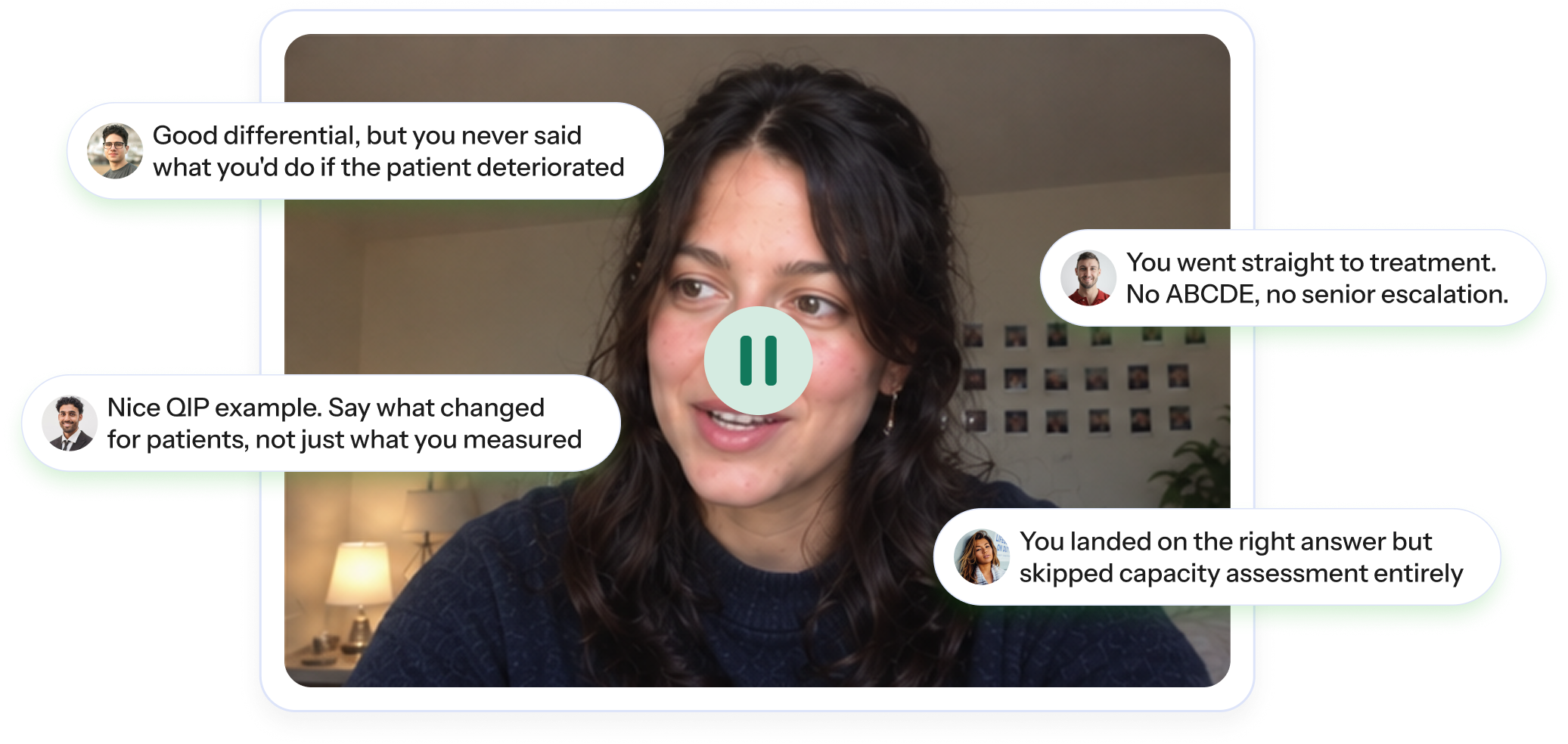
Submit your recorded mocks to candidates across the platform and get honest, varied feedback. Reviewing other people's mocks teaches you just as much.

The question bank, and other candidates to practise with, all in one platform.

Public Health Medicine HST Revision Platform • €170

Gain access to 72 scenarios across all four scored categories, and collaborate with other candidates through Study Groups, Live Mocks and Peer Feedback.
Get instant access
Part 1 • See the questions

The Medibuddy Public Health Medicine HST Question Bank

The Public Health Medicine HST interview is scored across four published categories, so every point has to land, and knowing how to structure each answer is essential. That's why each of our 72 scenarios comes with a model answer, written to the RCPI Faculty of Public Health Medicine selection criteria and Irish practice, so you know exactly how to approach every question the interviewers throw your way.
What's inside

What's included in the Public Health Medicine HST Question Bank

There's nothing worse than getting to the interview and being asked about something you've never prepared for. RCPI scores the Public Health Medicine HST interview across four published categories, so the safest approach is to revise across all of them. We provide scenarios for every category, from your CV and research to the Irish public health system and on-call health protection scenarios, so you don't get caught out.

CV: Career to date including professional qualification

Your career narrative, qualifications and the move from clinical medicine into public health, with model answers that link your CV to what the panel is scoring.

Research/Audit/ Quality Improvement

Your own research, audit and QI, plus study design, bias, critical appraisal, evaluating a public health intervention, and Irish data sources such as the CSO, HPSC and CIDR, HIPE and the NCRI.

Teaching, Leadership and Management

Your teaching and leadership experience, working in an outbreak control team, managing competing priorities on call, and the public health reform and workforce.

Understanding of the Public Health Landscape and overall suitability

A structured interview on the Irish public health system, policy, current issues and your motivation, plus health protection and population health scenarios where you act as the Specialist Registrar on call: measles, TB, meningococcal disease, legionella, screening and inequalities.
Reflecting how Public Health Medicine HST is really assessed
Our scenarios and model answers follow the four interview categories and marks RCPI publishes for the 2027 intake, anchored to Irish public health structures, HPSC guidance and law.
Try it

Try an example Public Health Medicine HST question

You are the first-year Specialist Registrar in Public Health Medicine on call for a regional Department of Public Health. A GP phones about a five-year-old unvaccinated boy with fever, cough, conjunctivitis and a maculopapular rash that started three days ago. Two days ago he spent four hours in a busy Emergency Department waiting room before being sent home. His oral fluid sample is measles PCR positive. He has a four-month-old sister and a three-year-old unvaccinated brother.

How would you approach this?

Question
How do you handle this notification call?
Example answer
This is a confirmed measles case with an Emergency Department exposure, so it needs same-day action and early escalation.
  • Confirm the case: Clinical criteria: fever and maculopapular rash with cough, coryza or conjunctivitis. Laboratory confirmation: measles PCR on oral fluid at the UCD NVRL, or measles-specific IgM in serum or oral fluid. Rash onset date, vaccination status, immunocompromise, travel.
  • Notification: Measles requires immediate preliminary notification by phone to the Medical Officer of Health under the Infectious Diseases Regulations 1981 as amended; the written notification follows. Enter the case on CIDR for enhanced surveillance.
  • Immediate actions: Home isolation until four days after rash onset. Phone the consultant in public health medicine on call now and agree the plan.
Question
When was he infectious, and who counts as a contact from the Emergency Department visit?
Example answer
He was infectious throughout the visit, and the Emergency Department concentrates the people most at risk.
  • Infectious period: Four days before to four days after rash onset; the visit was on day 1 of the rash. Airborne spread; the virus stays in the air for up to two hours.
  • Significant exposure (HPSC guidance): Face-to-face contact of any duration. Immunocompetent people in the same room for more than 15 minutes, which includes the Emergency Department waiting room. Immunocompromised people in the room for any duration, or entering it within two hours after he left.
  • Practical points: Waiting room contacts are poorly defined: records list patients, not those accompanying them. Exposure window: his arrival to two hours after he left, including triage and any cubicle.
Question
How do you organise contact tracing and post-exposure prophylaxis for the Emergency Department contacts?
Example answer
Work through the hospital, prioritise vulnerable contacts and use the prophylaxis windows: the exposure was two days ago.
  • Set up: Inform the hospital Infection Prevention and Control team and the Emergency Department consultant; obtain the attendance list. Agree an incident management team with the hospital.
  • Priority order: Immunocompromised patients, pregnant women and infants under 12 months. Healthcare workers. Healthy contacts.
  • Post-exposure prophylaxis: Susceptible contacts aged 6 months and over: MMR within 72 hours, so by tomorrow. Infants under 6 months and susceptible pregnant women: human normal immunoglobulin (HNIG), ideally within 72 hours, up to 6 days. Immunocompromised contacts: IVIG via the hospital pharmacy, up to 6 days, with their specialist.
  • Everyone else: Warn and inform letters or texts: symptoms, and phone ahead before attending.
Question
His sister is four months old and his three-year-old brother is unvaccinated. How do you manage the household?
Example answer
Household exposure is intense and ongoing, so the infant is today's priority.
  • Four-month-old sister: HNIG through the local post-exposure immunoglobulin pathway: under 6 months with household exposure. With ongoing exposure, the 6-day HNIG window runs from the last exposure. After HNIG, wait at least six months before MMR.
  • Three-year-old brother: Offer MMR today: 72 hours from first exposure have passed, but it protects against further exposure. Likely secondary case: parents to watch for symptoms and phone ahead. Keep him out of crèche for the incubation period if the risk assessment supports it.
  • Index case and parents: He stays at home until four days after rash onset. Check both parents' MMR status and ask about pregnancy.
Question
Two Emergency Department nurses who triaged him have no record of MMR vaccination. What do you advise?
Example answer
Healthcare workers can pass measles to vulnerable patients, so establish their immunity quickly with Occupational Health.
  • Assess immunity: Two documented MMR doses or a positive measles IgG count as evidence of immunity. Urgent IgG testing: a positive result within 7 days of exposure means prior immunity, and they can keep working.
  • If not immune: Exclude from work from day 5 to day 21 after the exposure, even if they receive MMR. Offer MMR now, within the 72-hour window. If immunoglobulin is given, the same exclusion applies, with self-monitoring to day 28.
  • If symptoms develop: Fever or rash: stop work, isolate, phone ahead, and test and notify as a probable case.
  • Staffing: If exclusions threaten safe staffing, the incident management team reviews the risk assessment.
Question
Twelve days later, a classmate from his primary school is confirmed with measles. What happens now?
Example answer
Two linked cases within one incubation period meet the outbreak definition, so the response steps up.
  • Outbreak definition: Two or more epidemiologically linked cases, the second 7 to 21 days after the first.
  • Outbreak control team: Led by the consultant in public health medicine, with the Director of Public Health informed; include the school, surveillance, immunisation and communications. Inform HPSC, and the National Health Protection Office if cases cross regions.
  • Actions: Line list, epidemic curve, and oral fluid samples to the NVRL for genotyping. Check the MMR status of pupils and staff and offer catch-up MMR in the school. Exclusion of unvaccinated contacts for the incubation period, on risk assessment.
  • Communications: Letters to parents; alerts to local GPs, out-of-hours services and Emergency Departments. Media statements agreed with HSE communications.

That's one scenario. There are 71 more.

Public Health Medicine HST Revision Platform • €170

Includes every scenario in the Question Bank, and access to Study Groups, Live Mocks with other candidates and Peer Feedback.
Get instant access
Actively maintained

How we keep our Question Banks up to date

The Public Health Medicine HST Question Bank is new for the 2027 interviews. It was built from the ground up around the current interview structure published by RCPI, with all four scored categories and their marks.

Every scenario and model answer is anchored to Irish structures, guidance and law, from the Infectious Diseases Regulations and HPSC guidance to the HSE Public Health Strategy 2025-2030 and the regional Departments of Public Health, so you're revising with content that reflects how the interview is run now.

Our scenarios and model answers follow the current interview structure, across CV: Career to date including professional qualification, Research/Audit/ Quality Improvement, Teaching, Leadership and Management, and Understanding of the Public Health Landscape and overall suitability, so you always practise with the format the panel is using now.
New for 2027 interviews
Part 2 • Practise them live

The only interview resource where you can practise live with other candidates from across the country

Our Public Health Medicine HST Question Bank tells you exactly how to answer real interview scenarios. But how you practise with them will determine how many marks you score. Simply reading answers off a screen won't prepare you for the intense scrutiny you'll face in the interview. And only practising with the same few colleagues or friends limits the amount of feedback you'll get. Medibuddy gives you unique access to Public Health Medicine HST candidates across the country, so you can learn from a variety of perspectives and hear a far wider range of feedback than your own circle could ever give you.
Study Groups
When you prepare in isolation, you're relying on your own interpretation of the interview process, which is one of the quickest ways to get found out on the day. Study Groups connect you with other doctors across the country who are also applying to Public Health Medicine HST, so you can engage and network with people preparing for the same interview as you. Everyone brings different experience from different hospitals, meaning you won't ever miss out on the key bits of information that could swing the interview in your favour.
Live MocksBeta
Candidates who don't take part in mocks often struggle to adapt to the pressure of the interview. Your knowledge might be correct, but without convincing delivery the interviewers will score you poorly. The best way to improve your delivery is to take part in as many live mocks as possible, which is why we haven't put a cap on how many you can do. We also know how difficult it can be to organise mocks with other people, so all you have to do is join the waiting room and we'll match you with a different Public Health Medicine HST candidate each time. Take turns as both the interviewer and candidate on real Question Bank scenarios, so you can see exactly how other candidates perform in real time, while refining your own interview technique.
Peer FeedbackBeta
Preparing alone means you won't know how you're coming across during the interview. And preparing with the same few candidates means you'll miss opportunities to improve, which is why it's so important to get as many opinions as possible on your performance. With Medibuddy, you can record a mock and submit it for feedback from other candidates on the platform, so you receive a wider range of feedback and refine your answers with each person you practise with. Reviewing other people's mocks is just as valuable, as it shows you how strong candidates handle the same scenarios, which is one of the fastest ways to improve.
The interview

What to expect from the Public Health Medicine HST interview

Higher Specialist Training in Public Health Medicine is run by the Faculty of Public Health Medicine, RCPI, with entry at first-year Specialist Registrar level. The 2027 interview is held in person on 15 February 2027, and it is scored out of 100 across four published categories. RCPI hasn't published the number of 2027 posts; the Year 1 intake was 10 in 2023, 10 in 2024 and 5 in 2025.

Category

CV: Career to date including professional qualification

30 of the 100 marks, joint largest. Expect to talk through your career to date, your qualifications and why you are moving into public health. RCPI's Structured CV, including your career goals within the HSE, is used in preparation for the interview.
Category

Research/Audit/ Quality Improvement

20 marks. Be ready to discuss your research, audit and QI, and to show you understand study design and can appraise evidence critically.
Category

Teaching, Leadership and Management

20 marks. Have clear examples of your teaching, leadership and management, and of working well in a team under pressure.
Category

Understanding of the Public Health Landscape and overall suitability

30 of the 100 marks, joint largest. RCPI doesn't publish a format for this category. Show your understanding of public health in Ireland, including its structures, current issues and policy, and your suitability for the specialty.

How the interview is scored

RCPI publishes the full marking scheme for the interview, out of 100: CV: Career to date including professional qualification 30, Research/Audit/ Quality Improvement 20, Teaching, Leadership and Management 20, and Understanding of the Public Health Landscape and overall suitability 30. Shortlisting may also be used. The number of stations, their length and the panel are not published, and your interview rank decides the order of first post allocation. Our model answers are structured against each category, so you know exactly what a strong, well-organised answer looks like.
Get ready

How to prepare for the Public Health Medicine HST interview

Start with the Question Bank

Work through 72 scenarios across all four scored categories, each with a model answer. Start by reading how a strong answer is formed, then think about how you'd deliver it.

Talk the hard ones through in Study Groups

Study Groups are your biggest opportunity to network and connect with other candidates sitting the same interview as you. Everyone on the platform is in the same boat, so don't be scared to get involved and ask questions. Someone in your study group might just help you work through a scenario you've been struggling with.

Rehearse out loud in Live Mocks

Live mocks are where you begin to put everything you've learned into practice, and we know from experience that those who practise with a wide range of candidates usually do the best. Organise mocks with people from one of your study groups, or get matched with a random Public Health Medicine HST candidate, then take turns as interviewer and candidate using real scenarios until answering out loud under pressure feels normal.

Get reviewed with Peer Feedback before the day

Once you've recorded a mock, you can have other community members review it. This lets you see how you come across to other people, and gives you time to refine your delivery as you revise, rather than being caught out on the day. Reviewing other people's mocks is just as crucial, as you see how other candidates navigate the same scenarios.
Questions

Frequently asked questions

What does the Public Health Medicine HST interview involve?
An in-person interview on 15 February 2027, scored out of 100 across four published categories: CV: Career to date including professional qualification (30), Research/Audit/ Quality Improvement (20), Teaching, Leadership and Management (20), and Understanding of the Public Health Landscape and overall suitability (30). Our scenarios and model answers cover each category so you know how to structure a strong response.
How competitive is the Public Health Medicine HST interview?
Competitive. RCPI hasn't published the number of posts for 2027, but the Year 1 intake was 10 in 2023, 10 in 2024 and 5 in 2025. Your interview rank also decides the order in which first posts are allocated, so a structured, well-rehearsed approach matters.
Who writes the model answers?
Written by our team of medical writers and reviewed against the current selection criteria and Irish guidance, so every answer reflects how the Public Health Medicine HST interview is scored now.
Can I practise with other candidates?
Yes. Every Revision Platform purchase gives you the opportunity to connect with other candidates through Study Groups, Live Mocks and Peer Feedback.
How do the Live Mocks work?
All you have to do is join the waiting room, and we match you with another Public Health Medicine HST candidate. You then take turns as interviewer and candidate on real Question Bank scenarios, so you gain experience answering out loud to a real person before you ever sit in front of the panel.
What are Study Groups and how do they help?
Study Groups are community forums for doctors across the country preparing for the same Public Health Medicine HST interview. You can ask questions, share what you're struggling with, and compare how you'd approach a scenario.
Can I get feedback on my interview performance?
Yes. After you've recorded a mock, you can ask other members to review it, so you can see which part of your answer needs fine-tuning.
How long do I get access for?
Access runs for 12 months from the purchase date.

Start preparing for the Public Health Medicine HST interview

The Revision Platform gives you 72 scenarios and over 250 model-answered questions to practise and refine with other candidates through Study Groups, Live Mocks and Peer Feedback.

Public Health Medicine HST Revision Platform • €170

Buy Now