Geriatric Medicine and GIM HST Interview Question Bank – Medibuddy Ireland
Geriatric Medicine and GIM HST • 2027 Interview

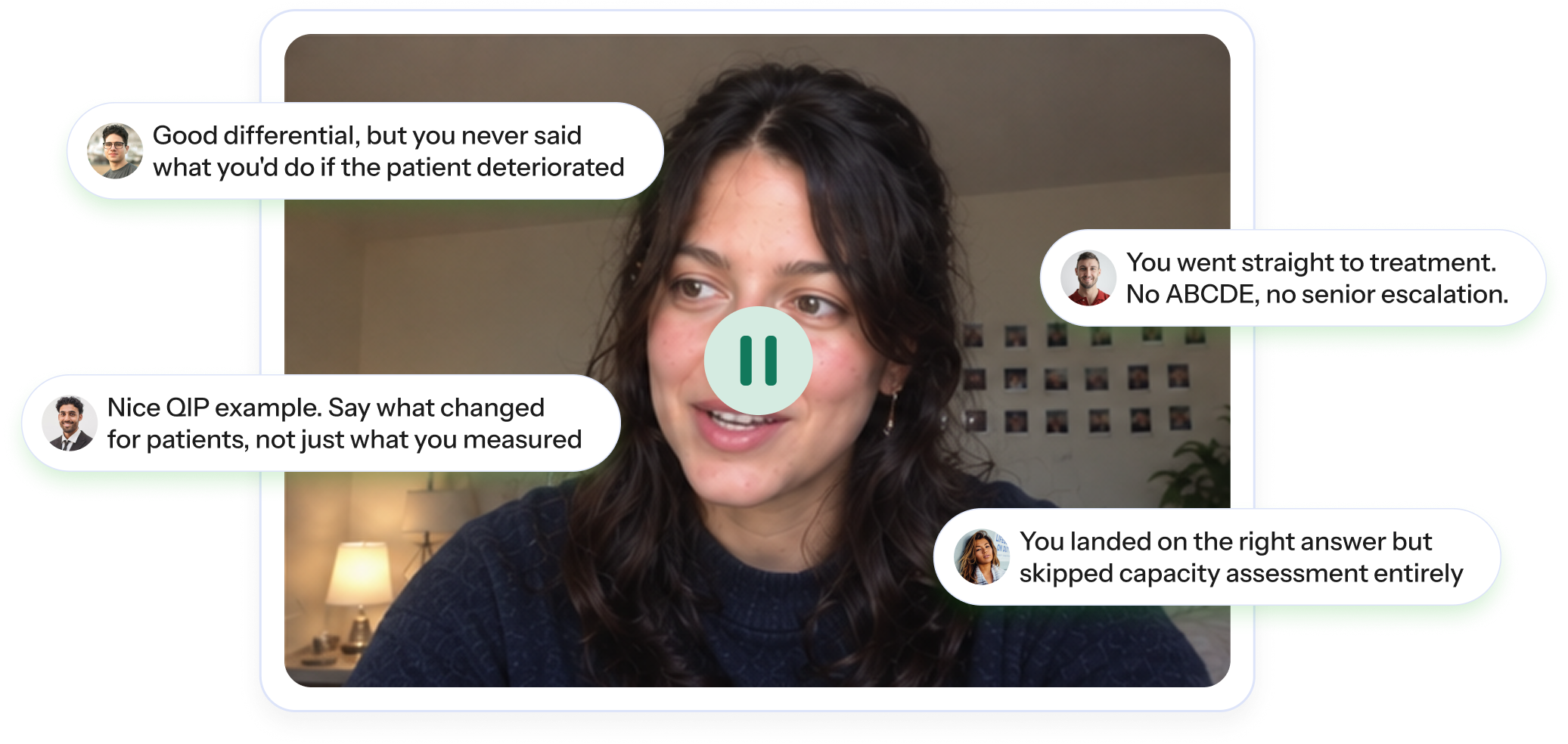
The 2027 Geriatric Medicine and GIM HST Interview Revision Platform: Question Bank, Live Practice and Mocks with Other Candidates

The Medibuddy Geriatric Medicine and GIM HST Question Bank includes 54 scenarios and over 240 model-answered questions that closely mirror the real interview, each written and edited by high-scoring candidates who sat the Geriatric Medicine and GIM HST interview in 2026.

However, knowing a strong answer isn't the same as delivering it well under pressure, which is why we provide:

10 years' experience preparing doctors for interviews

Users of the Medibuddy Geriatric Medicine and GIM HST Revision Platform have secured some of the most competitive training posts in recent rounds. Ask around, there's a good chance the trainees in the year above you used us too.

Always up to date

Did you know the interviews change every year? That's why we review and update every Question Bank on the platform twice a year, so you know you're always practising with scenarios based on the latest interview structure.

Network and practise real interview scenarios with other candidates

Question Bank

See every scenario, and how to answer it well

54 scenarios across all four scored categories, which tell you exactly how to respond to each question.
Study Groups

Connect with candidates across the country
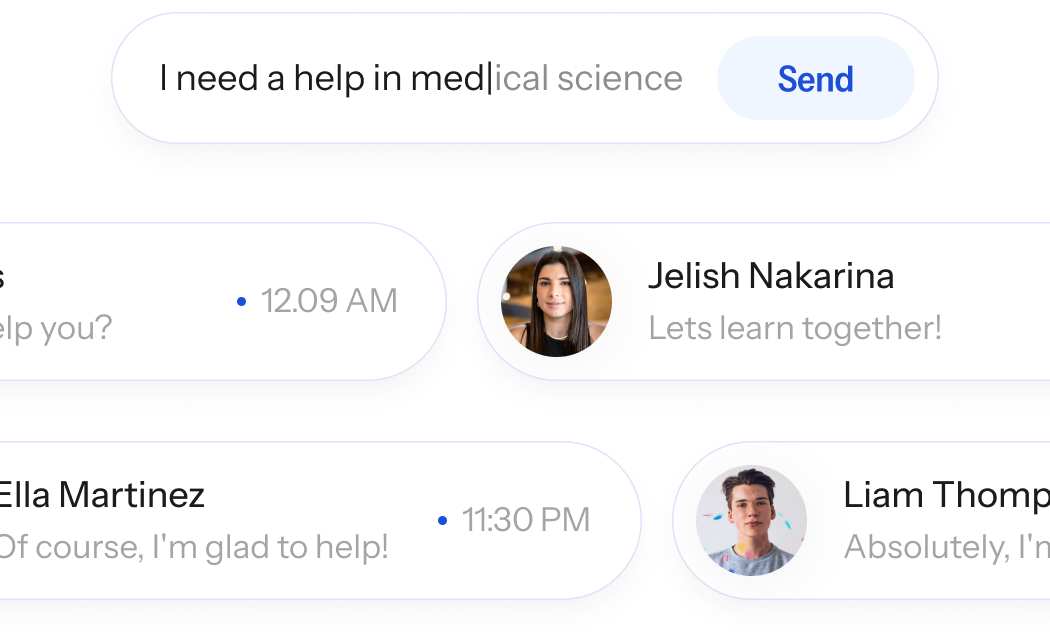
Most people only ever practise with one or two friends. Study Groups connect you with candidates right across the country sitting the same Geriatric Medicine and GIM HST interview.
Live MocksBeta

Practise interview technique with different candidates
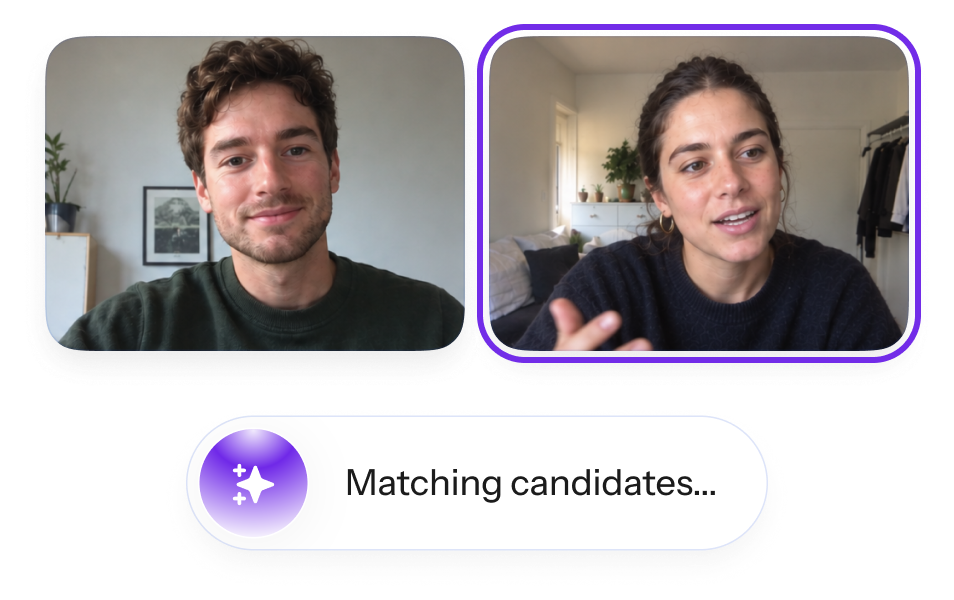
Arrange or get matched on demand with other candidates and run real scenarios out loud under interview conditions. Those who practise with the widest range of people tend to score the highest.
Peer FeedbackBeta

Reviewed by candidates across the platform
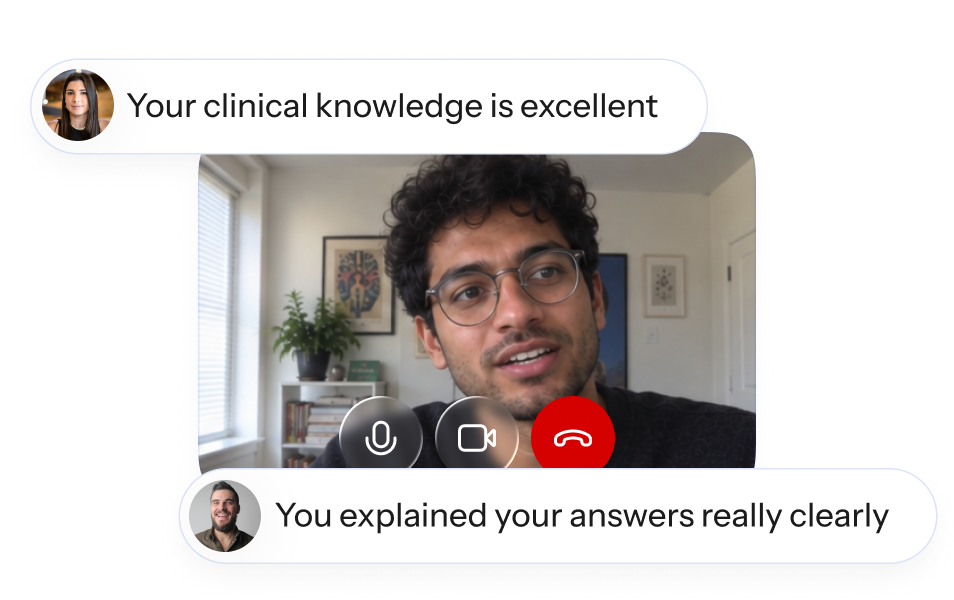
Submit your recorded mocks to candidates across the platform and get honest, varied feedback. Reviewing other people's mocks teaches you just as much.

The question bank, and other candidates to practise with, all in one platform.

Geriatric Medicine and GIM HST Revision Platform • €170

Gain access to 54 scenarios across all four scored categories, and collaborate with other candidates through Study Groups, Live Mocks and Peer Feedback.
Get instant access
What candidates say

Scored well, secured their post

A few of the candidates who prepared with us for the Geriatric Medicine and GIM HST interview.

Verified candidateInterviewed 2026
"Having a structure ready for the clinical experience and management questions meant I stayed calm and systematic under pressure."
Secured HST post
Verified candidateInterviewed 2026
"Practising the professionalism and research questions out loud with other candidates was the single most useful thing I did before the day."
Ranked highly
Part 1 • See the questions

The Medibuddy 2027 Geriatric Medicine and GIM HST Question Bank

The interview is scored across four categories, and each part is tightly timed, so you have a limited window to deliver the high-scoring answers you need to do well. That means every point has to land, and knowing how to structure each answer is essential. That's why each of our 54 scenarios comes with a model answer, written by candidates who scored highly in the 2026 Geriatric Medicine and GIM HST interview, so you know exactly how to approach every question the panel puts to you.
What's inside

What's included in the Geriatric Medicine and GIM HST Question Bank

There's nothing worse than reaching the interview and being handed a question you've never prepared for. The panel scores four categories, spanning your clinical experience, your leadership and your academic record, so the safest approach is to revise across all of them. We provide scenarios for every category, including the common themes and the trickier cases that have come up before, so you don't get caught out.

Interview Performance & Professionalism

Professionalism and interview-technique scenarios, with model answers that show composure and sound judgement under pressure.

Clinical Experience

Core geriatric medicine from delirium and falls to dementia, frailty and end-of-life care, with the acute GIM take woven through, each with a worked answer.

Management, Leadership & Teaching

Leadership, service and teaching scenarios, with structured answers that show how you lead and improve care for older people.

Research & Audit

Research and audit questions, with worked answers that show how to evidence your contribution and its impact.
Built around the four scored categories
The programme is dual, so general internal medicine is covered within clinical experience through acute take scenarios. Every scenario is anchored to Irish practice, guidelines and law.
Try it

Try an example Geriatric Medicine and GIM HST question

You are the Geriatric Medicine and GIM Specialist Registrar on the specialist geriatric ward. Mr Seamus Doyle, 79, was admitted six days ago with a urinary tract infection. He has moderate Alzheimer dementia, atrial fibrillation and hypertension, and takes donepezil, apixaban, ramipril and bisoprolol. Since yesterday evening he has been repeatedly climbing out of bed, shouting and pulling at his cannula, and the night staff report he struck a healthcare assistant. His daughter is distressed and asks whether he needs to be sedated.

Before reaching for any medication, how would you assess him?

Question
Before reaching for any medication, how would you assess Mr Doyle?
Example answer
My first step is to look for and treat a reversible cause, as new agitation in a person with dementia almost always signals a precipitant.
  • History: the onset and course (an acute change over hours to days suggests delirium on dementia), pain assessed with an observational tool such as the Abbey Pain Scale, urinary and bowel symptoms, fever, fluid intake and the last void, a medication review for anticholinergic burden or a missed donepezil dose, and a collateral alcohol or benzodiazepine history.
  • Examination: full observations, temperature and bedside glucose, a 4AT delirium screen, palpation for a distended bladder and checks for constipation and pressure areas, and a look for new focal neurology.
  • Environment: time of day and sundowning, noise, lighting and the presence of family.
Question
His 4AT is 10 and his temperature is 38.4. Urine cultures grow E. coli sensitive to trimethoprim. How does this change your management?
Example answer
The 4AT confirms delirium on dementia with infection as the likely driver, so management focuses on the infection and the non-pharmacological delirium bundle.
  • Infection: switch to oral trimethoprim if he can swallow and is stable, review duration and remove the cannula as soon as possible.
  • Delirium bundle: repeated reorientation with familiar objects and family presence, a small consistent nursing team, daylight, glasses and hearing aids, regular mobilising, a toileting schedule and treatment of constipation, and rationalising sedating or anticholinergic drugs.
  • Safety: a least-restrictive approach under the Assisted Decision-Making (Capacity) Act 2015, one-to-one support if available, a falls assessment, and daily communication with his daughter.
Question
After two days he remains severely agitated and the consultant asks you to consider pharmacological management. How do you approach this?
Example answer
Medication is a last resort once non-pharmacological measures are optimised, there is a risk of harm and the benefit clearly outweighs the risk.
  • Document that non-pharmacological measures have failed, define the target symptom as severe agitation with risk of harm, and discuss with my consultant, the nurses and his daughter.
  • Choice: low-dose haloperidol, 0.25 to 0.5 mg orally, at the lowest effective dose for the shortest time; avoid it if Lewy body dementia is suspected, where a very low dose of lorazepam may be used instead, and avoid long-acting benzodiazepines because of falls and respiratory depression.
  • Check the ECG for QT prolongation first given his atrial fibrillation, then re-evaluate daily and stop as soon as the episode resolves.
Question
Would increasing his donepezil, or adding a hypnotic at night, help his agitation and sleep?
Example answer
Neither is likely to help, and both carry real risks.
  • Donepezil slows cognitive decline but has no role in acute agitation, and higher doses cause nausea and bradycardia. His regular dose should continue to avoid withdrawal, but it is not a treatment for this.
  • Night sedation: zopiclone and similar agents increase falls, cause next-day sedation and can worsen delirium. Melatonin has a better safety profile and may help the sleep-wake cycle, and a structured evening routine with reduced noise and no daytime napping is the most effective measure.
Question
His delirium resolves but he now asks to go home, rummages in other patients' lockers and wanders at night. How do you assess and manage these persistent symptoms?
Example answer
Residual symptoms after the delirium resolves need a structured assessment to find triggers and target non-pharmacological strategies.
  • Assessment: characterise each behaviour with a behaviour diary noting antecedents and consequences, consider unmet needs such as pain, hunger, loneliness or toileting, and review his premorbid routine and personality with his daughter.
  • Management: a personalised activity programme from occupational therapy, reality orientation and memory aids, a daily routine mirroring home with a rummage box of familiar objects, environmental changes such as clear signage and a low-stimulus space, and referral to the dementia CNS or liaison psychiatry if behaviours remain complex.
Question
He is medically stable but there are concerns he was not safe at home before admission. How do you plan his discharge destination?
Example answer
The destination depends on a structured capacity assessment and a multidisciplinary view of risk, guided by the Assisted Decision-Making (Capacity) Act 2015.
  • Capacity: assess his capacity specifically for where to live; if he has capacity and chooses home, that stands even if it seems risky, and if he lacks it the least-restrictive option that reflects his will and preferences applies, with a decision-making representation order only if needed.
  • Risk assessment: an occupational therapy functional or home assessment, social work review of the home and carer capacity, an interRAI assessment of support needs, and community specialist input.
  • Options: supported discharge home with enhanced supports and a review date, or step-down and longer-term care if home is not safe, chosen with him and his family.

That's one scenario. There are 53 more.

Geriatric Medicine and GIM HST Revision Platform • €170

Includes every scenario in the Question Bank, and access to Study Groups, Live Mocks with other candidates and Peer Feedback.
Get instant access
Actively maintained

How we keep our Question Banks up to date

The Geriatric Medicine and GIM HST interview changes from year to year, and the biggest fear for any candidate is getting to interview day and realising you've revised with a question bank that's totally outdated.

That's why we review and update every Question Bank twice a year, so you know you're revising with scenarios that are likely to come up. We do this in April after the previous year's interviews, and again in the autumn when the new recruitment guidance is published.

For 2027, this process kept the Question Bank aligned with the current four-category format, across interview performance and professionalism, clinical experience, management and leadership, and research and audit, so you always practise with the format the panel is using now.
Updated for 2027 Interviews
Part 2 • Practise them live

The only interview resource where you can practise live with other candidates from across the country

Our Geriatric Medicine and GIM HST Question Bank tells you exactly how to answer real interview scenarios. But how you practise with them will determine how many marks you score. Simply reading answers off a screen won't prepare you for the intense scrutiny you'll face in the interview, and only practising with the same few colleagues limits the feedback you'll get. Medibuddy gives you unique access to Geriatric Medicine and GIM HST candidates across the country, so you can learn from a variety of perspectives and hear a far wider range of feedback than your own circle could ever give you.
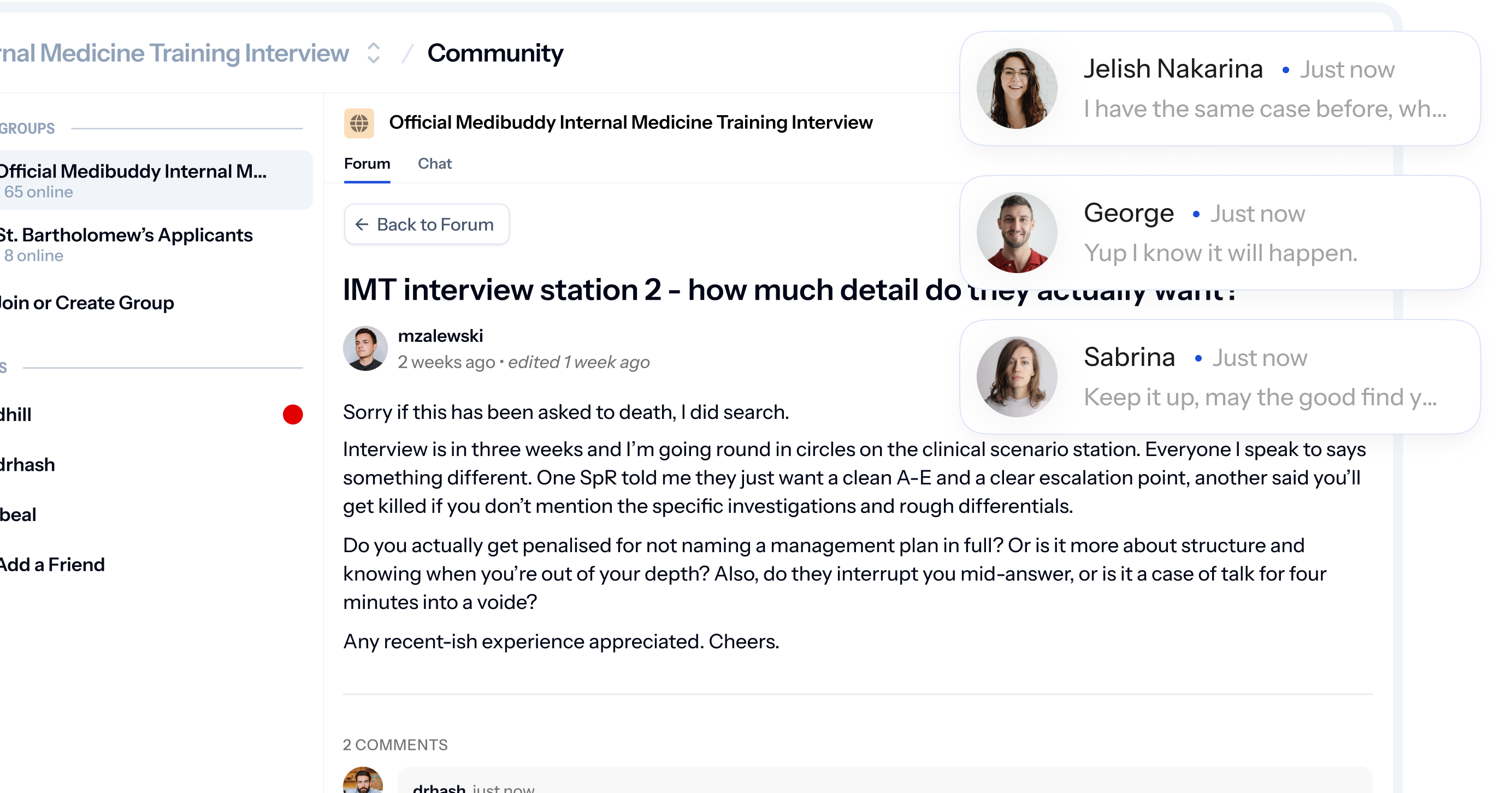
Study Groups
When you prepare in isolation, you're relying on your own interpretation of the interview process, which is one of the quickest ways to get found out on the day. Study Groups connect you with other doctors across the country who are also applying to Geriatric Medicine and GIM HST, so you can engage and network with people preparing for the same interview as you. Everyone brings different experience from different units, meaning you won't miss out on the key bits of information that could swing the interview in your favour.
Live MocksBeta
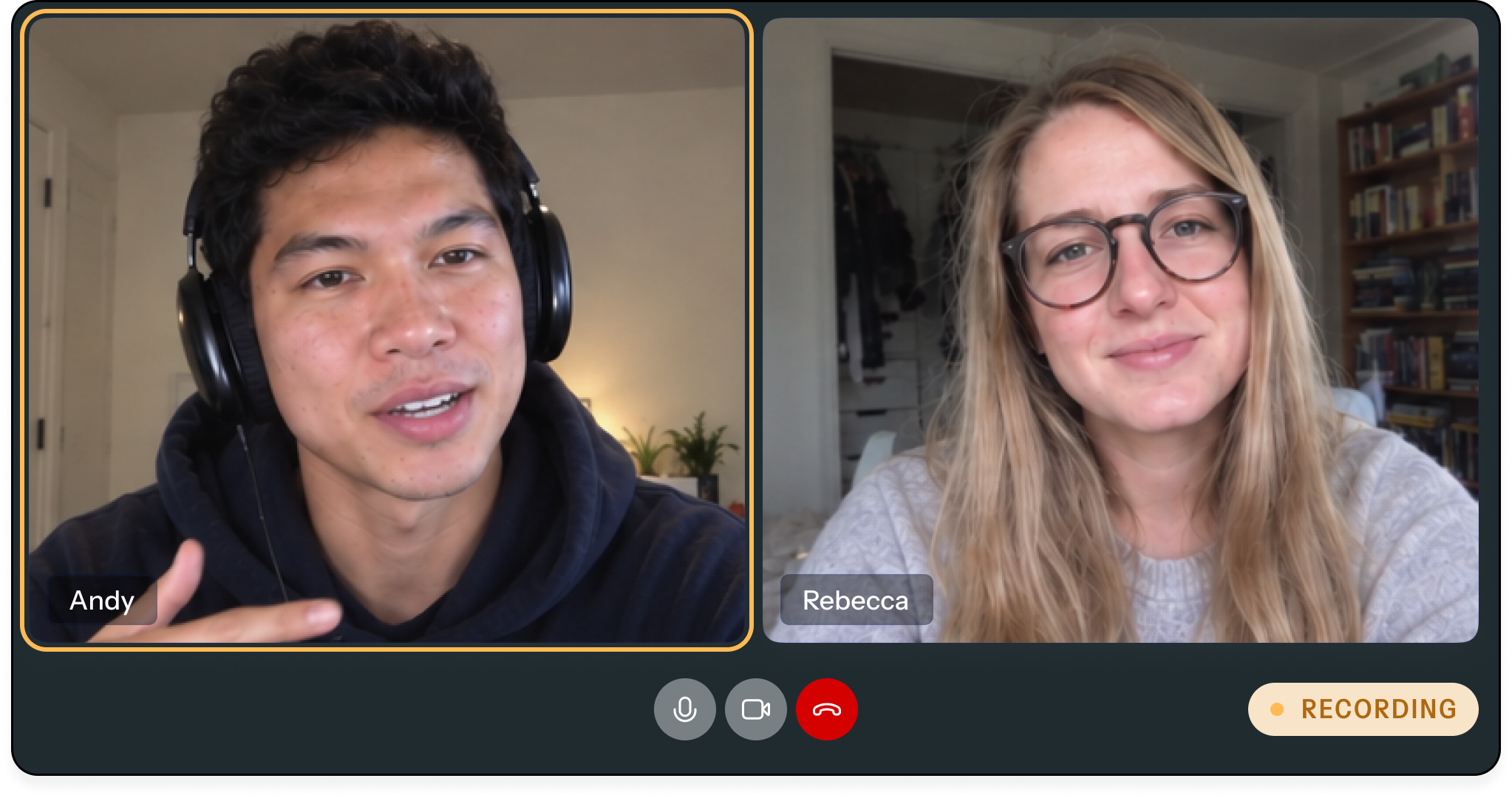
Candidates who don't take part in mocks often struggle to adapt to the pressure of the interview. Your knowledge might be correct, but without convincing delivery the interviewers will score you poorly. The best way to improve your delivery is to take part in as many live mocks as possible, which is why we haven't put a cap on how many you can do. All you have to do is join the waiting room and we'll match you with a different Geriatric Medicine and GIM HST candidate each time. Take turns as both the interviewer and candidate on real Question Bank scenarios, so you can see exactly how other candidates perform in real time while refining your own technique.
Peer FeedbackBeta
Preparing alone means you won't know how you're coming across during the interview, and preparing with the same few candidates means you'll miss opportunities to improve, which is why it's so important to get as many opinions as possible on your performance. With Medibuddy, you can record a mock and submit it for feedback from other candidates on the platform, so you receive a wider range of feedback and refine your answers with each person you practise with. Reviewing other people's mocks is just as valuable, as it shows you how strong candidates handle the same scenarios.
The interview

What to expect from the Geriatric Medicine and GIM HST interview

Higher Specialist Training in Geriatric Medicine and GIM is a dual programme run by the Royal College of Physicians of Ireland, and strong applicants are often separated by narrow margins at interview.

The interview is scored across four categories: interview performance and professionalism, clinical experience, management, leadership and teaching, and research and audit. General internal medicine is assessed within clinical experience through acute take scenarios.

Category

Interview Performance and Professionalism

Your professionalism and interview technique, shown through composure and sound judgement under pressure.
Category

Clinical Experience

Core geriatric medicine and the acute GIM take, where you assess and manage safely as the registrar.
Category

Management, Leadership and Teaching

Leadership, service improvement and teaching, and how you lead and improve care for older people.
Category

Research and Audit

Your research and audit experience, and how you evidence your contribution and its impact.

How the interview is scored

The interview is scored across four categories, with general internal medicine assessed within clinical experience. Our model answers are structured against those categories, so you know what a strong, well-organised answer looks like in each.
Get ready

How to prepare for the Geriatric Medicine and GIM HST interview

Start with the Question Bank

Work through 54 scenarios across all four categories, each with a worked answer from a candidate who scored well in the 2026 interview. Start by reading how a strong answer is formed, then think about how you'd deliver it.

Talk the hard ones through in Study Groups

Study Groups are your biggest opportunity to network and connect with other candidates sitting the same interview as you. Everyone on the platform is in the same boat, so don't be scared to get involved and ask questions. Someone in your study group might just help you work through a scenario you've been struggling with.

Rehearse out loud in Live Mocks

Live mocks are where you begin to put everything you've learned into practice, and we know from experience that those who practise with a wide range of candidates usually do the best. Organise mocks with people from one of your study groups, or get matched with a random Geriatric Medicine and GIM HST candidate, then take turns as interviewer and candidate using real scenarios until answering out loud under pressure feels normal.

Get reviewed with Peer Feedback before the day

Once you've recorded a mock, you can have other community members review it. This lets you see how you come across to other people, and gives you time to refine your delivery as you revise, rather than being caught out on the day. Reviewing other people's mocks is just as crucial, as you see how other candidates navigate the same scenarios.
Questions

Frequently asked questions

What does the Geriatric Medicine and GIM HST interview involve?
It is a dual programme run by the Royal College of Physicians of Ireland, scored across four categories: interview performance and professionalism, clinical experience, management, leadership and teaching, and research and audit. General internal medicine is assessed within clinical experience.
How competitive is the Geriatric Medicine and GIM HST interview?
Geriatric Medicine and GIM is a competitive dual HST pathway, and strong candidates are frequently separated by small margins at interview, which is why a structured, well-rehearsed approach matters.
Who writes the model answers?
High-scoring candidates who sat the Geriatric Medicine and GIM HST interview in 2026, so the answers reflect what came up and what scored this year.
Can I practise with other candidates?
Yes. Every Revision Platform purchase gives you the opportunity to connect with other candidates through Study Groups, Live Mocks and Peer Feedback.
How do the Live Mocks work?
All you have to do is join the waiting room, and we match you with another Geriatric Medicine and GIM HST candidate. You then take turns as interviewer and candidate on real Question Bank scenarios, so you gain experience answering out loud to a real person before you ever sit in front of the panel.
What are Study Groups and how do they help?
Study Groups are community forums for doctors across the country preparing for the same Geriatric Medicine and GIM HST interview. You can ask questions, share what you're struggling with, and compare how you'd approach a scenario.
Can I get feedback on my interview performance?
Yes. After you've recorded a mock, you can ask other members to review it, so you can see which part of your answer needs fine-tuning.
How do you keep the Geriatric Medicine and GIM HST Question Bank up to date?
We review and update it twice a year: in April after that year's interviews, and again in the autumn when the new recruitment guidance is published, so you always practise with the current four-category format.
How long do I get access for?
Access runs for 12 months from the purchase date.

Start preparing for the Geriatric Medicine and GIM HST interview

The Revision Platform gives you 54 scenarios to practise and refine with other candidates through Study Groups, Live Mocks and Peer Feedback. Ten years preparing doctors for interviews, with the questions, this year's model answers and live practice, all in one place.

Geriatric Medicine and GIM HST Revision Platform • €170

Buy Now