Medical Oncology HST • Ireland

The 2027 Medical Oncology HST Interview Revision Platform: Question Bank, Live Practice and Mocks with Other Candidates

The Medibuddy Medical Oncology HST Question Bank includes 64 scenarios and over 260 questions built around the real interview, across all five scored categories, each with a model answer written to the RCPI selection criteria and Irish practice.

However, knowing a strong answer isn't the same as delivering it well under pressure, which is why we provide:

Preparing doctors for interviews for 10 years

Medibuddy has spent 10 years helping doctors prepare for competitive specialty interviews. The Medical Oncology HST Question Bank brings that experience to the RCPI Higher Specialist Training interview in Medical Oncology.

Built for the current interview

Did you know the interviews change from year to year? RCPI publishes the 2027 Medical Oncology interview criteria: five categories with unequal marks, including 25 marks for clinical experience and knowledge of the specialty. This bank is new for the 2027 interviews and built around those published criteria.

Network and practise real interview scenarios with other candidates

Question Bank

See every scenario, and how to answer it well

64 scenarios across all five scored categories, each with a model answer that tells you exactly how to respond to every question.
Study Groups

Connect with candidates across the country
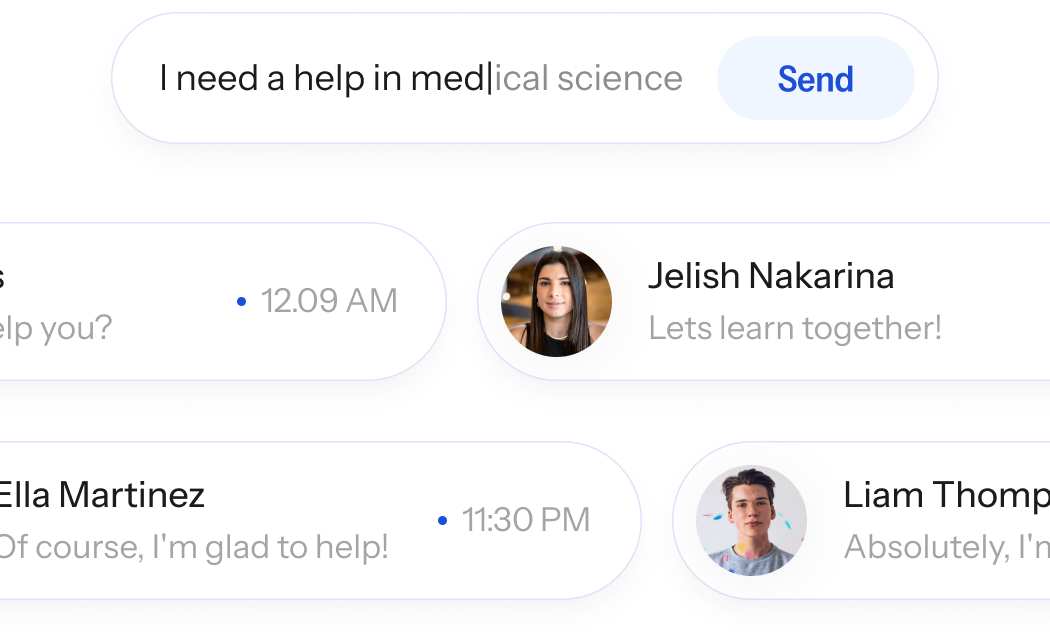
Most people only ever practise with one or two friends. Study Groups connect you with candidates right across the country sitting the same Medical Oncology HST interview.
Live MocksBeta

Practise interview technique with different candidates
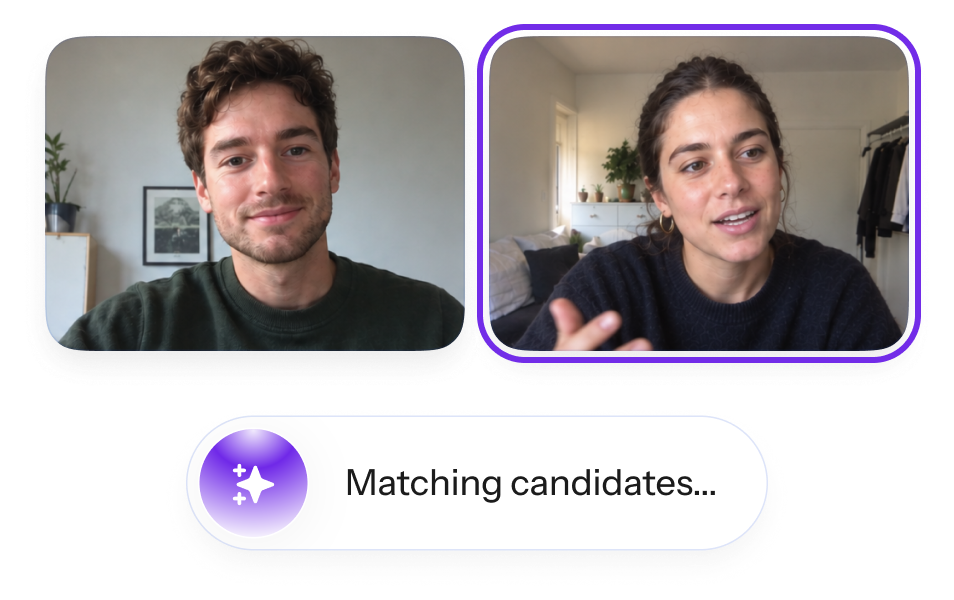
Arrange or get matched on demand with other candidates and run real scenarios out loud under interview conditions. Those who practise with the widest range of people tend to score the highest.
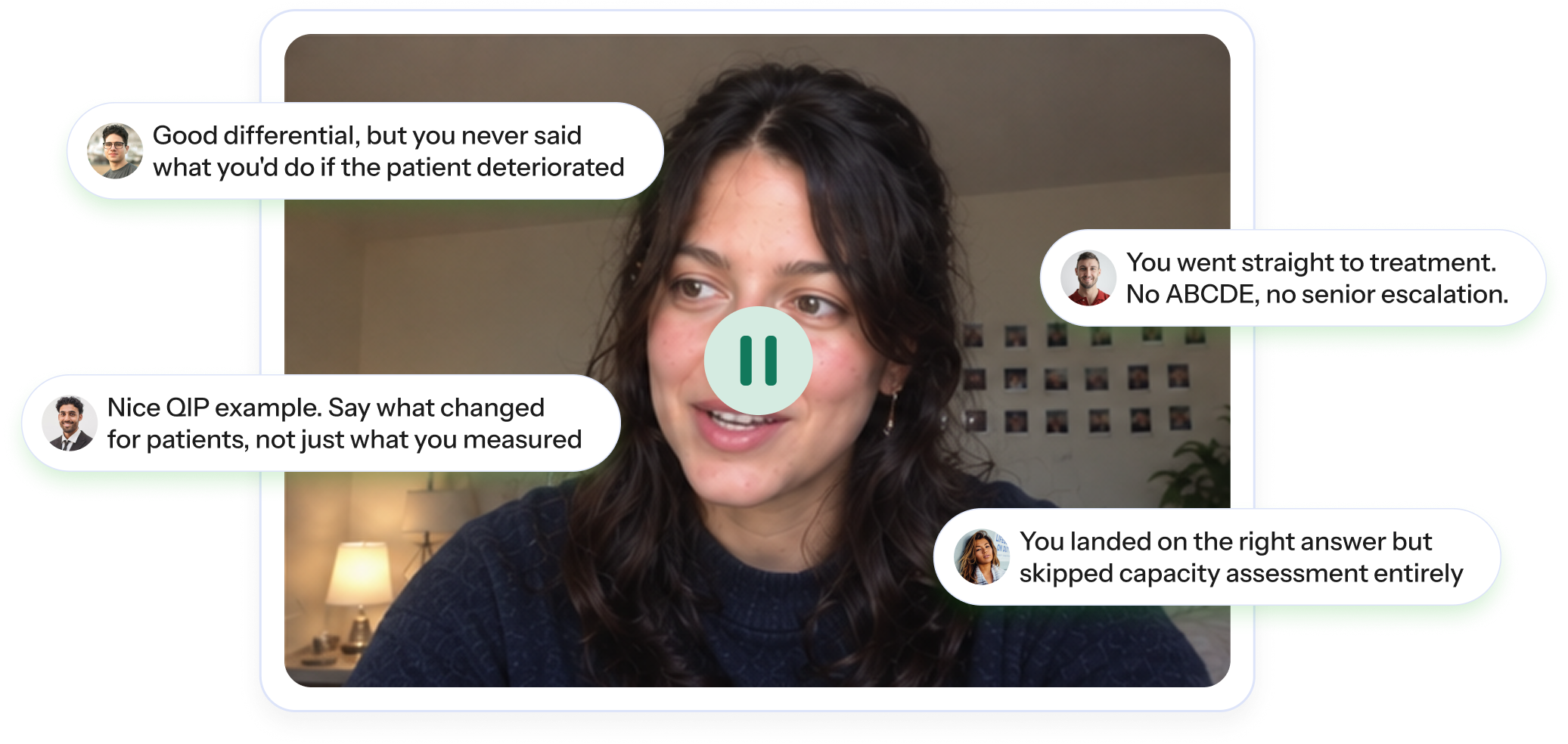
Peer FeedbackBeta

Reviewed by candidates across the platform

Submit your recorded mocks to candidates across the platform and get honest, varied feedback. Reviewing other people's mocks teaches you just as much.

The question bank, and other candidates to practise with, all in one platform.

Medical Oncology HST Revision Platform • €170

Gain access to 64 scenarios and over 260 model-answered questions across all five scored categories, and collaborate with other candidates through Study Groups, Live Mocks and Peer Feedback.
Get instant access
Part 1 • See the questions

The Medibuddy Medical Oncology HST Question Bank

The interview is marked out of 100 across five published categories, and the marks are not shared equally, so knowing where the points are and how to structure each answer is essential. That's why each of our 64 scenarios comes with a model answer, written to the RCPI selection criteria and Irish practice, so you know exactly how to approach every question the panel throws your way.
What's inside

What's included in the Medical Oncology HST Question Bank

There's nothing worse than getting to the interview and being handed a question you've never seen before. The panel scores you across five categories, from your CV and clinical knowledge to research, service development and your career plans, so the safest approach is to revise across all of them. We provide scenarios for every category, so you don't get caught out.

CV, career to date

11 scenarios and 33 questions. Why medical oncology and why train in Ireland, your career from intern to Registrar, what BST and the MRCPI have given you, and how you understand the four-year RCPI programme, built around the 500-word personal statement on the RCPI Structured CV.

Clinical Experience and Knowledge of Specialty

20 scenarios and 132 questions. Oncology emergencies as the on-call Specialist Registrar, from neutropenic sepsis, spinal cord compression, SVCO, hypercalcaemia and tumour lysis to immune-related adverse events and infusion reactions, alongside safe SACT prescribing, telephone triage, the major tumour sites, cancer of unknown primary, hereditary cancer, and specific populations including AYA, pregnancy and older adults.

Research, Audit and QI

10 scenarios and 30 questions. Your own research, audit, QI and publications, critical appraisal of an oncology trial, consent for trial participation, research ethics and regulation in Ireland, and Cancer Trials Ireland and the HRB National Cancer Clinical Trials Network.

Service development, leadership and teaching

10 scenarios and 31 questions. Leadership, teaching and running a safe service, with Irish anchors such as the National Cancer Strategy and its successor, the NCCP SACT Model of Care, rapid access clinic targets, NCCP policy work, and how new cancer drugs are approved and funded.

Professionalism and Career Progression Plans

13 scenarios and 42 questions. Breaking bad news, consent for SACT, capacity and advance healthcare directives under the Assisted Decision-Making (Capacity) Act, open disclosure after a chemotherapy error, palliative care, fertility preservation, industry relationships, and your plans across HST including a fellowship or OCPE year.
Reflecting how Medical Oncology HST is really assessed
Our scenarios and model answers follow the five interview categories and marks RCPI publishes for the 2027 intake, anchored to Irish cancer services, guidance and law.
Try it

Try an example Medical Oncology HST question

You are the first-year Specialist Registrar in Medical Oncology on call. A 58-year-old woman with metastatic bowel cancer rang the SOS line with fever and rigors ten days after cycle 2 of FOLFOX. The Acute Haematology Oncology Nursing Service triaged her red on the UKONS tool and she is now in the haematology-oncology day unit with a PICC line. Temperature 38.6°C, heart rate 112, BP 98/62 mmHg, respiratory rate 22, SpO2 95% on air.

How would you approach this?

Question
How would you assess this patient?
Example answer
This is neutropenic sepsis until proven otherwise, so I assess her at the bedside straight away and start treatment in parallel.
  • History: regimen, date of the last cycle, any G-CSF and any previous neutropenic episodes
  • Focus of infection: cough, dysuria, diarrhoea, mucositis, perianal pain, pain at the PICC site
  • Allergies, especially to penicillin, and recent antibiotics or steroids
  • Any documented escalation plan or advance healthcare directive
  • Examination: ABCDE, the early warning score and the sepsis screen under National Clinical Guideline No. 26
  • Perfusion: capillary refill, mental state, urine output
  • PICC exit site and track for erythema, tenderness or discharge
  • Mouth, chest, abdomen, skin and perineum; no digital rectal examination while neutropenic
  • Hydration, since 5-FU can cause severe diarrhoea
Question
What investigations would you send, and how do they fit with the timing of antibiotics?
Example answer
Cultures come first, but no investigation may push antibiotics beyond the first hour.
  • Before antibiotics, blood cultures: one peripheral set and one set from each PICC lumen, labelled by site
  • Venous blood gas with lactate
  • Bloods: FBC with differential, U&E, LFTs, CRP, magnesium, coagulation screen
  • Group and save if the platelet count is low
  • Source: urinalysis and urine culture
  • Chest X-ray
  • Sputum culture, and a viral respiratory PCR if she has respiratory symptoms
  • Stool culture and C. difficile toxin if she has diarrhoea
  • Swab of the PICC exit site if it is discharging
  • Timing: do not wait for the neutrophil count; fever within weeks of SACT is treated as neutropenic sepsis
Question
Her neutrophil count is 0.3 x10⁹/L and her lactate is 3.1 mmol/L. How would you manage her in the first hour?
Example answer
This is neutropenic sepsis with hypoperfusion, so it is time-critical and I tell my consultant now.
  • Antibiotics: empirical IV antibiotics within one hour of arrival under our local neutropenic sepsis policy (there is no national neutropenic sepsis guideline; NCG No. 26 sets the sepsis framework)
  • Typically piperacillin-tazobactam 4.5 g IV 6-hourly; many policies add gentamicin in shock
  • Penicillin allergy: the policy alternative, often meropenem if not severe
  • Resuscitation: 500 mL crystalloid bolus over 15 minutes, reassessing after each bolus
  • Aim for MAP 65 mmHg or more and urine output 0.5 mL/kg/hour; catheterise
  • Oxygen only if SpO2 falls below 94%
  • Escalation: repeat lactate within two hours; refer to ICU early if she stays hypotensive or it does not fall
Question
How would you risk-stratify her, and could she be managed as an outpatient?
Example answer
She is high risk on clinical grounds and needs admission; MASCC is for patients who are already stable.
  • MASCC score (maximum 26; 21 or more is low risk). Burden of illness: none or mild 5, moderate 3
  • No hypotension (systolic above 90 mmHg) 5
  • No COPD 4
  • Solid tumour or no previous fungal infection 4
  • No dehydration needing IV fluids 3
  • Outpatient at onset of fever 3
  • Age under 60 2
  • Applying it to her: she scores 18 to 21, depending on how burden of illness is judged
  • Her lactate of 3.1 mmol/L overrides any score; she stays on IV treatment
  • In a stable patient: a score of 21 or more allows early oral switch and discharge under local policy, with the SOS line as safety net
Question
Would you give her G-CSF?
Example answer
Not routinely: G-CSF is not standard treatment for established febrile neutropenia, but I discuss it with my consultant because she has high-risk features.
  • When to consider it (ESMO and ASCO international guidance): sepsis or hypotension
  • Pneumonia or invasive fungal infection
  • Neutrophils below 0.1 x10⁹/L, or neutropenia expected to last more than 10 days
  • Age over 65, or already in hospital when the fever began
  • For her: sepsis with a raised lactate is a high-risk feature, so daily filgrastim until neutrophil recovery is reasonable, recorded as a consultant decision
  • It shortens neutropenia and hospital stay but has not clearly been shown to improve survival
  • Warn her about bone pain
  • Not a substitute: G-CSF never delays or replaces antibiotics and resuscitation
Question
At 48 hours she is still febrile. The blood culture from the PICC lumen grows coagulase-negative staphylococci and the peripheral set is negative. How would you proceed?
Example answer
Persistent fever at 48 hours needs structured reassessment, and the culture points towards the line.
  • Reassess: re-examine her, including the PICC site, and repeat peripheral and lumen cultures
  • The line: a positive lumen with a negative peripheral set may be contamination; a differential time to positivity of two hours or more supports line infection
  • Add vancomycin, with levels, on microbiology advice and local policy
  • Remove the PICC if she is unstable, has a tunnel infection or cultures stay positive
  • Wider search: CT chest, abdomen and pelvis for an occult source
  • Fever beyond four to seven days with ongoing neutropenia: consider fungal infection, with high-resolution CT chest, galactomannan and empirical antifungal therapy
  • Continue antibiotics while she is febrile and neutropenic
Question
She recovers and is discharged. How does this episode change her SACT plan?
Example answer
A life-threatening episode on palliative treatment means I review the regimen with my consultant before the next cycle.
  • Before the next cycle: defer it until her neutrophils and platelets reach the thresholds in the NCCP regimen
  • Confirm diarrhoea and mucositis have resolved
  • Dose modification: reduce the doses per the NCCP regimen dose modification guidance, often omitting the 5-FU bolus and reducing infusional 5-FU and oxaliplatin
  • In palliative treatment, dose reduction is usually preferred to secondary G-CSF prophylaxis, which suits curative intent
  • If the toxicity was early and severe, check whether DPYD genotyping was done before the fluoropyrimidine
  • Safety net: record the episode and its CTCAE grade on NCIS
  • Remind her to ring the SOS line at the first sign of fever

That's one scenario. There are 63 more.

Medical Oncology HST Revision Platform • €170

Includes every scenario in the Question Bank, and access to Study Groups, Live Mocks with other candidates and Peer Feedback.
Get instant access
New for 2027

Built around the current interview structure

The Medical Oncology HST interview changes from year to year, and the biggest fear for any candidate is getting to interview day and realising you've revised with a question bank that doesn't match the format.

That's why this Question Bank is new for the 2027 interviews, built from the start around the current published RCPI interview structure and anchored to Irish practice, guidelines and law.

Our scenarios and model answers are aligned with the current interview structure, across all five scored categories, so you practise with the format the panel is using now.
New for 2027 interviews
Part 2 • Practise them live

The only interview resource where you can practise live with other candidates from across the country

Our Medical Oncology HST Question Bank tells you exactly how to answer real interview scenarios. But how you practise with them will determine how many marks you score. Simply reading answers off a screen won't prepare you for the intense scrutiny you'll face in the interview. And only practising with the same few colleagues or friends limits the amount of feedback you'll get. Medibuddy gives you unique access to Medical Oncology HST candidates across the country, so you can learn from a variety of perspectives and hear a far wider range of feedback than your own circle could ever give you.
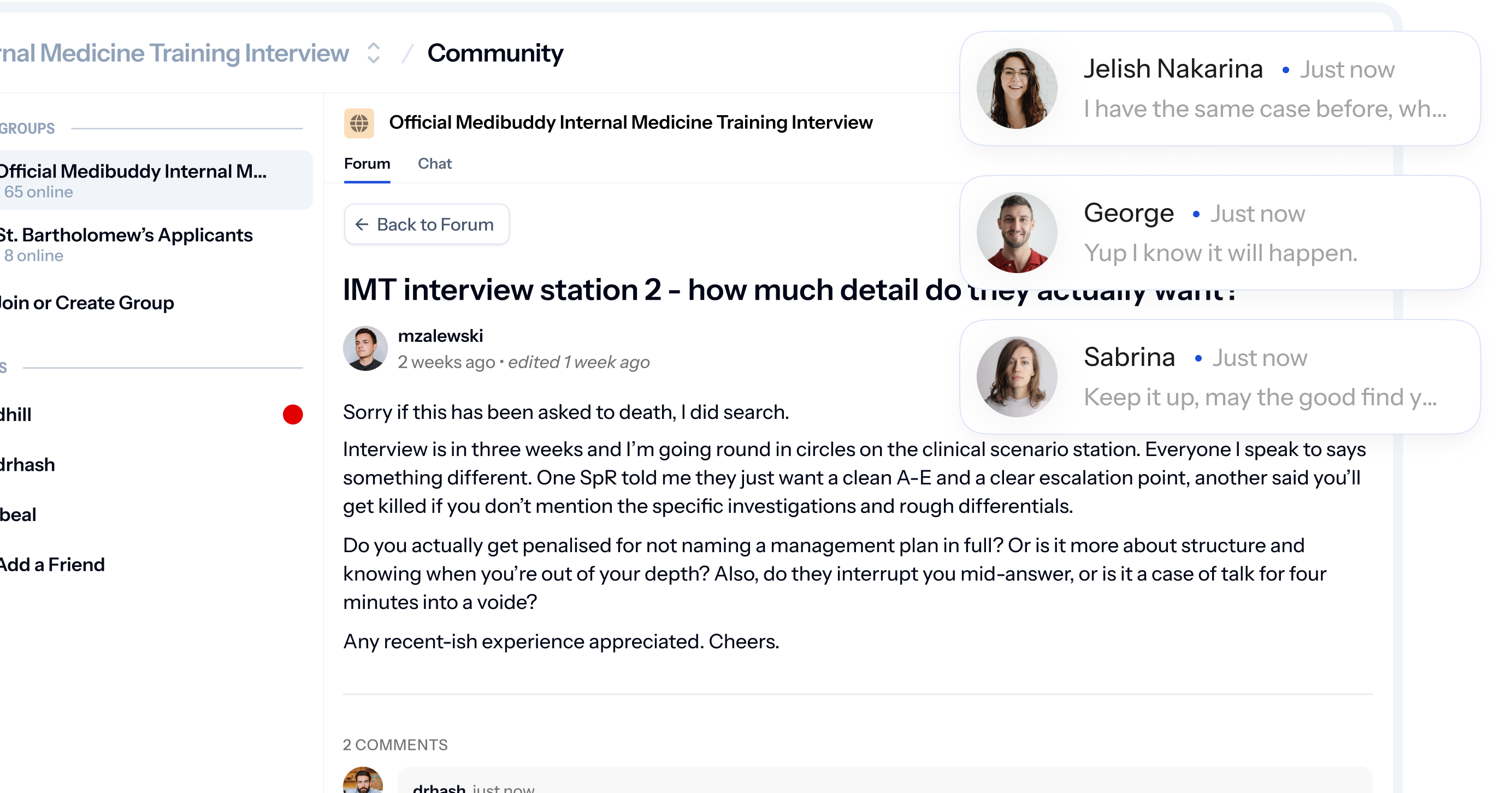
Study Groups
When you prepare in isolation, you're relying on your own interpretation of the interview process, which is one of the quickest ways to get found out on the day. Study Groups connect you with other doctors across the country who are also applying to Medical Oncology HST, so you can engage and network with people preparing for the same interview as you. Everyone brings different experience from different hospitals, meaning you won't ever miss out on the key bits of information that could swing the interview in your favour.
Live MocksBeta
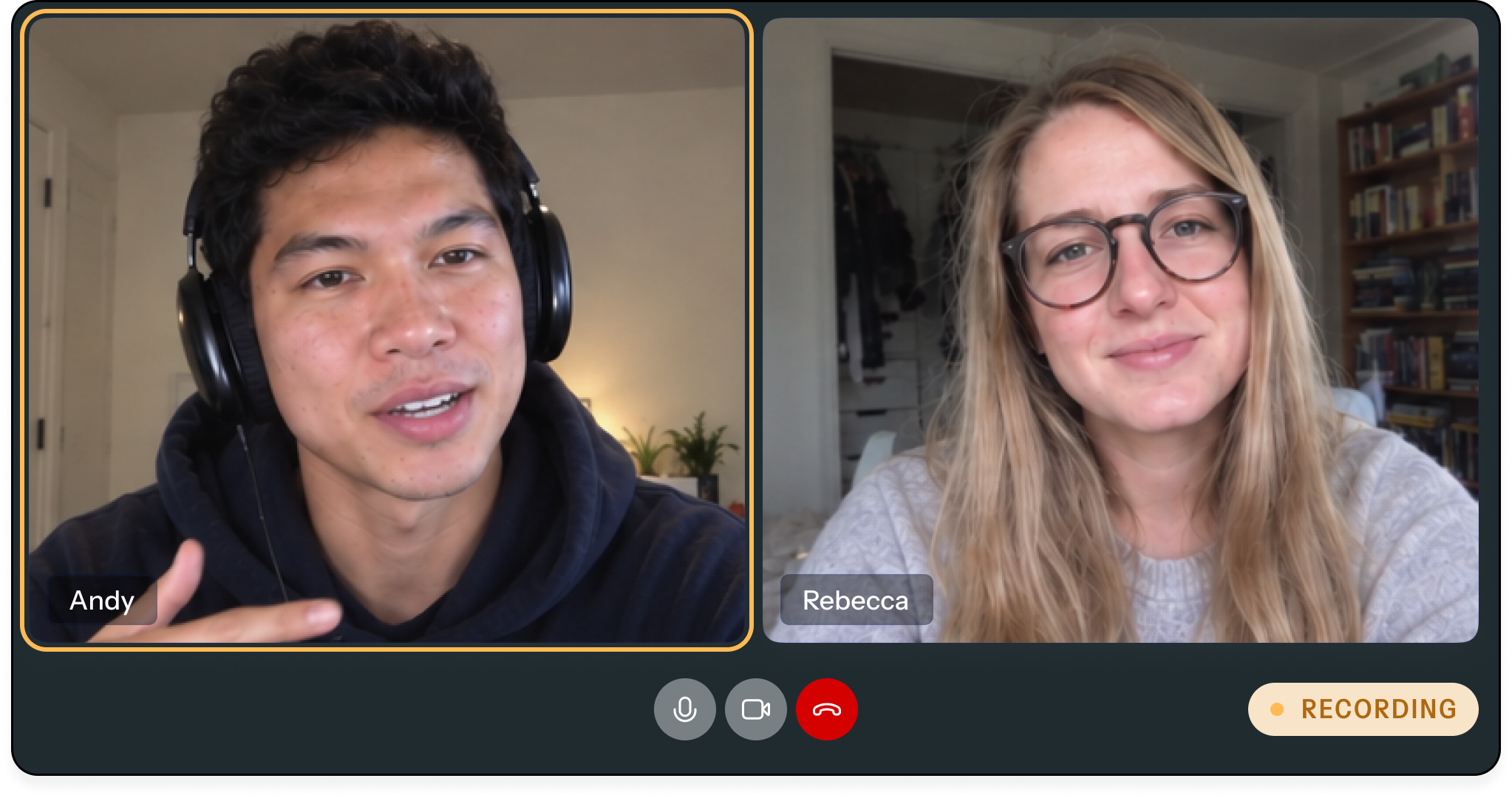
Candidates who don't take part in mocks often struggle to adapt to the pressure of the interview. Your knowledge might be correct, but without convincing delivery the interviewers will score you poorly. The best way to improve your delivery is to take part in as many live mocks as possible, which is why we haven't put a cap on how many you can do. We also know how difficult it can be to organise mocks with other people, so all you have to do is join the waiting room and we'll match you with a different Medical Oncology HST candidate each time. Take turns as both the interviewer and candidate on real Question Bank scenarios, so you can see exactly how other candidates perform in real time, while refining your own interview technique.
Peer FeedbackBeta
Preparing alone means you won't know how you're coming across during the interview. And preparing with the same few candidates means you'll miss opportunities to improve, which is why it's so important to get as many opinions as possible on your performance. With Medibuddy, you can record a mock and submit it for feedback from other candidates on the platform, so you receive a wider range of feedback and refine your answers with each person you practise with. Reviewing other people's mocks is just as valuable, as it shows you how strong candidates handle the same scenarios, which is one of the fastest ways to improve.
The interview

What to expect from the Medical Oncology HST interview

Higher Specialist Training in Medical Oncology is run by RCPI: a four-year, single-specialty programme with no general internal medicine component, entered after Basic Specialist Training in General Internal Medicine and the MRCPI. The 2027 HST Medical Oncology interview is in person on 1 March 2027, and RCPI publishes its interview criteria: five categories, scored out of 100.

Category

CV, career to date

Worth 25 marks. Your qualifications, undergraduate performance, awards, higher degrees and career to date. RCPI says the Structured CV, with its 500-word personal statement on your motivation for medical oncology and your long-term goals, is used in preparation for the interview, so expect the panel to probe it.
Category

Clinical Experience and Knowledge of Specialty

Worth 25 marks. Your clinical experience and exposure relevant to medical oncology, and your knowledge of the specialty. RCPI does not say whether this is examined with clinical scenarios, so our bank prepares you for both: talking through your own cases, and managing oncology emergencies and SACT problems as the Specialist Registrar.
Category

Research, Audit and QI

Worth 15 marks. Your research, audit and quality improvement: what you did, your role, what changed and what you learned. Be ready to discuss trial methodology, research governance and the clinical trials landscape in Ireland.
Category

Service development, leadership and teaching

Worth 15 marks. Management and service development, leadership and teaching, scored together. Show that you understand how cancer services and SACT are organised and funded in Ireland, and how you would lead, teach and improve the service safely.
Category

Professionalism and Career Progression Plans

Worth 20 marks. Professionalism, interview performance and your career progression plans. Expect ethical and communication scenarios grounded in the Medical Council Guide and Irish law, and a clear plan for your four years of HST.

How the interview is scored

The interview is scored out of 100: 25 marks each for your CV and clinical experience and knowledge, 15 each for research, audit and QI and for management, leadership and teaching, and 20 for professionalism and career plans. Shortlisting is scored separately, out of 30, on your qualifications, clinical practice, publications and research, leadership and audit, and teaching. RCPI does not publish the number of stations, their duration or how the two scores combine. Our model answers are structured against the published categories, so you know what a strong, well-organised answer looks like in each one.
Get ready

How to prepare for the Medical Oncology HST interview

Start with the Question Bank

Work through 64 scenarios across all five scored categories, each with a model answer. Start by reading how a strong answer is formed, then think about how you'd deliver it.

Talk the hard ones through in Study Groups

Study Groups are your biggest opportunity to network and connect with other candidates sitting the same interview as you. Everyone on the platform is in the same boat, so don't be scared to get involved and ask questions. Someone in your study group might just help you work through a scenario you've been struggling with.

Rehearse out loud in Live Mocks

Live mocks are where you begin to put everything you've learned into practice, and we know from experience that those who practise with a wide range of candidates usually do the best. Organise mocks with people from one of your study groups, or get matched with a random Medical Oncology HST candidate, then take turns as interviewer and candidate using real scenarios until answering out loud under pressure feels normal.

Get reviewed with Peer Feedback before the day

Once you've recorded a mock, you can have other community members review it. This lets you see how you come across to other people, and gives you time to refine your delivery as you revise, rather than being caught out on the day. Reviewing other people's mocks is just as crucial, as you see how other candidates navigate the same scenarios.
Questions

Frequently asked questions

What does the Medical Oncology HST interview involve?
An in-person interview, on 1 March 2027 for the 2027 intake, scored out of 100 across five categories: CV and career to date (25), clinical experience and knowledge of the specialty (25), research, audit and QI (15), management, leadership and teaching (15), and professionalism and career progression plans (20). There is no general internal medicine category, as Medical Oncology is a single-specialty programme. Our scenarios and model answers cover all five categories.
How competitive is the Medical Oncology HST interview?
Competitive, with a small intake each year. RCPI does not publish the number of 2027 posts, but the most recent national workforce report counted 39 medical oncology HST trainees in 2025/26, just 9 of them in year 1, which is why a structured, well-rehearsed approach matters.
Who writes the model answers?
Written by our team of medical writers and reviewed against the current RCPI selection criteria and Irish guidance.
Can I practise with other candidates?
Yes. Every Revision Platform purchase gives you the opportunity to connect with other candidates through Study Groups, Live Mocks and Peer Feedback.
How do the Live Mocks work?
All you have to do is join the waiting room, and we match you with another Medical Oncology HST candidate. You then take turns as interviewer and candidate on real Question Bank scenarios, so you gain experience answering out loud to a real person before you ever sit in front of the panel.
What are Study Groups and how do they help?
Study Groups are community forums for doctors across the country preparing for the same Medical Oncology HST interview. You can ask questions, share what you're struggling with, and compare how you'd approach a scenario.
Can I get feedback on my interview performance?
Yes. After you've recorded a mock, you can ask other members to review it, so you can see which part of your answer needs fine-tuning.
How long do I get access for?
Access runs for 12 months from the purchase date.

Start preparing for the Medical Oncology HST interview

The Revision Platform gives you 64 scenarios and over 260 model-answered questions to practise and refine with other candidates through Study Groups, Live Mocks and Peer Feedback.

Medical Oncology HST Revision Platform • €170

Buy Now