Ireland BST Paediatrics Interview Question Bank – Medibuddy Ireland
Paediatrics BST • Ireland

The Paediatrics BST Interview Revision Platform: Question Bank, Live Practice and Mocks with Other Candidates

The Medibuddy Paediatrics BST Question Bank includes over 35 scenarios that closely mirror the real interview, each with a model answer written and edited by high-scoring candidates who sat the Paediatrics BST interview.

However, knowing a strong answer isn't the same as delivering it well under pressure, which is why we provide:

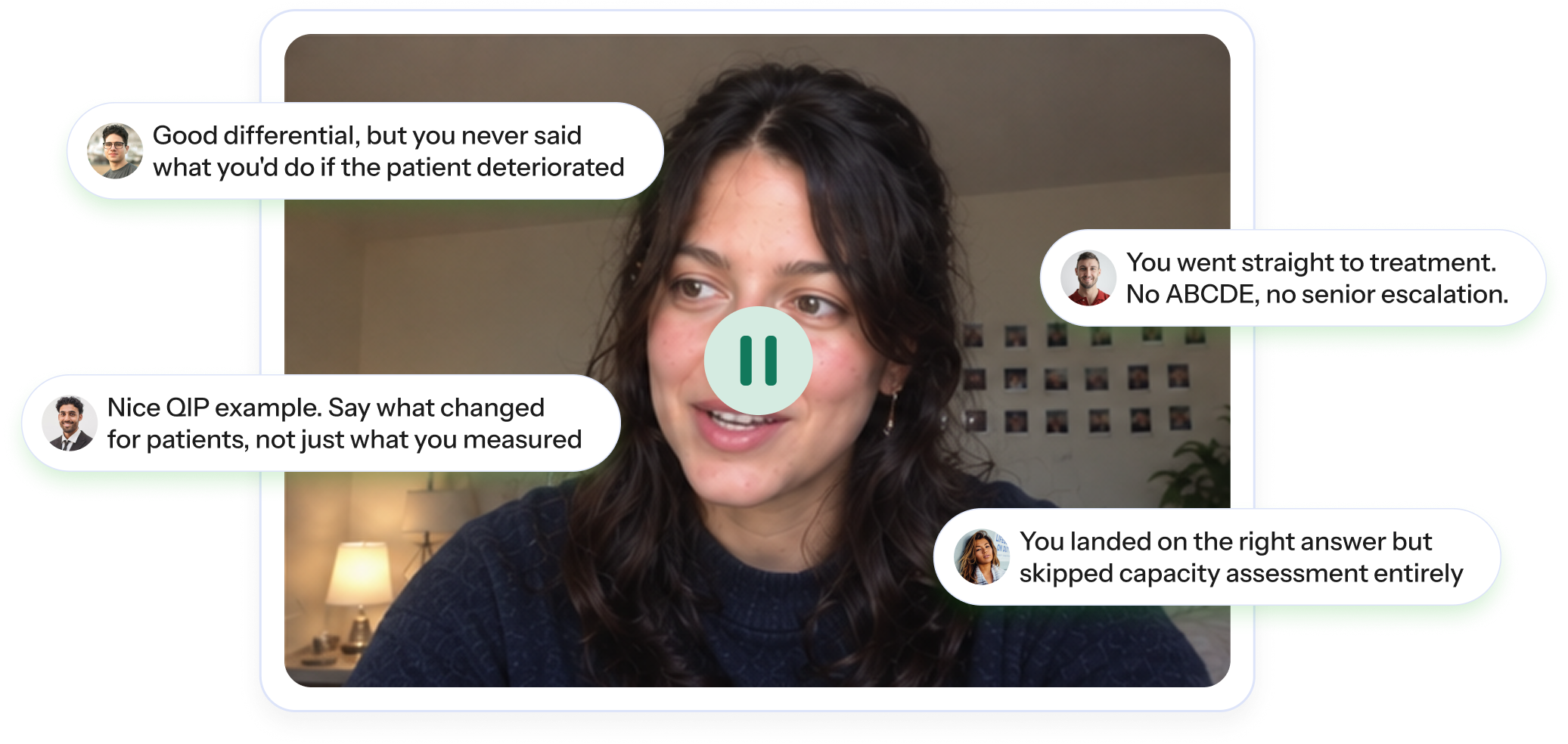
Preparing doctors for interviews

Users of the Medibuddy Paediatrics BST Revision Platform have secured competitive training places in recent rounds. Ask around, there's a good chance the trainees in the year above you used us too.

Always up to date

Did you know the interviews change from year to year? That's why we review and update every Question Bank on the platform regularly, so you know you're always practising with scenarios based on the latest interview structure.

Network and practise real interview scenarios with other candidates

Question Bank

See every scenario, and how to answer it well

Over 35 scenarios across every interview theme, which tell you exactly how to respond to each question.
Study Groups

Connect with candidates across the country
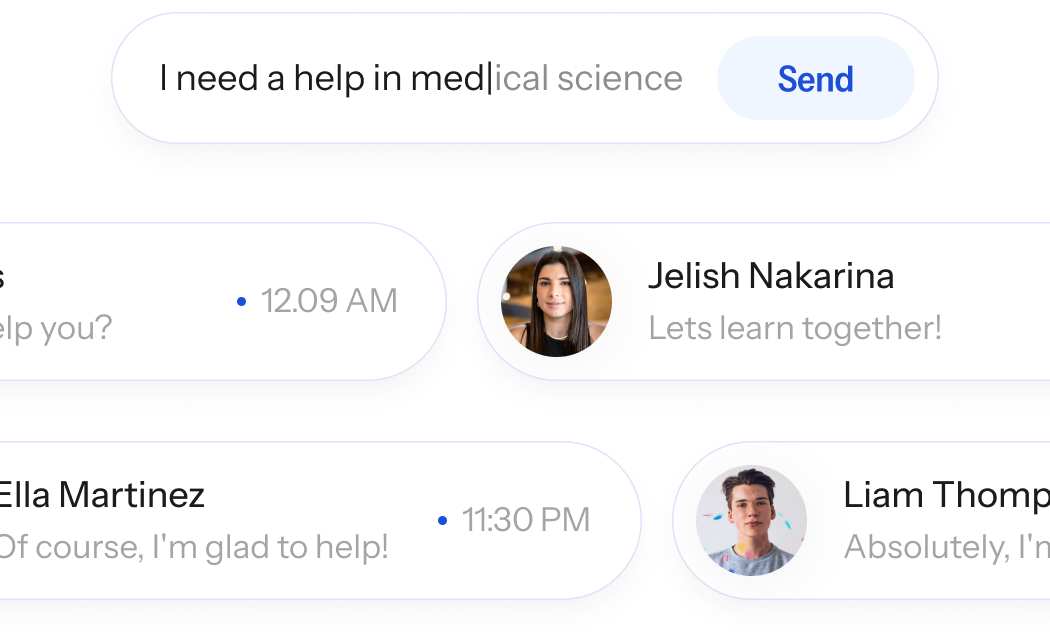
Most people only ever practise with one or two friends. Study Groups connect you with candidates right across the country sitting the same Paediatrics BST interview.
Live MocksBeta

Practise interview technique with different candidates
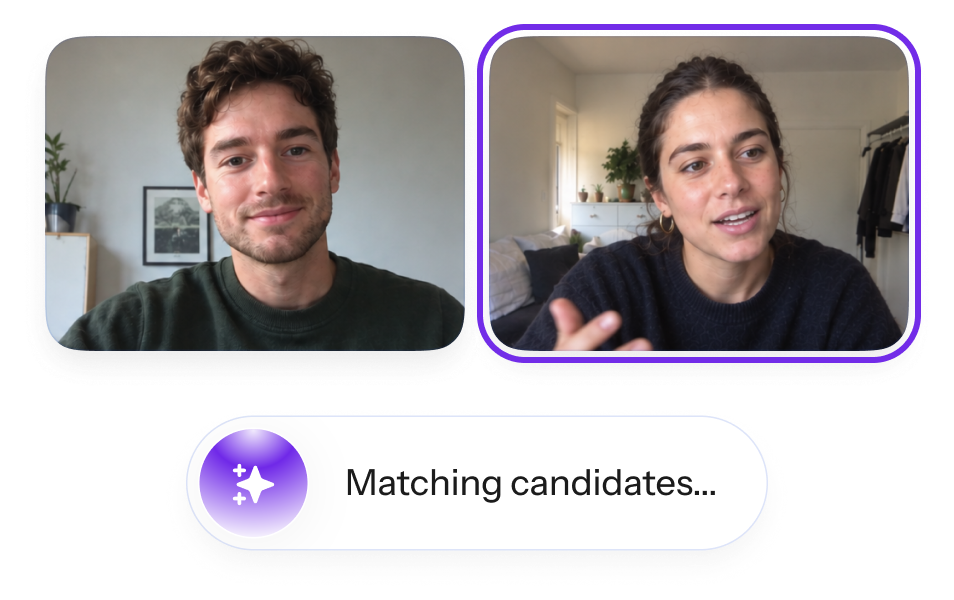
Arrange or get matched on demand with other candidates and run real scenarios out loud under interview conditions. Those who practise with the widest range of people tend to score the highest.
Peer FeedbackBeta

Reviewed by candidates across the platform
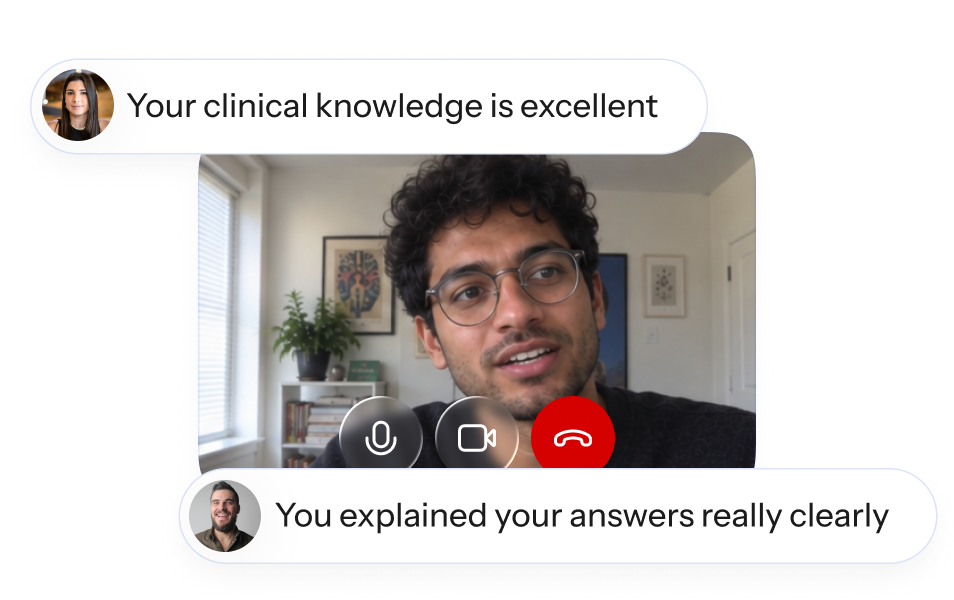
Submit your recorded mocks to candidates across the platform and get honest, varied feedback. Reviewing other people's mocks teaches you just as much.

The question bank, and other candidates to practise with, all in one platform.

Paediatrics BST Revision Platform • €105

Gain access to over 35 scenarios across every theme, and collaborate with other candidates through Study Groups, Live Mocks and Peer Feedback.
Get instant access
What candidates say

Scored well, secured their post

A few of the candidates who prepared with us for the Paediatrics BST interview.

Verified candidateInterviewed 2026
"The clinical scenarios were pitched exactly right. Having a clear structure ready meant I could work through a sick child calmly under pressure."
Secured first-choice post
Verified candidateInterviewed 2026
"Practising the motivation and professionalism questions out loud with other candidates was the single most useful thing I did before the day."
Ranked highly
Part 1 • See the questions

The Medibuddy Paediatrics BST Question Bank

The interview is tightly timed, so you have a limited window to deliver the high-scoring answers you need to do well. That means every point has to land, and knowing how to structure each answer is essential. That's why each of our 35-plus scenarios comes with a model answer, written by candidates who scored highly in the Paediatrics BST interview, so you know exactly how to approach every question the interviewers throw your way.
What's inside

What's included in the Paediatrics BST Question Bank

There's nothing worse than getting to the interview and being handed a scenario you've never seen before. The panel draws on clinical, professionalism, academic and suitability themes, as well as your understanding of paediatrics in Ireland, so the safest approach is to revise across all of them. We provide scenarios for every part of the interview, including the common ones and the more unusual cases that have come up before, so you don't get caught out.

Clinical Acumen

Paediatric scenarios and emergencies where you play the SHO: assess, reason and manage safely, each with a worked answer showing how to structure your response, follow national paediatric guidance and know when to escalate.

Professionalism

Realistic situations covering ethics, safeguarding, consent, confidentiality, open disclosure and working within a team, with structured model answers built on clear principles.

Academic Achievements & Enthusiasm

Your chance to build on your portfolio and show your motivation for Paediatrics, your achievements and your suitability for training, with example questions and model answers.

Understanding of the Paediatric Landscape of Ireland

Questions on how paediatric training and services are organised in Ireland, with model answers so you can speak about the pathway with confidence.
Reflecting how Paediatrics BST is really assessed
Our scenarios and model answers are written to reflect the current interview structure, across the clinical, professionalism, academic and suitability themes.
Try it

Try an example Paediatrics BST question

You are the Paediatrics BST SHO in the Emergency Department. You are asked to see Thomas, a 9-year-old boy brought in by his mother with a two-day history of tummy ache and vomiting.

On further questioning, he has been drinking far more than usual and passing urine frequently. He was previously well, and his mother is understandably very anxious.

On your initial look he is alert but unwell, breathing deeply and quickly, and looks dehydrated. His venous gas shows pH 7.24, bicarbonate 13 mmol/L and blood ketones 4 mmol/L.

How would you approach this?

Question
How would you approach Thomas in the first few minutes?
Example answer
The history of thirst, polyuria, vomiting and deep, rapid breathing points to diabetic ketoacidosis, and the priority is a structured assessment alongside early senior help.
  • Call for help early: this is a potential paediatric emergency, so I would alert my Registrar and the nursing team and follow the National Clinical Guideline for the management of paediatric DKA.
  • An A to E assessment: secure the airway, give high-flow oxygen if he is compromised, and check his respiratory rate, oxygen saturations and effort.
  • Assess his circulation: heart rate, capillary refill, blood pressure and degree of dehydration, and gain intravenous access.
  • Check a bedside glucose, blood ketones and venous gas, and a brief AVPU or GCS, as a reduced conscious level is a red flag.
  • Use an accurate weight, as every fluid and insulin calculation depends on it.
Question
What confirms the diagnosis, and how would you assess severity?
Example answer
DKA is defined by the combination of acidosis, ketosis and hyperglycaemia, and his gas already fits that picture.
  • Diagnosis: pH below 7.3 or bicarbonate below 18 mmol/L, blood ketones above 3 mmol/L, and a raised blood glucose. His pH of 7.24, bicarbonate of 13 and ketones of 4 confirm DKA.
  • Severity is graded on the pH and bicarbonate, which guides how much fluid deficit I assume when I calculate his replacement.
  • Send formal bloods: glucose, urea and electrolytes, venous gas and ketones, and consider an infection screen if there is a trigger.
  • This looks like a first presentation of type 1 diabetes, and almost a quarter of new diagnoses present in DKA, so I would keep that in mind for his later care and counselling.
Question
How would you manage his DKA?
Example answer
I would manage him on the national DKA pathway, with close monitoring and senior input throughout.
  • Fluids first: if he shows any sign of shock, a 10 ml/kg bolus of 0.9% saline and reassess; otherwise replace the estimated deficit over 48 hours alongside maintenance fluids.
  • Insulin is started one to two hours after fluids begin, as a fixed-rate infusion, never as a bolus.
  • Add potassium to the fluids once he has passed urine and his level is known, because potassium falls rapidly once insulin starts.
  • He needs close monitoring, likely in an HDU or PICU setting, with hourly glucose, ketones, neurological observations and fluid balance.
Question
An hour in, Thomas develops a headache and becomes drowsy. What are you worried about, and what do you do?
Example answer
My immediate concern is cerebral oedema, the most dangerous complication of paediatric DKA, and this needs senior help at the bedside straight away.
  • Call for help immediately: the Registrar and Consultant on call, and involve PICU early.
  • Reassess with an A to E approach, check his neurological observations and glucose, and adjust the fluid rate as directed by the guideline.
  • Treatment is time-critical: hypertonic saline or mannitol as per the pathway, with urgent senior and PICU involvement.
  • Throughout, I would keep Thomas's mother informed in clear language, acknowledge how frightening this is, and make time to answer her questions once he is stable, which is part of being a good paediatrician.

That's one scenario. There are over 35 more.

Paediatrics BST Revision Platform • €105

Includes every scenario in the Question Bank, and access to Study Groups, Live Mocks with other candidates and Peer Feedback.
Get instant access
Actively maintained

How we keep our Question Banks up to date

The Paediatrics BST interview changes from year to year, and the biggest fear for any candidate is getting to interview day and realising you've revised with a question bank that's totally outdated.

That's why we review and update every Question Bank regularly, so you know you're revising with scenarios that are likely to come up, aligned with current Irish paediatric guidance and the BST recruitment process.

Our scenarios and model answers are kept aligned with the current interview structure, across the clinical, professionalism, academic and suitability themes, so you always practise with the format the panel is using now.
Updated for the latest interviews
Part 2 • Practise them live

The only interview resource where you can practise live with other candidates from across the country

Our Paediatrics BST Question Bank tells you exactly how to answer real interview scenarios. But how you practise with them will determine how many marks you score. Simply reading answers off a screen won't prepare you for the intense scrutiny you'll face in the interview. And only practising with the same few colleagues or friends limits the amount of feedback you'll get. Medibuddy gives you unique access to Paediatrics BST candidates across the country, so you can learn from a variety of perspectives and hear a far wider range of feedback than your own circle could ever give you.
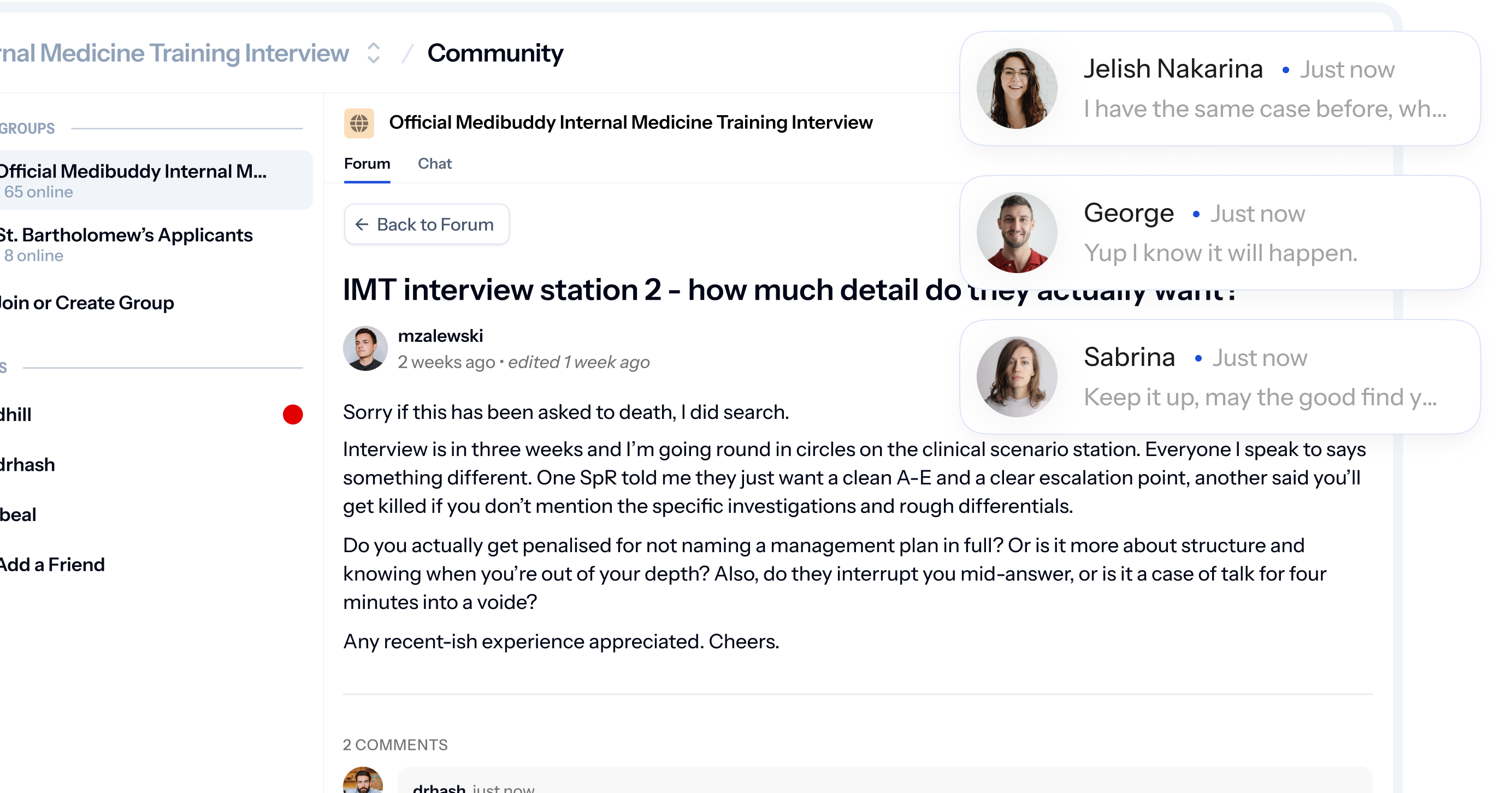
Study Groups
When you prepare in isolation, you're relying on your own interpretation of the interview process, which is one of the quickest ways to get found out on the day. Study Groups connect you with other doctors across the country who are also applying to Paediatrics BST, so you can engage and network with people preparing for the same interview as you. Everyone brings different experience from different hospitals, meaning you won't ever miss out on the key bits of information that could swing the interview in your favour.
Live MocksBeta
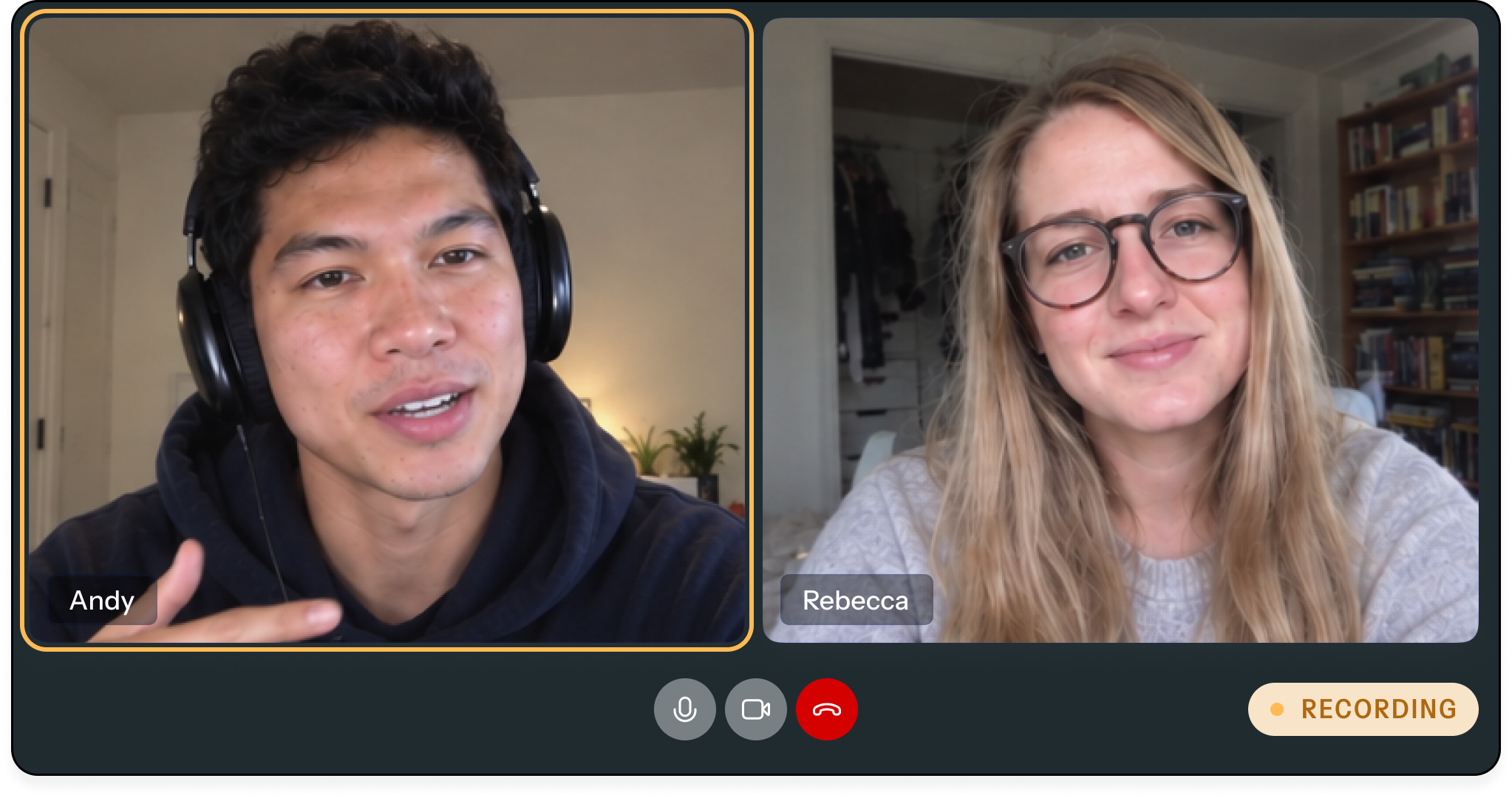
Candidates who don't take part in mocks often struggle to adapt to the pressure of the interview. Your knowledge might be correct, but without convincing delivery the interviewers will score you poorly. The best way to improve your delivery is to take part in as many live mocks as possible, which is why we haven't put a cap on how many you can do. We also know how difficult it can be to organise mocks with other people, so all you have to do is join the waiting room and we'll match you with a different Paediatrics BST candidate each time. Take turns as both the interviewer and candidate on real Question Bank scenarios, so you can see exactly how other candidates perform in real time, while refining your own interview technique.
Peer FeedbackBeta
Preparing alone means you won't know how you're coming across during the interview. And preparing with the same few candidates means you'll miss opportunities to improve, which is why it's so important to get as many opinions as possible on your performance. With Medibuddy, you can record a mock and submit it for feedback from other candidates on the platform, so you receive a wider range of feedback and refine your answers with each person you practise with. Reviewing other people's mocks is just as valuable, as it shows you how strong candidates handle the same scenarios, which is one of the fastest ways to improve.
The interview

What to expect from the Paediatrics BST interview

Paediatrics is a competitive BST specialty, and strong applicants are often separated by narrow margins at interview.

Theme

Clinical Acumen

Paediatric scenarios that assess your clinical judgement and safe, structured management as the SHO. Start with a safe, systematic A to E approach before moving to more specific management, follow national paediatric guidance, and be ready to explain when you would escalate.
Theme

Professionalism

Situations covering ethics, safeguarding, consent, confidentiality, open disclosure and teamwork. Explain your reasoning, refer to relevant guidance, and show how you would handle the situation safely and professionally.
Theme

Academic Achievements & Enthusiasm

Questions on your motivation for Paediatrics, your achievements and your suitability for training. Go beyond listing achievements and show how your experience demonstrates your commitment to the specialty.
Theme

Understanding of the Paediatric Landscape of Ireland

Questions on how paediatric training and services are structured in Ireland. Show that you understand the pathway you are applying to and the context you will be working in.

How the interview is scored

The interview is marked against the Paediatrics BST person specification. Our model answers are structured against those criteria, so you know exactly what a strong, well-organised answer looks like across each theme.
Get ready

How to prepare for the Paediatrics BST interview

Start with the Question Bank

Work through over 35 scenarios across every theme, each with a worked answer from a candidate who scored well in the interview. Start by reading how a strong answer is formed, then think about how you'd deliver it.

Talk the hard ones through in Study Groups

Study Groups are your biggest opportunity to network and connect with other candidates sitting the same interview as you. Everyone on the platform is in the same boat, so don't be scared to get involved and ask questions. Someone in your study group might just help you work through a scenario you've been struggling with.

Rehearse out loud in Live Mocks

Live mocks are where you begin to put everything you've learned into practice, and we know from experience that those who practise with a wide range of candidates usually do the best. Organise mocks with people from one of your study groups, or get matched with a random Paediatrics BST candidate, then take turns as interviewer and candidate using real scenarios until answering out loud under pressure feels normal.

Get reviewed with Peer Feedback before the day

Once you've recorded a mock, you can have other community members review it. This lets you see how you come across to other people, and gives you time to refine your delivery as you revise, rather than being caught out on the day. Reviewing other people's mocks is just as crucial, as you see how other candidates navigate the same scenarios.
Questions

Frequently asked questions

What does the Paediatrics BST interview involve?
A structured interview assessing several themes: Clinical Acumen, Professionalism, Academic Achievements, Enthusiasm and Suitability, and your Understanding of the Paediatric Landscape of Ireland. Our scenarios and model answers cover each theme so you know how to structure a strong response.
How competitive is the Paediatrics BST interview?
Competitive. Strong candidates are frequently separated by small margins at interview, which is why a structured, well-rehearsed approach matters.
Who writes the model answers?
High-scoring candidates who sat the Paediatrics BST interview, so the answers reflect what came up and what scored.
Can I practise with other candidates?
Yes. Every Revision Platform purchase gives you the opportunity to connect with other candidates through Study Groups, Live Mocks and Peer Feedback.
How do the Live Mocks work?
All you have to do is join the waiting room, and we match you with another Paediatrics BST candidate. You then take turns as interviewer and candidate on real Question Bank scenarios, so you gain experience answering out loud to a real person before you ever sit in front of the panel.
What are Study Groups and how do they help?
Study Groups are community forums for doctors across the country preparing for the same Paediatrics BST interview. You can ask questions, share what you're struggling with, and compare how you'd approach a scenario.
Can I get feedback on my interview performance?
Yes. After you've recorded a mock, you can ask other members to review it, so you can see which part of your answer needs fine-tuning.
How long do I get access for?
Access runs for 12 months from the purchase date.

Start preparing for the Paediatrics BST interview

The Revision Platform gives you over 35 scenarios to practise and refine with other candidates through Study Groups, Live Mocks and Peer Feedback.

Paediatrics BST Revision Platform • €105

Buy Now