Plastic, Reconstructive and Aesthetic Surgery • Ireland

The 2027 Plastic, Reconstructive and Aesthetic Surgery Interview Revision Platform: Question Bank, Live Practice and Mocks with Other Candidates

The Medibuddy Question Bank for Plastic, Reconstructive and Aesthetic Surgery includes 50 scenarios and over 210 questions built around the real interview, across all five scored stations, each with a model answer written to the RCSI selection criteria and Irish practice.

However, knowing a strong answer isn't the same as delivering it well under pressure, which is why we provide:

Preparing doctors for interviews for 10 years

Medibuddy has spent 10 years helping doctors prepare for competitive specialty interviews. Our Question Bank brings that experience to the RCSI Higher Surgical Training interview in Plastic, Reconstructive and Aesthetic Surgery.

Built for the current interview

Did you know the interviews change from year to year? For the 2027 intake, RCSI raised Decision Making in Surgery to 120 marks on the Pathway and made it a mandatory pass station. This bank is new for the 2027 interviews and built around that current structure.

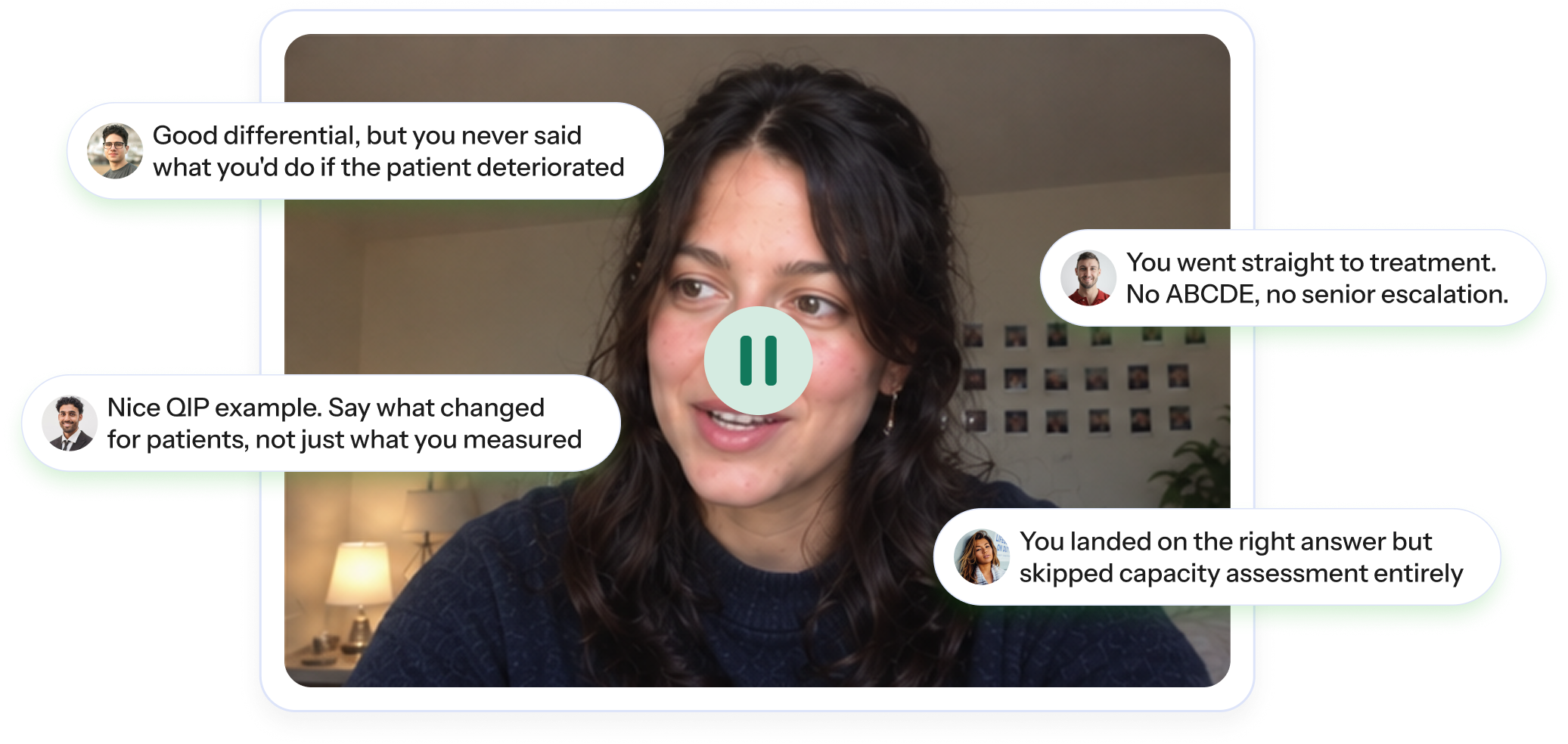
Network and practise real interview scenarios with other candidates

Question Bank

See every scenario, and how to answer it well

50 scenarios across all five scored stations, each with a model answer that tells you exactly how to respond to every question.
Study Groups

Connect with candidates across the country
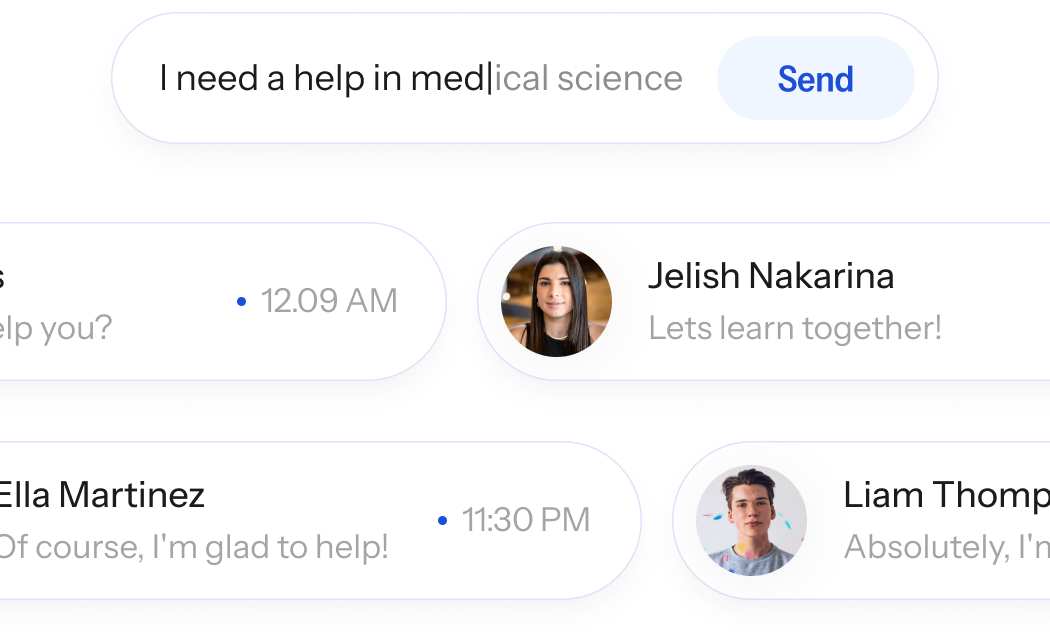
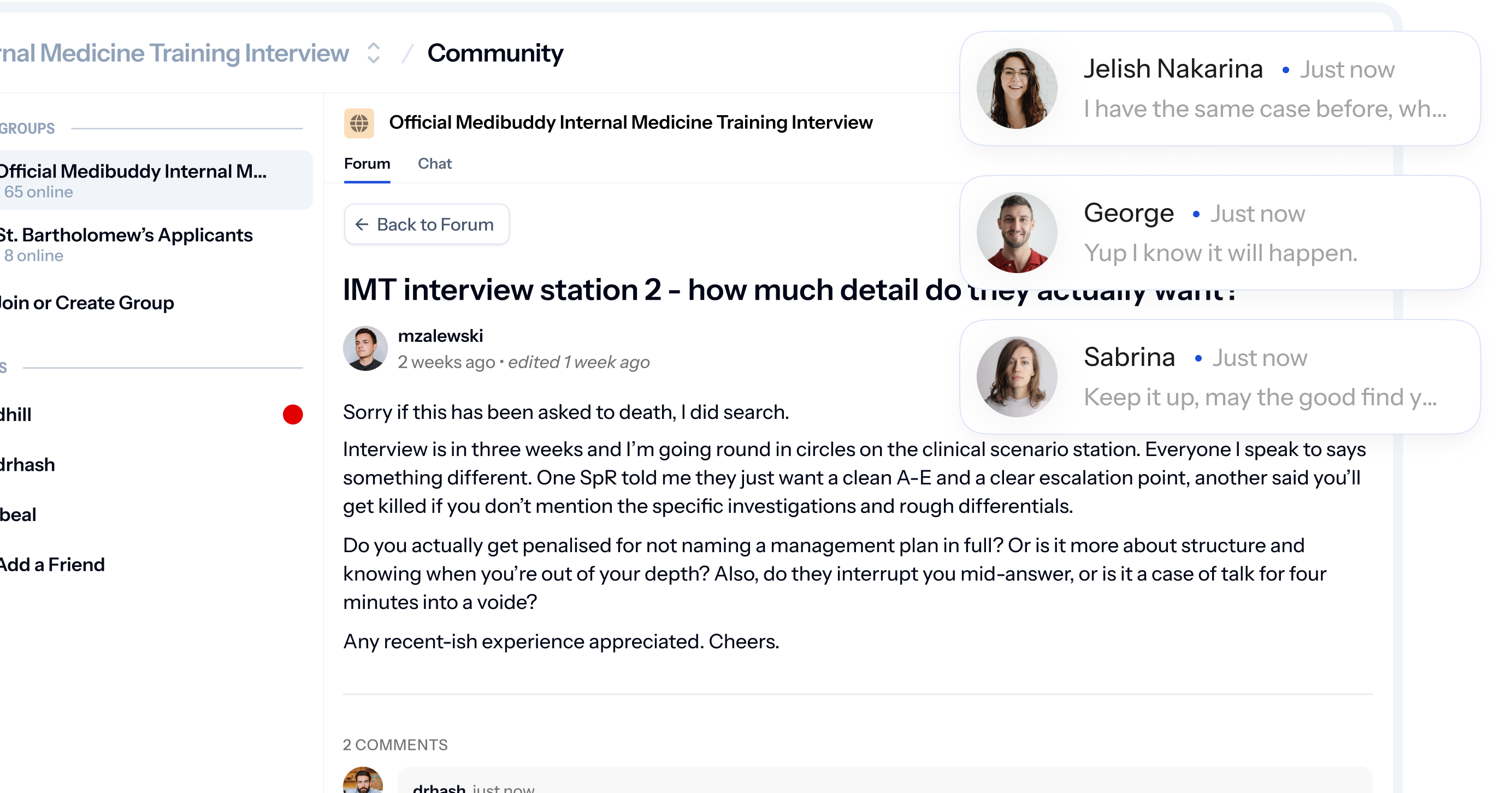
Most people only ever practise with one or two friends. Study Groups connect you with candidates right across the country sitting the same Plastic, Reconstructive and Aesthetic Surgery interview.
Live MocksBeta

Practise interview technique with different candidates
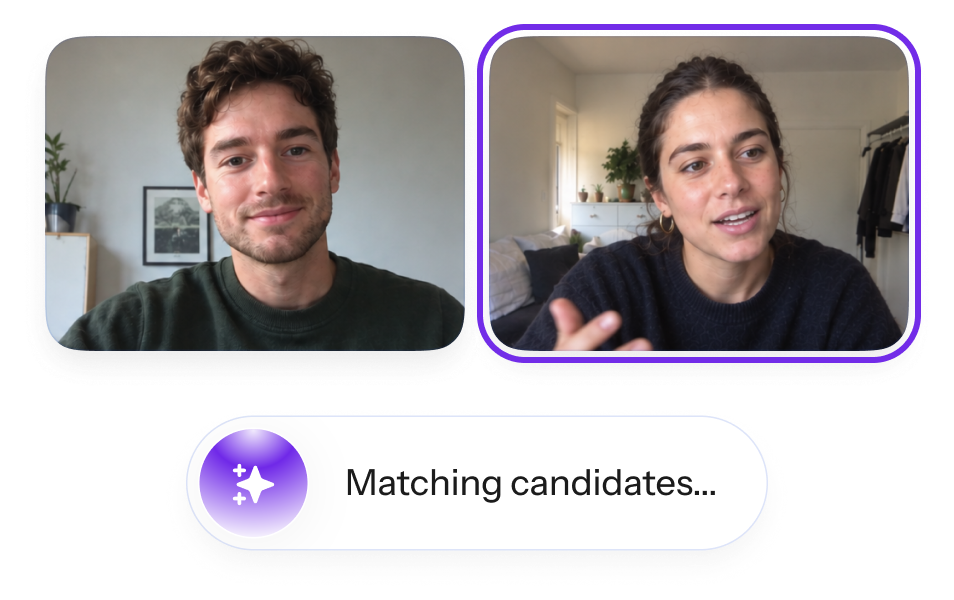
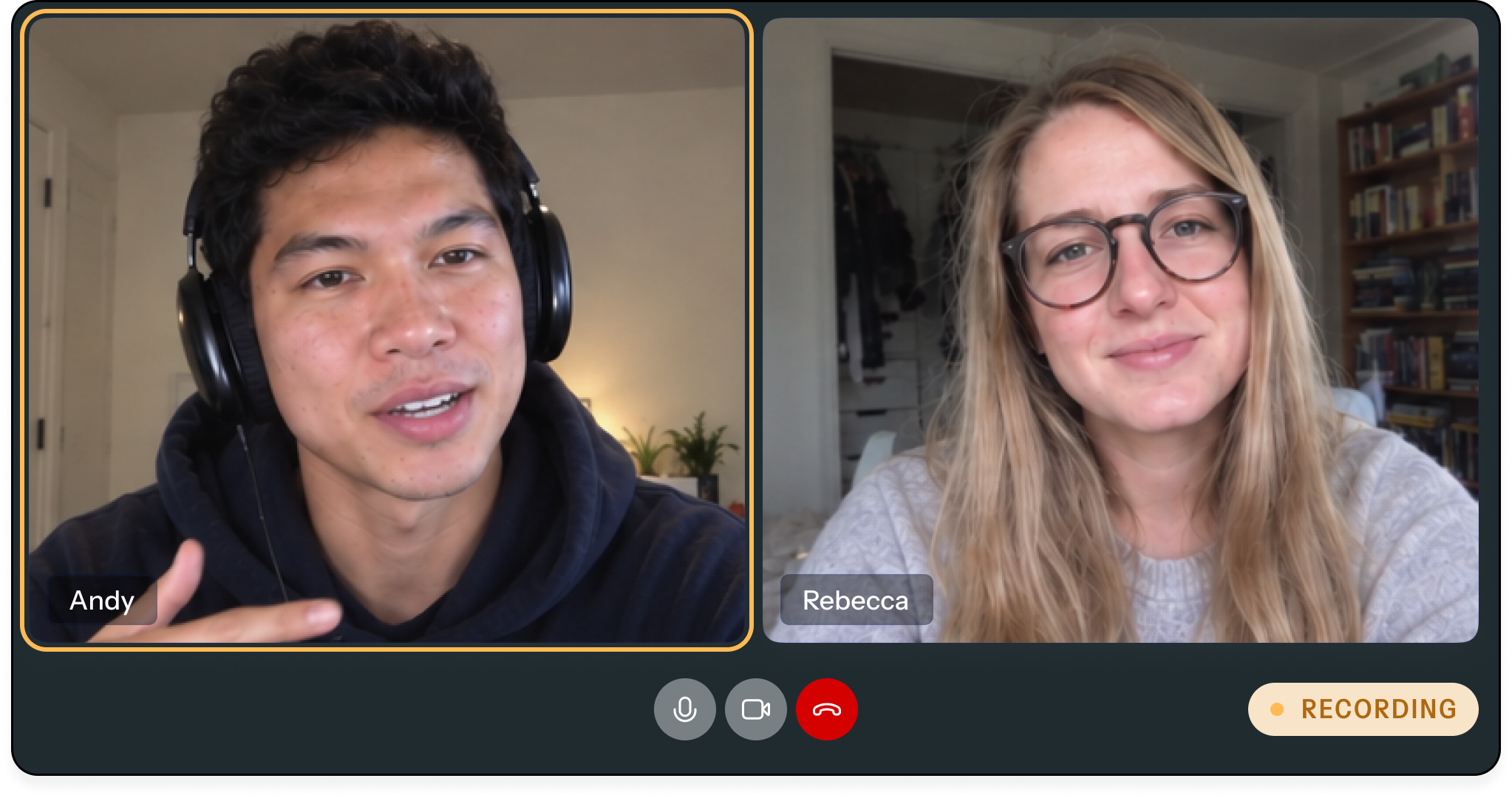
Arrange or get matched on demand with other candidates and run real scenarios out loud under interview conditions. Those who practise with the widest range of people tend to score the highest.
Peer FeedbackBeta

Reviewed by candidates across the platform
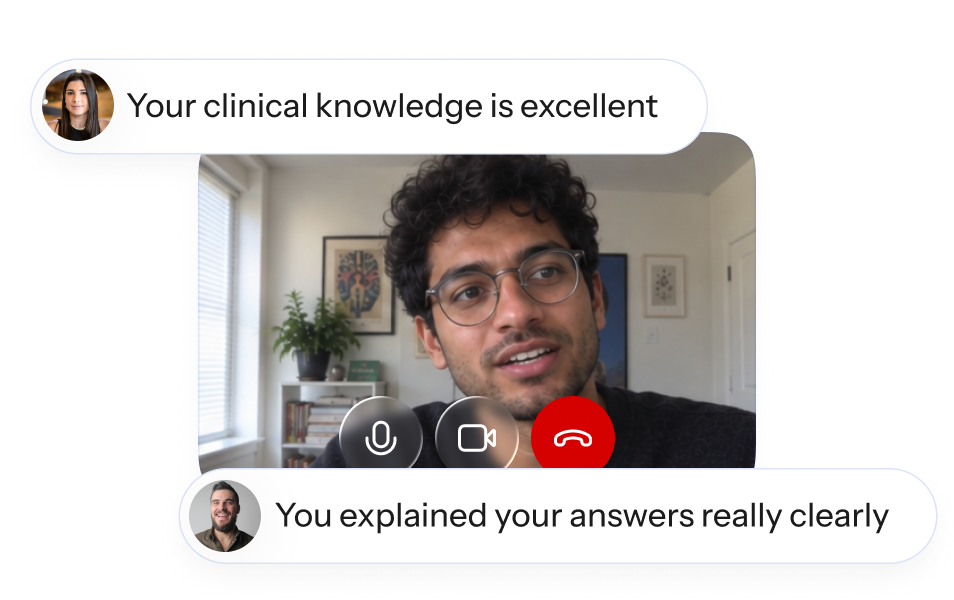
Submit your recorded mocks to candidates across the platform and get honest, varied feedback. Reviewing other people's mocks teaches you just as much.

The question bank, and other candidates to practise with, all in one platform.

Revision Platform: Plastic, Reconstructive and Aesthetic Surgery • €170

Gain access to 50 scenarios and over 210 model-answered questions across all five scored stations, and collaborate with other candidates through Study Groups, Live Mocks and Peer Feedback.
Get instant access
Part 1 • See the questions

The Medibuddy Plastic, Reconstructive and Aesthetic Surgery Question Bank

The interview is marked station by station, with each panel member scoring you independently, so every point has to land, and knowing how to structure each answer is essential. That's why each of our 50 scenarios comes with a model answer, written to the RCSI selection criteria and Irish practice, so you know exactly how to approach every question the panel throws your way.
What's inside

What's included in the Plastic, Reconstructive and Aesthetic Surgery Question Bank

There's nothing worse than getting to the interview and being handed a scenario you've never seen before. The panel scores you across five stations, from quality and safety to decision making in surgery, so the safest approach is to revise across all of them. We provide scenarios for every station, covering the common presentations and the less common ones, so you don't get caught out.

Quality and Safety in surgical healthcare

10 scenarios and 59 questions. Patient safety and governance in plastic surgery: the WHO Surgical Safety Checklist and site marking for skin cancer excision, wrong-lesion excision, free flap monitoring, burns fluid resuscitation errors, missed hand injuries, VTE and infection prevention, and auditing incomplete excision rates.

Commitment to academic advancement and lifelong learning

10 scenarios and 30 questions. Critical appraisal of trials, reviews and observational studies, research versus audit, setting up a trial in Ireland, teaching, and talking through your own academic portfolio, including why RCSI gives additional marks for publication in a plastics journal.

Knowledge of current issues relevant to surgical practice

10 scenarios and 31 questions. Irish plastic surgery service knowledge: the burden of skin cancer and the National Skin Cancer Prevention Plan 2023-2026, waiting lists and the NTPF, burns and hand trauma services, access to breast reconstruction, cosmetic surgery regulation and cosmetic tourism, workforce, sustainability and new technology.

Decision Making in Surgery

10 scenarios and 58 questions. Clinical scenarios where you are the plastic surgery registrar on call: assess, decide, consent and escalate to your consultant. Covers free flap compromise, major burns, flexor tendon injuries, thumb amputation and replantation, hand infections, necrotising soft tissue infection, compartment syndrome, open lower limb fractures, melanoma and theatre prioritisation.

Professionalism and Probity in Surgical Practice

10 scenarios and 35 questions. Scenario-led questions on honesty and integrity: consent for procedures you have not seen, a missed injury, aesthetic advertising on social media, industry sponsorship, clinical photographs, body dysmorphic disorder, a request to change an operation note, and patients who decline surgery.
Reflecting how the Plastic, Reconstructive and Aesthetic Surgery interview is really assessed
Our scenarios and model answers are written to the current RCSI interview structure, across all five scored stations.
Try it

Try an example Plastic, Reconstructive and Aesthetic Surgery question

You are the plastic surgery registrar on call. At 11 pm the ward nurse calls about a 48-year-old woman who had an immediate left breast reconstruction with a free DIEP flap this afternoon. On the hourly flap observations, the skin paddle has become purple and swollen over the last hour. Her blood pressure is 105/65 mmHg, pulse 98, and the left breast feels tense. She is otherwise comfortable.

How would you approach this?

Question
How would you assess this flap?
Example answer
Any change in a free flap needs a bedside review now, not advice over the phone.
  • History: the operation note, including recipient vessels used, number of veins anastomosed and any intraoperative concerns.
  • Onset and trend of the observations over the last hour.
  • Drain output, fluid balance and anticoagulation given postoperatively.
  • Examination of colour: purple or blue suggests venous congestion; pale or white suggests arterial insufficiency.
  • Capillary refill: brisk, under 1 to 2 seconds, in venous congestion; slow or absent in arterial failure.
  • Turgor: tense and swollen in venous congestion; soft and flat in arterial failure.
  • Pinprick with a 25G needle: rapid dark blood in venous congestion; little or no bleeding in arterial failure.
  • Handheld or implantable Doppler signal at the marked perforator site.
  • Left breast swelling and drain output, looking for a haematoma compressing the pedicle.
  • Investigations: FBC, coagulation and group and save, without delaying theatre.
Question
Your assessment suggests venous congestion with a possible haematoma. What do you do immediately on the ward?
Example answer
These are holding measures while theatre is arranged, not a reason to wait.
  • Escalate: call the consultant now; inform the theatre coordinator and the anaesthetist that this is an emergency return to theatre; keep her nil by mouth from this moment.
  • Relieve compression: loosen or remove tight dressings, the support bra and any sutures under tension; check her position so nothing presses on the pedicle.
  • Support flap perfusion: IV fluids to correct any hypovolaemia; avoid vasoconstrictors where possible.
  • Keep her warm and well analgesed.
  • Prepare: crossmatch, given the possible haematoma; check when her last dose of prophylactic low molecular weight heparin was given; repeat flap observations every 15 minutes and document times precisely.
Question
When do you decide to take her back to theatre?
Example answer
In a free flap, clinical signs of compromise are an indication to re-explore, and the decision should be made quickly with the consultant.
  • Indications: clinical venous congestion or arterial insufficiency, even if a Doppler signal is still detectable; a haematoma compressing the pedicle, which needs evacuation; loss of or significant change in the Doppler signal; no improvement once dressings and positioning are corrected within 15 to 30 minutes.
  • Timing: salvage rates are highest when re-exploration happens within the first few hours of the change; do not wait overnight to see if it settles.
  • Decision: agree the plan with the consultant, who should come in; consent her for re-exploration, evacuation of haematoma, revision of the anastomosis and the possibility of flap loss; complete the WHO Surgical Safety Checklist before incision.
Question
In theatre you find a haematoma and a thrombosed venous anastomosis. How is this managed?
Example answer
The aim is to remove the cause and restore venous outflow, with the consultant leading the microsurgery.
  • Haematoma: evacuate, wash out and control the bleeding point; check the pedicle carefully for kinking, twisting or external compression.
  • Venous thrombosis: take down the venous anastomosis and remove the thrombus; heparinised saline flush, using a Fogarty catheter if needed; redo the anastomosis, using a vein graft if the vein segment is damaged or too short; add a second outflow via the superficial inferior epigastric vein if outflow remains poor.
  • Inflow: confirm good arterial inflow by back-bleeding and flow through the flap.
  • Adjuncts: a systemic heparin bolus, agreed with the anaesthetist; intraflap thrombolysis, for example alteplase, if clot persists in the flap.
  • Before closing: pink colour, bleeding from the flap edge and a good Doppler signal.
Question
After re-exploration, how would you monitor and manage her over the next 48 hours?
Example answer
The risk of rethrombosis is highest early, so monitoring intensity and the threshold to escalate both increase.
  • Monitoring: flap observations every 30 minutes for the first few hours, then hourly to 48 hours, covering colour, capillary refill, turgor, temperature and Doppler.
  • Clear written triggers so the nurse calls me immediately if any parameter changes.
  • Systemic care: keep her warm, well filled and pain free, with urine output above 0.5 mL/kg/hour.
  • Avoid hypotension; discuss any vasopressor with the anaesthetist and consultant.
  • Recheck haemoglobin after the haematoma.
  • Anticoagulation: restart LMWH prophylaxis, and agree any additional heparin with the consultant, balancing rethrombosis risk against rebleeding.
  • Persistent congestion: medicinal leeches can help if the anastomosis is patent but the flap stays congested, with ciprofloxacin cover for Aeromonas and regular haemoglobin monitoring.
Question
Despite this, the flap is clearly necrotic at 72 hours. How would you manage it?
Example answer
Once the flap is dead, the priorities are to remove it safely, control the wound and plan reconstruction for a later date.
  • Confirm: consultant review to determine whether loss is total or partial before returning to theatre.
  • Surgery: return to theatre to debride dead tissue; total loss means removing the flap entirely.
  • Close the wound primarily or use temporary cover such as a wound vacuum device, preserving the mastectomy skin envelope where possible.
  • Wider care: monitor for sepsis and treat any wound infection promptly; liaise with the breast surgeons and oncology team to ensure adjuvant treatment is not delayed.
  • Later reconstruction options: tissue expander followed by implant; pedicled latissimus dorsi flap, with or without an implant; a second free flap, for example an anterior lateral thigh or TRAM flap; no further reconstruction, if she prefers after full discussion.
  • Support: involve the breast care nurse specialist and offer psychological support from the outset.

That's one scenario. There are 49 more.

Revision Platform: Plastic, Reconstructive and Aesthetic Surgery • €170

Includes every scenario in the Question Bank, and access to Study Groups, Live Mocks with other candidates and Peer Feedback.
Get instant access
New for 2027

Built around the current interview structure

The Plastic, Reconstructive and Aesthetic Surgery interview changes from year to year, and the biggest fear for any candidate is getting to interview day and realising you've revised with a question bank that doesn't match the format.

That's why this Question Bank is new for the 2027 interviews, built from the start around the current published RCSI interview structure and anchored to Irish practice, guidelines and law.

Our scenarios and model answers are aligned with the current interview structure, across all five scored stations, so you practise with the format the panel is using now.
New for 2027 interviews
Part 2 • Practise them live

The only interview resource where you can practise live with other candidates from across the country

Our Plastic, Reconstructive and Aesthetic Surgery Question Bank tells you exactly how to answer real interview scenarios. But how you practise with them will determine how many marks you score. Simply reading answers off a screen won't prepare you for the intense scrutiny you'll face in the interview. And only practising with the same few colleagues or friends limits the amount of feedback you'll get. Medibuddy gives you unique access to Plastic, Reconstructive and Aesthetic Surgery candidates across the country, so you can learn from a variety of perspectives and hear a far wider range of feedback than your own circle could ever give you.
Study Groups
When you prepare in isolation, you're relying on your own interpretation of the interview process, which is one of the quickest ways to get found out on the day. Study Groups connect you with other doctors across the country who are also applying for Higher Surgical Training in Plastic, Reconstructive and Aesthetic Surgery, so you can engage and network with people preparing for the same interview as you. Everyone brings different experience from different hospitals, meaning you won't ever miss out on the key bits of information that could swing the interview in your favour.
Live MocksBeta
Candidates who don't take part in mocks often struggle to adapt to the pressure of the interview. Your knowledge might be correct, but without convincing delivery the interviewers will score you poorly. The best way to improve your delivery is to take part in as many live mocks as possible, which is why we haven't put a cap on how many you can do. We also know how difficult it can be to organise mocks with other people, so all you have to do is join the waiting room and we'll match you with a different Plastic, Reconstructive and Aesthetic Surgery candidate each time. Take turns as both the interviewer and candidate on real Question Bank scenarios, so you can see exactly how other candidates perform in real time, while refining your own interview technique.
Peer FeedbackBeta
Preparing alone means you won't know how you're coming across during the interview. And preparing with the same few candidates means you'll miss opportunities to improve, which is why it's so important to get as many opinions as possible on your performance. With Medibuddy, you can record a mock and submit it for feedback from other candidates on the platform, so you receive a wider range of feedback and refine your answers with each person you practise with. Reviewing other people's mocks is just as valuable, as it shows you how strong candidates handle the same scenarios, which is one of the fastest ways to improve.
The interview

What to expect from the Plastic, Reconstructive and Aesthetic Surgery interview

Higher Surgical Training in Plastic, Reconstructive and Aesthetic Surgery is run by RCSI under the Irish Surgical Postgraduate Training Committee: a six-year Specialist Registrar programme that follows Core Surgical Training. RCSI gives an indicative appointable range of 3 to 5 plastic surgery posts for 2027. Interviews run in the week commencing 15 March 2027, with plastic surgery listed for Thursday 18 March 2027, subject to confirmation, and training starts on 12 July 2027.

Station

Quality and Safety in surgical healthcare

Worth 100 marks on the Pathway and 80 on the Equivalent Standards Route (ESR). Patient safety, governance and quality improvement in plastic surgery practice. Be ready to work through a safety scenario, say what you would do, and explain how the unit should learn from it.
Station

Commitment to academic advancement and lifelong learning

Worth 40 marks on the Pathway and 80 on the ESR. Expect questions on your research, audit and teaching, and on critical appraisal. Pathway candidates also carry a separate 40-mark academic score assessed before interview, and RCSI awards additional marks for publication in a plastics journal.
Station

Knowledge of current issues relevant to surgical practice

Worth 100 marks on the Pathway and 80 on the ESR. The panel tests your knowledge of the Irish health service and plastic surgery within it. Skin cancer is the most common cancer in Ireland, with an average of 12,668 cases a year in 2018 to 2020, so be ready to discuss skin cancer, burns, breast reconstruction, waiting lists and workforce.
Station

Decision Making in Surgery

Worth 120 marks on the Pathway and 80 on the ESR, and a mandatory pass station: you need at least 60 per cent, and failing it makes you not appointable whatever your other scores. Both the higher weighting and the pass rule are new for 2027. As the on-call plastic surgery registrar, show a safe, structured approach and clear escalation to your consultant.
Station

Professionalism and Probity in Surgical Practice

Worth 100 marks on the Pathway and 80 on the ESR. Probity means honesty and integrity, not only conduct. Show that you know the Medical Council Guide, the HSE National Consent Policy, the Assisted Decision-Making (Capacity) Act 2015 and open disclosure, and that you would act on them under pressure.

How the interview is scored

Two or three panel members score each station out of 100 independently, and the scores are weighted to the station marks and averaged. On the Pathway the interview is worth 460 marks (100, 40, 100, 120 and 100), and on the ESR it is worth 400 (80 per station). You need at least 60 per cent of the interview overall, and at least 60 per cent in Decision Making in Surgery. Our model answers are structured against these stations, so you know what a strong, well-organised answer looks like in each one.
Get ready

How to prepare for the Plastic, Reconstructive and Aesthetic Surgery interview

Start with the Question Bank

Work through 50 scenarios across all five scored stations, each with a model answer. Start by reading how a strong answer is formed, then think about how you'd deliver it.

Talk the hard ones through in Study Groups

Study Groups are your biggest opportunity to network and connect with other candidates sitting the same interview as you. Everyone on the platform is in the same boat, so don't be scared to get involved and ask questions. Someone in your study group might just help you work through a scenario you've been struggling with.

Rehearse out loud in Live Mocks

Live mocks are where you begin to put everything you've learned into practice, and we know from experience that those who practise with a wide range of candidates usually do the best. Organise mocks with people from one of your study groups, or get matched with a random Plastic, Reconstructive and Aesthetic Surgery candidate, then take turns as interviewer and candidate using real scenarios until answering out loud under pressure feels normal.

Get reviewed with Peer Feedback before the day

Once you've recorded a mock, you can have other community members review it. This lets you see how you come across to other people, and gives you time to refine your delivery as you revise, rather than being caught out on the day. Reviewing other people's mocks is just as crucial, as you see how other candidates navigate the same scenarios.
Questions

Frequently asked questions

What does the Plastic, Reconstructive and Aesthetic Surgery interview involve?
Five scored stations, each marked independently by two or three panel members: Quality and Safety in surgical healthcare (100 marks on the Pathway), Commitment to academic advancement and lifelong learning (40), Knowledge of current issues relevant to surgical practice (100), Decision Making in Surgery (120) and Professionalism and Probity in Surgical Practice (100). On the ESR every station is worth 80. Decision Making in Surgery is a mandatory pass station at 60 per cent. Our scenarios and model answers cover all five stations.
How competitive is the Plastic, Reconstructive and Aesthetic Surgery interview?
Highly competitive. RCSI's indicative appointable range for plastic surgery in 2027 is just 3 to 5 posts, and from 2027 you must pass Decision Making in Surgery as well as reach 60 per cent of the interview overall, which is why a structured, well-rehearsed approach matters.
Who writes the model answers?
Written by our team of medical writers and reviewed against the current RCSI selection criteria and Irish guidance.
Can I practise with other candidates?
Yes. Every Revision Platform purchase gives you the opportunity to connect with other candidates through Study Groups, Live Mocks and Peer Feedback.
How do the Live Mocks work?
All you have to do is join the waiting room, and we match you with another Plastic, Reconstructive and Aesthetic Surgery candidate. You then take turns as interviewer and candidate on real Question Bank scenarios, so you gain experience answering out loud to a real person before you ever sit in front of the panel.
What are Study Groups and how do they help?
Study Groups are community forums for doctors across the country preparing for the same Plastic, Reconstructive and Aesthetic Surgery interview. You can ask questions, share what you're struggling with, and compare how you'd approach a scenario.
Can I get feedback on my interview performance?
Yes. After you've recorded a mock, you can ask other members to review it, so you can see which part of your answer needs fine-tuning.
How long do I get access for?
Access runs for 12 months from the purchase date.

Start preparing for the Plastic, Reconstructive and Aesthetic Surgery interview

The Revision Platform gives you 50 scenarios and over 210 model-answered questions to practise and refine with other candidates through Study Groups, Live Mocks and Peer Feedback.

Revision Platform: Plastic, Reconstructive and Aesthetic Surgery • €170

Buy Now