Radiation Oncology HST • Ireland

The 2027 Radiation Oncology HST Interview Revision Platform: Question Bank, Live Practice and Mocks with Other Candidates

The Medibuddy Radiation Oncology HST Question Bank includes 41 scenarios and over 120 model-answered questions across all three scored categories, each with a model answer written to the Faculty of Radiologists and Radiation Oncologists' selection criteria and Irish practice.

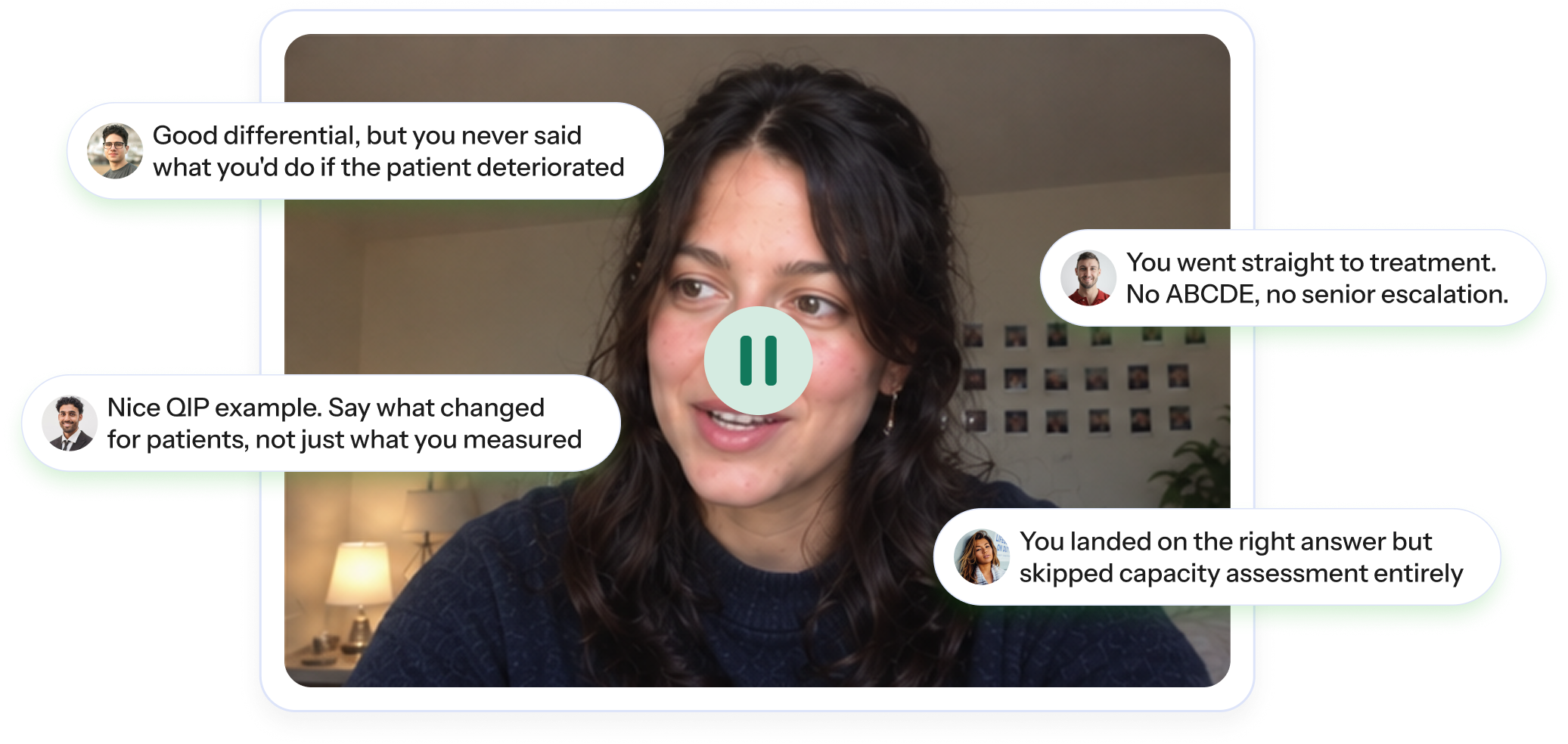
However, knowing a strong answer isn't the same as delivering it well under pressure, which is why we provide:

Preparing doctors for interviews for 10 years

Medibuddy has been helping doctors prepare for competitive interviews for 10 years. The Radiation Oncology HST Question Bank is new for the 2027 interviews, built from the ground up around the three categories the Faculty publishes for this interview.

Always up to date

Did you know the interviews change from year to year? For the July 2027 intake, the Faculty of Radiologists and Radiation Oncologists scores the interview out of 60 under three published headings. That's why every Question Bank on the platform is built around the latest published interview structure, so you know you're always practising with scenarios that reflect how the interview is scored now.

Network and practise real interview scenarios with other candidates

Question Bank

See every scenario, and how to answer it well

41 scenarios across all three scored categories, which tell you exactly how to respond to each question.
Study Groups

Connect with candidates across the country
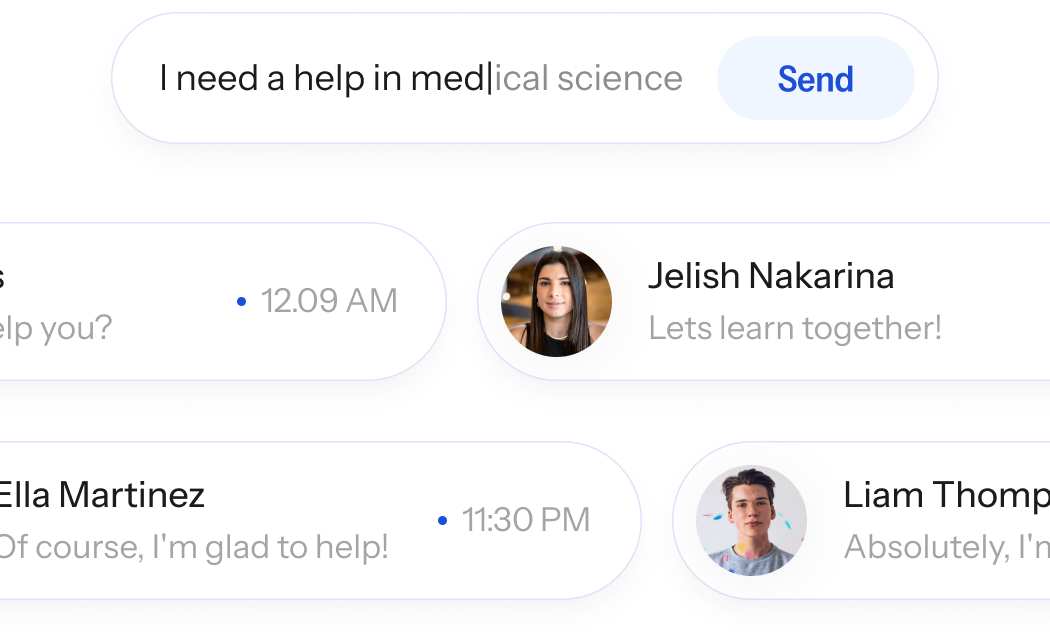
Most people only ever practise with one or two friends. Study Groups connect you with candidates right across the country sitting the same Radiation Oncology HST interview.
Live MocksBeta

Practise interview technique with different candidates
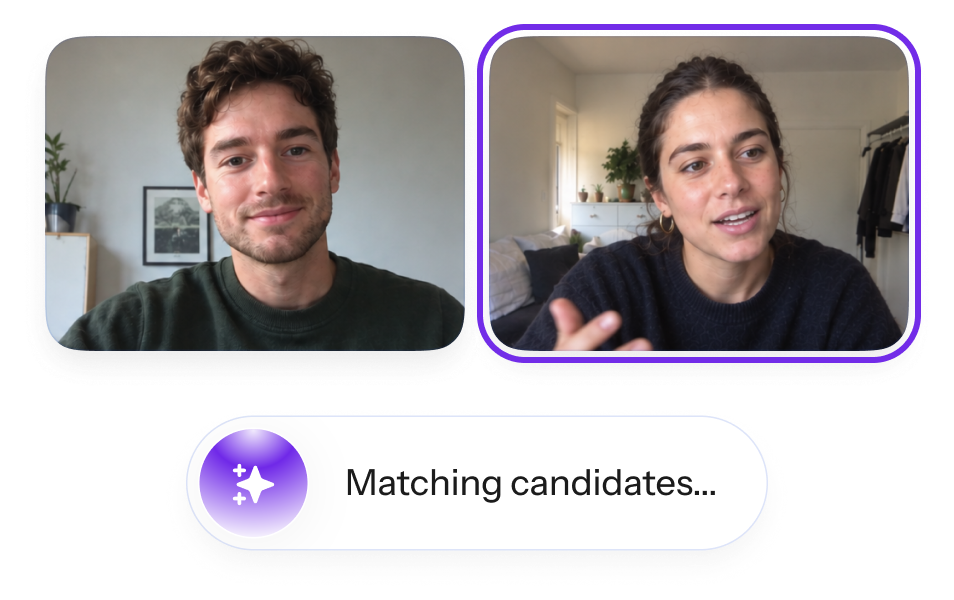
Arrange or get matched on demand with other candidates and run real scenarios out loud under interview conditions. Those who practise with the widest range of people tend to score the highest.
Peer FeedbackBeta

Reviewed by candidates across the platform
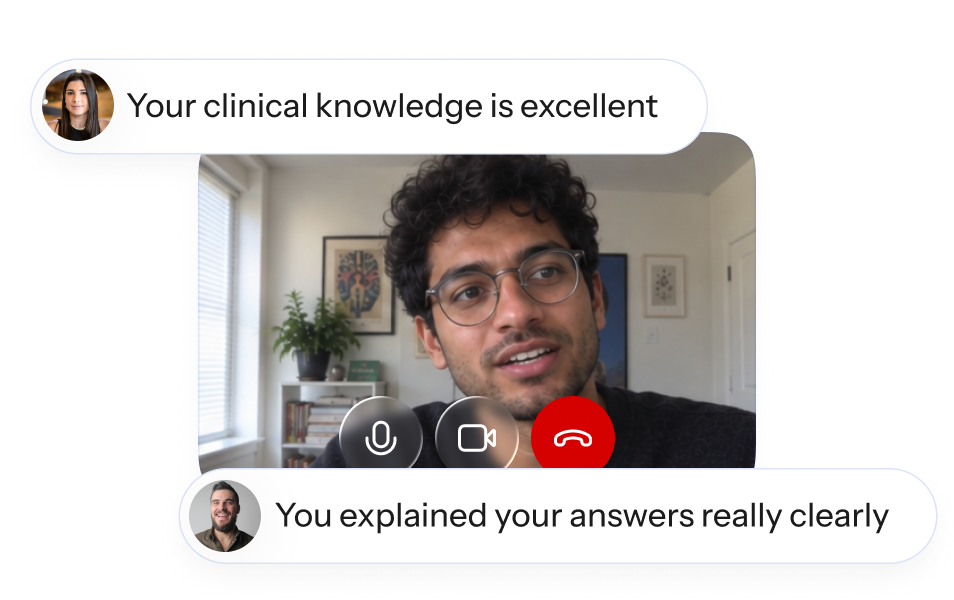
Submit your recorded mocks to candidates across the platform and get honest, varied feedback. Reviewing other people's mocks teaches you just as much.

The question bank, and other candidates to practise with, all in one platform.

Radiation Oncology HST Revision Platform • €170

Gain access to 41 scenarios across all three scored categories, and collaborate with other candidates through Study Groups, Live Mocks and Peer Feedback.
Get instant access
Part 1 • See the questions

The Medibuddy Radiation Oncology HST Question Bank

The Radiation Oncology HST interview is scored under three published headings, so every point has to land, and knowing how to structure each answer is essential. That's why each of our 41 scenarios comes with a model answer, written to the Faculty of Radiologists and Radiation Oncologists' selection criteria and Irish practice, so you know exactly how to approach every question the interviewers throw your way.
What's inside

What's included in the Radiation Oncology HST Question Bank

There's nothing worse than getting to the interview and being asked about something you've never prepared for. The Faculty scores the Radiation Oncology interview under three published headings, and the largest, Experience and Suitability for a Career in Radiation Oncology, is worth 40 of the 60 interview marks. We provide scenarios for every heading, from your exposure to oncology and your career plan to professionalism and behaviour scenarios, so you don't get caught out.

Experience and Suitability for a Career in Radiation Oncology

Your motivation and your experience and exposure to oncology and radiation oncology, plus your understanding of Irish radiotherapy services: the three training centres, the National Plan for Radiation Oncology, the 15-working-day waiting time KPI, linac replacement, SABR and proton therapy abroad.

Career Trajectory

Your research, audit, teaching and exams, the route from your SHO posts into radiation oncology, and a realistic five- and ten-year plan, with model answers that link your achievements to the programme.

General/ Behaviours

Professionalism scenarios set in a radiotherapy department: consent, capacity, open disclosure and incident reporting, teamwork with radiation therapists and physicists, raising concerns, and your management experience.
Reflecting how Radiation Oncology HST is really assessed
Our scenarios and model answers follow the three interview headings and marks in the Faculty's Standardised Selection Process for the July 2027 intake, anchored to Irish radiotherapy services, regulation and law.
Try it

Try an example Radiation Oncology HST question

You are a first-year Radiation Oncology Specialist Registrar. A radiation therapist pulls you aside between patients on the treatment unit and tells you that a patient receiving a radical course of radiotherapy for prostate cancer has been treated to the wrong isocentre for the past two fractions. The plan was approved and checked, but a positioning error went undetected. You are the most senior doctor immediately available; your consultant is in clinic on a different floor.

How would you approach this?

Question
What do you do right now?
Example answer
The immediate priority is to stop any further treatment, get the right people involved fast, and make sure the patient is safe.
  • Stop the patient's treatment immediately; no further fractions until the situation is assessed.
  • Contact your consultant now, even if it means interrupting clinic.
  • The patient must be told something has happened and that further treatment is paused pending review; they should not be left waiting without explanation.
  • Ask the radiation therapists to secure all records, imaging, and treatment files from both fractions.
  • Involve the treating physics team to calculate the actual dose delivered to the wrong area and the under-dose to the target.
  • Do not speculate about harm before the dosimetric review is done.
  • Document your actions with times.
The very first thing is to stop. No third fraction goes ahead until we know what has happened. I'd tell the radiation therapists clearly that treatment is paused and ask them to flag the machine. Then I'd ring my consultant straight away, not by message, by phone, and I'd go to them if I had to. While I'm waiting for them, I'd ask the radiation therapists to pull together everything: the images, the treatment records, the shift log for both fractions, and lock it all down so nothing gets altered. I'd also ask the physics team to get started on a dosimetric review as soon as possible, because until we know what dose went where, I don't know what the clinical consequences are. I wouldn't try to guess that on my own. And I'd go and sit with the patient, tell them that a concern has been raised about their last two treatments, that we've paused things to check, and that I'll come back to them as soon as I know more. I wouldn't over-explain or alarm them before I have facts.
Question
The dosimetric review confirms that two fractions, about five per cent of the total prescribed dose, were delivered to the wrong volume. How does this need to be reported, and to whom?
Example answer
A confirmed unintended exposure of this scale triggers specific regulatory and internal reporting obligations.
  • Under S.I. No. 256 of 2018, a significant radiotherapy event is defined as a dose or volume variation of 10 per cent or more from the prescribed course; two fractions at roughly five per cent may not cross that threshold depending on the full course length and what volume was affected, but the consultant and physics team need to make that determination.
  • Even if it does not meet the HIQA notification threshold, it must be reported internally on NIMS and reviewed at the departmental clinical governance meeting.
  • If it does meet the HIQA threshold, the centre must notify HIQA within three working days.
  • The patient safety incident triggers open disclosure under HSE policy and the Medical Council Guide (9th edition, paragraph 4); the patient must be told what happened, what is known, and what will be done.
  • The Patient Safety (Notifiable Incidents and Open Disclosure) Act 2023 Schedule 1 covers death-based incidents; unless the patient dies as a result, this is not notifiable under that Act.
  • The treating consultant leads the disclosure conversation; your role is to support that.
The first question for my consultant and the physics team is whether this meets the HIQA threshold under S.I. No. 256 of 2018. A significant event is defined as a ten per cent or greater variation in dose or volume across the prescribed course, so two fractions out of, say, thirty-seven might not reach that, but it depends on exactly what was irradiated and what dose the wrong area received. That is a clinical and dosimetric judgement for the consultant and physics, not one I'd make myself. Regardless of the percentage, this goes on NIMS and to the departmental governance meeting. If the threshold is met, the centre notifies HIQA within three working days. Either way, the patient has to be told. Open disclosure isn't optional: it's in HSE policy and the Medical Council Guide. I'd expect my consultant to lead that conversation, and I'd support them. The Patient Safety Act 2023 is different, that is about deaths, so it doesn't apply here unless the outcome changes.
Question
You sit in on the disclosure conversation with the patient and they become very upset and ask whether the wrong treatment has given them cancer in the area that was wrongly irradiated. How do you handle this?
Example answer
Answer honestly within the limits of current knowledge, do not over-reassure, and make sure the patient knows what the follow-up plan is.
  • Acknowledge the question fully; do not deflect or minimise their distress.
  • Be honest: radiation-induced secondary malignancy is a known long-term risk of radiotherapy, but the absolute risk from two fractions at a low dose to a normal volume is very small.
  • Do not give a specific risk figure you cannot stand behind; if you do not know, say so and commit to finding out.
  • The Medical Council Guide (para 4) requires honesty about uncertainty as well as facts.
  • Explain what monitoring or follow-up will be arranged.
  • Offer written information and the chance to come back with questions or a family member.
  • The patient is entitled to all the information they need to make decisions about ongoing treatment (Medical Council Guide, 9th edition, para 15).
I would not try to talk them out of the question. It is a fair one. I'd acknowledge that they're frightened and that this has been a shock, and I'd be honest with them. Radiation-induced secondary cancers are a real long-term risk of radiotherapy, but the absolute risk from two fractions, at what looks like a relatively low dose, is very small, and we would need to monitor for it over time. I wouldn't give them a number I couldn't stand behind. If there's a specific figure from dosimetry I can access, I'd get it and come back to them. I'd also make sure they know that the rest of their treatment is being reviewed, that we know exactly what has happened, and that there will be a clear follow-up plan. I'd offer them something in writing, suggest they bring someone with them for a longer conversation, and make sure they have a contact number so they can come back to us. I wouldn't rush them out of the room.
Question
What system changes would you advocate for to prevent this happening again?
Example answer
Focus on the system rather than individuals, and suggest realistic interventions grounded in how radiotherapy delivery actually works.
  • The error occurred despite plan approval and physics checks, so the failure was in the delivery verification process, not the planning chain.
  • Advocate for consistent use of image-guided radiotherapy protocols with defined action thresholds, and clear escalation pathways when images are borderline.
  • Suggest a structured debrief with the radiation therapy team to understand exactly how the positioning error was missed; use this as a learning event, not a blame exercise.
  • Bring the case to the departmental clinical governance meeting and propose an audit of image-guided verification records across similar patients.
  • Consider whether staffing levels, workload, or time pressure on the treatment unit contributed; flag this to the clinical director if so.
  • Record the event on NIMS; all significant events should be reviewed and trended, not treated in isolation.
  • Recommend that the learning from this case be shared at multidisciplinary level, including with the radiation therapy team and junior medical staff, without identifying the patient.
The first thing I'd want is a proper debrief with the radiation therapists involved, not to find out who to blame, but to understand exactly what happened at the delivery stage. The plan was approved and physics had signed off, so something went wrong in the positioning and verification on the day. I'd want to look at whether the image-guided protocol was followed, what the images showed, and whether there was any uncertainty about the match that wasn't escalated. Then I'd bring the full case to our governance meeting and suggest an audit of image verification records for similar patients to see if this is a one-off or part of a pattern. If there's any suggestion that workload or time pressure on the unit was a factor, that needs to go to the clinical director, because you can't solve a staffing problem with a checklist. More broadly, I'd want the learning shared at a departmental teaching session, so everyone understands what happened without identifying anyone. Good incident reporting on NIMS means we can spot trends, and that's only useful if people feel safe to report in the first place.

That's one scenario. There are 40 more.

Radiation Oncology HST Revision Platform • €170

Includes every scenario in the Question Bank, and access to Study Groups, Live Mocks with other candidates and Peer Feedback.
Get instant access
Actively maintained

How we keep our Question Banks up to date

The Radiation Oncology HST Question Bank is new for the 2027 interviews. It was built from the ground up for the July 2027 intake, around the Faculty's current Standardised Selection Process and its three scored interview headings.

Every scenario and model answer is anchored to Irish radiotherapy services, regulation and law, from the NCCP waiting time KPI and HIQA significant event notification to open disclosure, the Patient Safety Act 2023 and the Assisted Decision-Making (Capacity) Act 2015, so you're revising with content that reflects how the interview is run now.

Our scenarios and model answers follow the current interview structure, across Experience and Suitability for a Career in Radiation Oncology, Career Trajectory, and General/ Behaviours, so you always practise with the format the panel is using now.
New for 2027 interviews
Part 2 • Practise them live

The only interview resource where you can practise live with other candidates from across the country

Our Radiation Oncology HST Question Bank tells you exactly how to answer real interview scenarios. But how you practise with them will determine how many marks you score. Simply reading answers off a screen won't prepare you for the intense scrutiny you'll face in the interview. And only practising with the same few colleagues or friends limits the amount of feedback you'll get. Medibuddy gives you unique access to Radiation Oncology HST candidates across the country, so you can learn from a variety of perspectives and hear a far wider range of feedback than your own circle could ever give you.
Study Groups
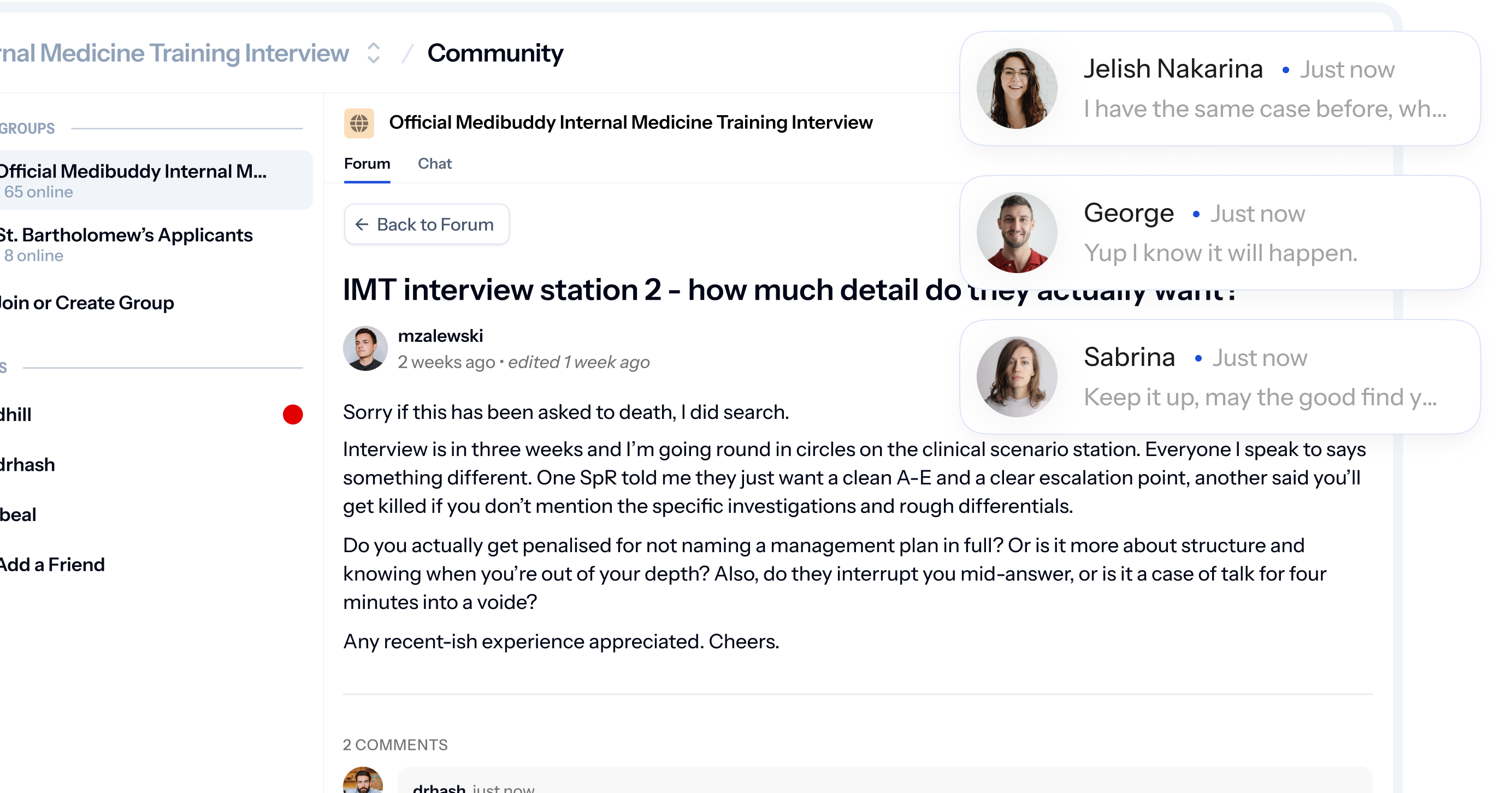
When you prepare in isolation, you're relying on your own interpretation of the interview process, which is one of the quickest ways to get found out on the day. Study Groups connect you with other doctors across the country who are also applying to Radiation Oncology HST, so you can engage and network with people preparing for the same interview as you. Everyone brings different experience from different hospitals, meaning you won't ever miss out on the key bits of information that could swing the interview in your favour.
Live MocksBeta
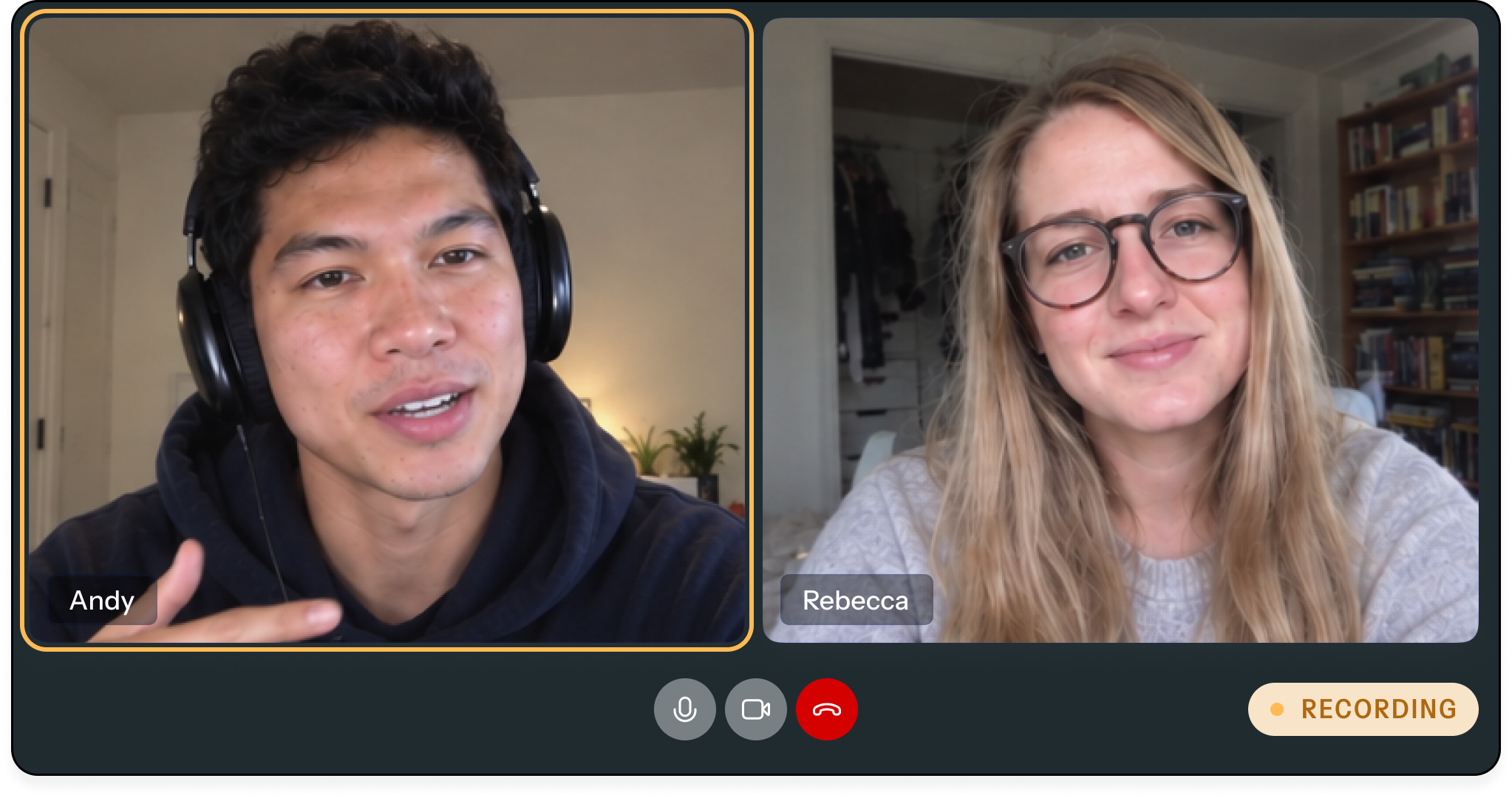
Candidates who don't take part in mocks often struggle to adapt to the pressure of the interview. Your knowledge might be correct, but without convincing delivery the interviewers will score you poorly. The best way to improve your delivery is to take part in as many live mocks as possible, which is why we haven't put a cap on how many you can do. We also know how difficult it can be to organise mocks with other people, so all you have to do is join the waiting room and we'll match you with a different Radiation Oncology HST candidate each time. Take turns as both the interviewer and candidate on real Question Bank scenarios, so you can see exactly how other candidates perform in real time, while refining your own interview technique.
Peer FeedbackBeta
Preparing alone means you won't know how you're coming across during the interview. And preparing with the same few candidates means you'll miss opportunities to improve, which is why it's so important to get as many opinions as possible on your performance. With Medibuddy, you can record a mock and submit it for feedback from other candidates on the platform, so you receive a wider range of feedback and refine your answers with each person you practise with. Reviewing other people's mocks is just as valuable, as it shows you how strong candidates handle the same scenarios, which is one of the fastest ways to improve.
The interview

What to expect from the Radiation Oncology HST interview

Higher Specialist Training in Radiation Oncology is run by the Faculty of Radiologists and Radiation Oncologists, RCSI. It is a five-year Specialist Registrar programme rotating across Cork University Hospital, University Hospital Galway and St Luke's Radiation Oncology Network in Dublin, and the Faculty says typically about 3 to 5 trainees are appointed. The interview for the July 2027 intake is held in person at the end of November, and it is worth 60 of the 100 selection marks; the other 40 come from shortlisting.

Category

Experience and Suitability for a Career in Radiation Oncology

40 of the 60 interview marks. The Faculty's published scope covers your experience and exposure to oncology and radiation oncology, and your suitability for a career in the specialty. Candidates may visit the three centres before interview, so be ready to say what you learnt.
Category

Career Trajectory

10 marks. Expect questions on your career so far and your research and educational achievements, and be ready to set out a realistic plan through the Primary and Final FFRRCSI to the CSCST.
Category

General/ Behaviours

10 marks. The Faculty doesn't define this heading further; its published scope includes management experience. Show how you behave as a professional: communicating clearly, working well in a team and acting safely and honestly when something goes wrong.

How the interview is scored

The interview is scored out of 60 under three published headings: Experience and Suitability for a Career in Radiation Oncology 40, Career Trajectory 10 and General/ Behaviours 10. It is added to your shortlisting score out of 40 (a minimum of 20 is needed to be called to interview) to give a final ranking out of 100, and your first-year site is allocated by rank and your written preference. The panel is the National Training Coordinator, the three Hospital Coordinators and a senior Faculty Officer. Our model answers are structured against each heading, so you know exactly what a strong, well-organised answer looks like.
Get ready

How to prepare for the Radiation Oncology HST interview

Start with the Question Bank

Work through 41 scenarios across all three scored categories, each with a model answer. Start by reading how a strong answer is formed, then think about how you'd deliver it.

Talk the hard ones through in Study Groups

Study Groups are your biggest opportunity to network and connect with other candidates sitting the same interview as you. Everyone on the platform is in the same boat, so don't be scared to get involved and ask questions. Someone in your study group might just help you work through a scenario you've been struggling with.

Rehearse out loud in Live Mocks

Live mocks are where you begin to put everything you've learned into practice, and we know from experience that those who practise with a wide range of candidates usually do the best. Organise mocks with people from one of your study groups, or get matched with a random Radiation Oncology HST candidate, then take turns as interviewer and candidate using real scenarios until answering out loud under pressure feels normal.

Get reviewed with Peer Feedback before the day

Once you've recorded a mock, you can have other community members review it. This lets you see how you come across to other people, and gives you time to refine your delivery as you revise, rather than being caught out on the day. Reviewing other people's mocks is just as crucial, as you see how other candidates navigate the same scenarios.
Questions

Frequently asked questions

What does the Radiation Oncology HST interview involve?
An in-person interview at the end of November, scored out of 60 under three headings: Experience and Suitability for a Career in Radiation Oncology (40), Career Trajectory (10) and General/ Behaviours (10). The panel is the National Training Coordinator, the three Hospital Coordinators and a senior Faculty Officer. The exact date, the number of stations and their length are not published. Our scenarios and model answers cover each heading so you know how to structure a strong response.
How competitive is the Radiation Oncology HST interview?
Competitive. The Faculty says typically about 3 to 5 trainees are appointed, and candidates are ranked on a combined score out of 100 from shortlisting and interview, so small margins at interview matter.
Who writes the model answers?
Written by our team of medical writers and reviewed against the current selection criteria and Irish guidance, so every answer reflects how the Radiation Oncology HST interview is scored now.
Can I practise with other candidates?
Yes. Every Revision Platform purchase gives you the opportunity to connect with other candidates through Study Groups, Live Mocks and Peer Feedback.
How do the Live Mocks work?
All you have to do is join the waiting room, and we match you with another Radiation Oncology HST candidate. You then take turns as interviewer and candidate on real Question Bank scenarios, so you gain experience answering out loud to a real person before you ever sit in front of the panel.
What are Study Groups and how do they help?
Study Groups are community forums for doctors across the country preparing for the same Radiation Oncology HST interview. You can ask questions, share what you're struggling with, and compare how you'd approach a scenario.
Can I get feedback on my interview performance?
Yes. After you've recorded a mock, you can ask other members to review it, so you can see which part of your answer needs fine-tuning.
How long do I get access for?
Access runs for 12 months from the purchase date.

Start preparing for the Radiation Oncology HST interview

The Revision Platform gives you 41 scenarios and over 120 model-answered questions to practise and refine with other candidates through Study Groups, Live Mocks and Peer Feedback.

Radiation Oncology HST Revision Platform • €170

Buy Now